


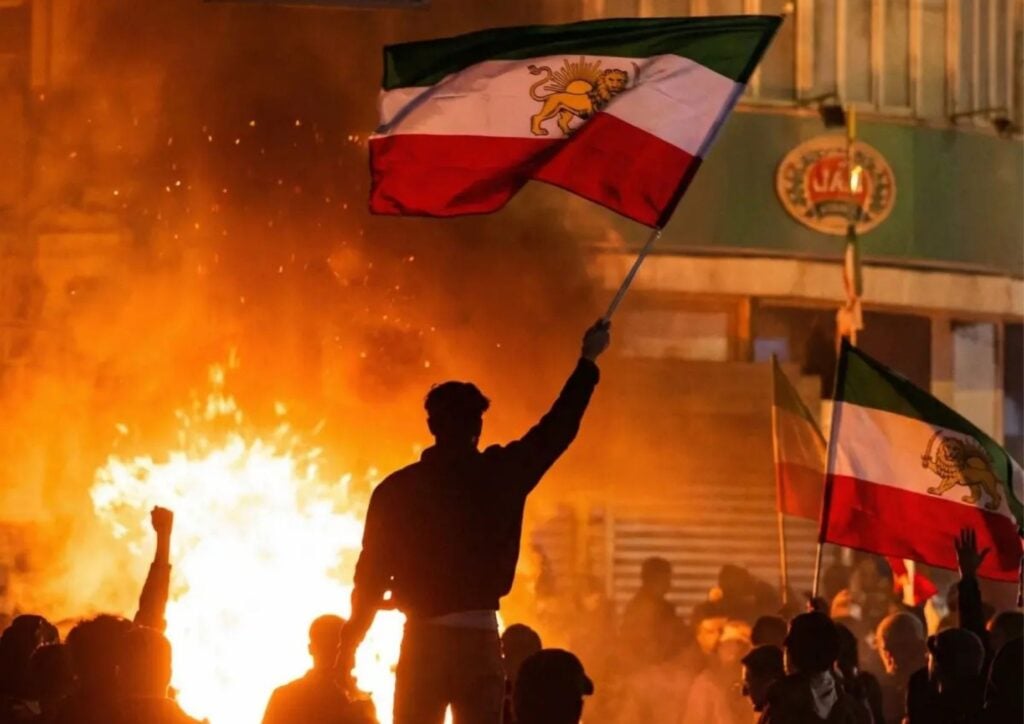
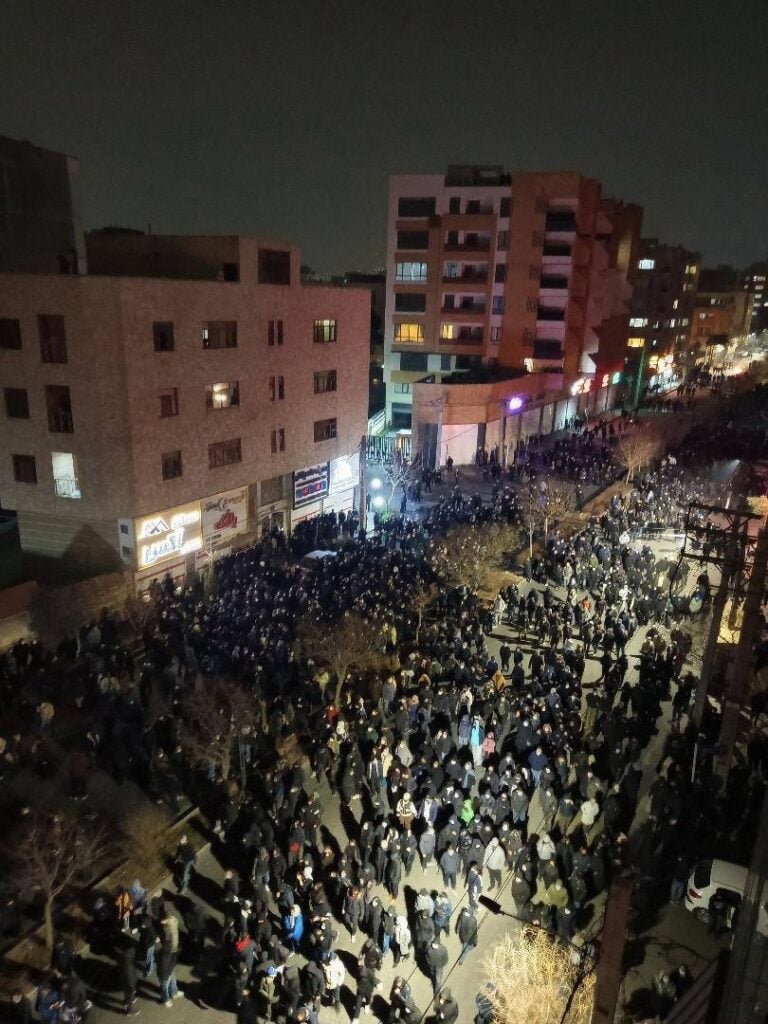
Escalating anxiety within Tehran’s ruling echelon over the eruption of a renewed nationwide protest wave has triggered an extraordinary security crackdown. Thousands of regime security forces, IRGC motorcycle units, and Basij militia fighters have deployed across the capital and key urban hubs in recent days, setting up roadblocks, stopping civilians, and searching mobile devices for “hostile” content. The sweeping deployment comes after students at Allameh Tabataba’i University in Tehran returned to the streets to protest compulsory hijab laws, skyrocketing living and tuition costs, and unrelenting political repression.

 2+
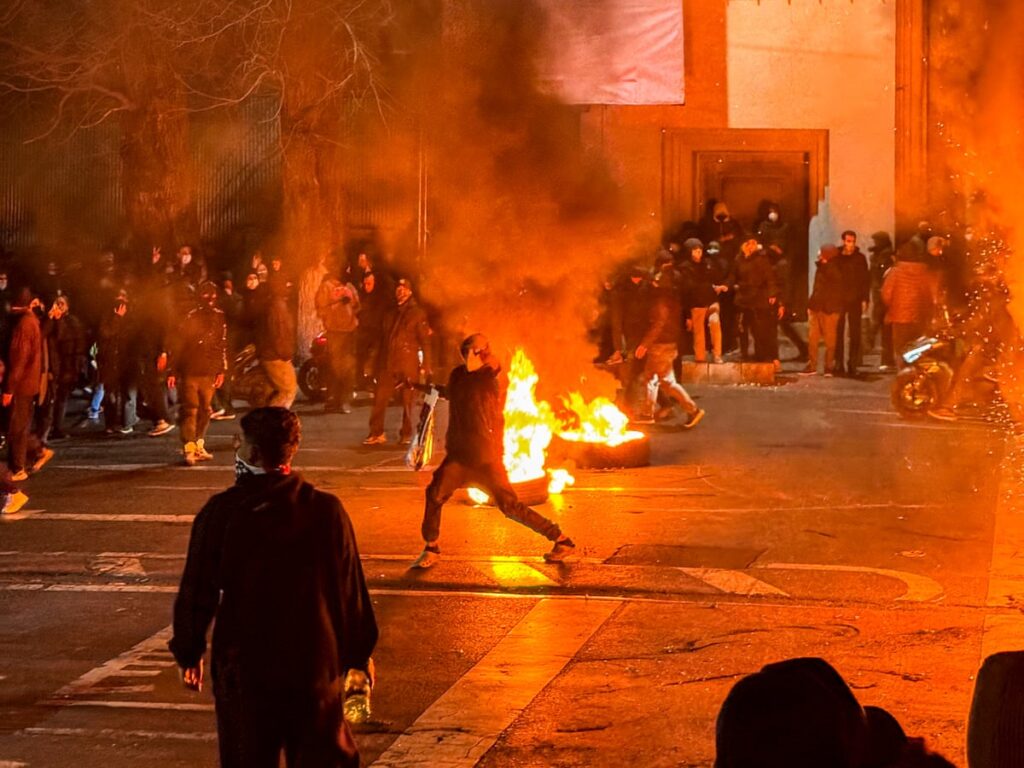
According to a Fox News report citing multiple inside sources in Iran, the heightened security footprint is unmistakable in the public sphere. Mobile motorcycle squads patrol central avenues, police and Basij enforcers occupy major intersections, and passersby are subjected to arbitrary personal searches. A briefing by the National Council of Resistance of Iran (NCRI) further indicated that authorities declared a 100% state of combat readiness across the army, IRGC, and police, canceled all personnel leave through late September, and deployed roughly 51,000 security agents across Greater Tehran.
Beyond the physical clampdown, local sources describe a pervasive intimidation campaign: security operatives photograph merchant storefronts, political prisoners receive direct threats instructing them to keep their families off the streets, and Basij reserve units have been concentrated in dedicated staging grounds and municipal institutions on city outskirts. Exiled Iranian journalist Mehdi Ghadimi noted that according to incoming reports, the regime even released hardened criminals and felons from prison in exchange for reporting to Basij command centers to take part in the violent suppression of demonstrators.
 2+
The latest unrest was reignited by student rallies at Allameh Tabataba’i University. Footage broadcast by Iran International documented students chanting slogans directly condemning the “morality police” and state repression. The protest, initially sparked by hikes in tuition, dormitory fees, and food prices, rapidly escalated into an open political demonstration marked by confrontations with Basij operatives who attempted to intimidate demonstrators. A stricter government directive on enforcing headcoverings in higher education institutions looms over the protests.
While facing severe domestic pressure, IRGC leaders have attempted to project outward belligerence. IRGC spokesman Hossein Mohebbi lashed out at Washington during a press conference in Tehran, urging American citizens to pressure President Donald Trump and declaring that “this deceitful administration must be replaced”—even as indirect diplomatic efforts continue over the broader regional military and economic confrontation.
 2+
The exceptional mobilization of security apparatuses across Tehran and cities such as Isfahan and Borujen highlights the leadership’s deep dread of an unrest cycle mirroring the 2022 protests. The Iranian regime currently finds itself at one of its weakest historical junctures: prolonged regional conflicts, suffocating economic sanctions tightened by the US administration, runaway inflation, and lost leverage over strategic chokeholds like the Strait of Hormuz.
As the regime’s economic and diplomatic pressure levers erode, internal popular fury has become an immediate existential danger. As journalist Mehdi Ghadimi characterized the tense climate: “The reality is that nobody knows what is going to happen next, but everyone I speak with says this situation simply cannot continue—and somehow, it must come to an end.”