


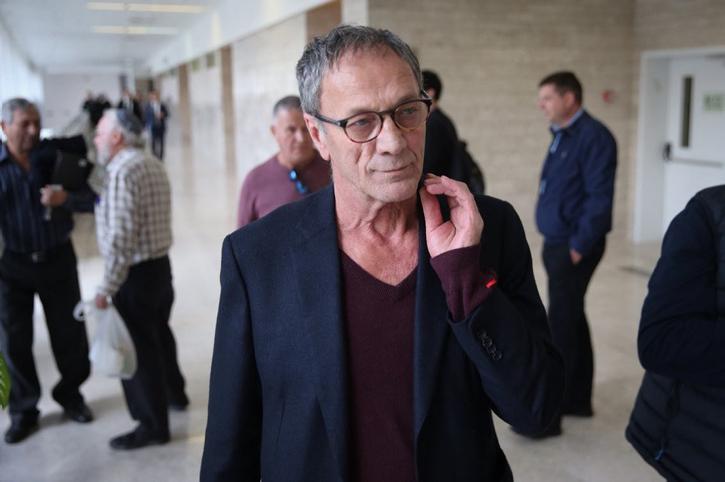

A storm is brewing over continued public funding for the Saraya Theater in Haifa. After the venue hosted a memorial and tribute evening for Mohammad Bakri, director of the anti-Israel propaganda film “Jenin, Jenin,” Shai Glick, CEO of the advocacy organization B’Tsalmo, wrote to Culture and Sports Minister Miki Zohar demanding the government freeze support for the theater and review its eligibility for continued funding.
The event was dedicated to Bakri’s work and legacy. Promotional materials described him as one of the prominent voices who shaped ‘Palestinian’ theater and cinema and as an artist who brought the ‘Palestinian’ story “to the stage, the screen, and the world.”
At the center of the controversy is the film Jenin, Jenin. Following a defamation lawsuit filed by a reserve officer who appeared in the film, the District Court banned the film’s screening and distribution in Israel and ordered Bakri to pay damages. The Supreme Court upheld the ruling.
In his letter to Zohar, Glick argued there’s no justification for a state-funded institution to hold a tribute evening for Bakri. He’s demanding the government freeze funding transfers to the theater, open an investigation into whether it’s meeting the conditions for support, and review its eligibility for public funding going forward.
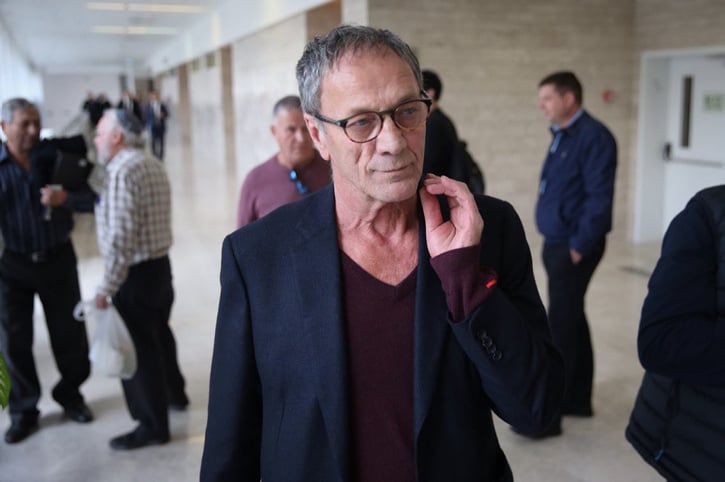

 1+
1+The letter also draws a comparison to Zohar’s fight against the creators of the film “NAZA”: according to the petitioners, the minister can’t take action against creators who he says harmed the state and IDF soldiers on one hand, while continuing to transfer public funds to an institution hosting a tribute evening for the creator of Jenin, Jenin on the other.
Shai Glick, CEO of B’Tsalmo, said: “The reality in which a theater funded by the Culture Ministry hosts events in memory of terror supporters together with terror supporters is delusional and incomprehensible. I demand that the culture minister finally fight the culture of terror and immediately announce a freeze and halt of all funding and cooperation with this terror-supporting theater.”
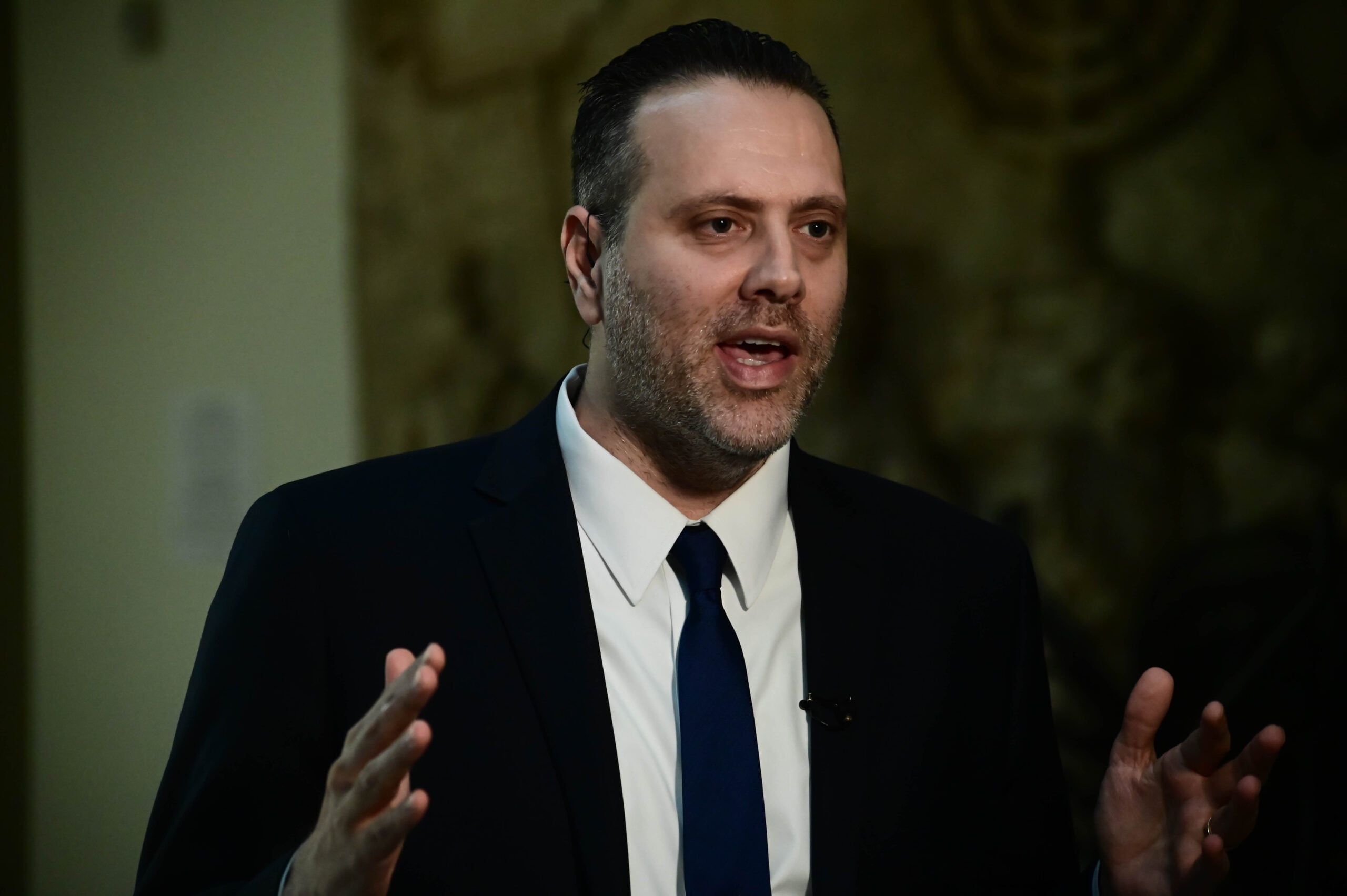
The office of Culture and Sports Minister Micki Zohar said:
“The repeated questions cannot change the fact that Minister Zohar is working with all his strength and, thank God with great success against all kinds of elements in the cultural world who seek to harm the good name of Israel and IDF soldiers. The reforms Minister Zohar is advancing, including the historic cinema reform he initiated, are proving themselves in the field, and of course there is still more to do going forward to completely eradicate the phenomenon.”
 1+
1+The office added that “the culture minister has no legal authority to revoke support from bodies that are supported within broad criteria like the theater in Haifa, but rather this authority is granted only to the finance minister and this is according to clear criteria that indicate clear and active incitement against the State of Israel.”
Regarding the film “NAZA,” the office said Zohar has approached the Population Authority to examine revoking the citizenship of the film’s creators and the head of the Shin Bet to investigate forbidden information sources. On the matter of halting funding to unions, the office said the issue is in internal ministry work and in discussions with the Justice Ministry.
Thus, the controversy surrounding the tribute evening for Bakri is also becoming a more fundamental question: who is responsible when a cultural institution supported by public funds holds events that raise claims that they exceed the purposes of the support—the Culture Ministry that provides the budget, or the Finance Ministry that has the authority to stop the support?
The Finance Ministry noted that the Nakba Law is expected to undergo legislative updates that will enable the implementation of sanctions and the revocation of budgets.