




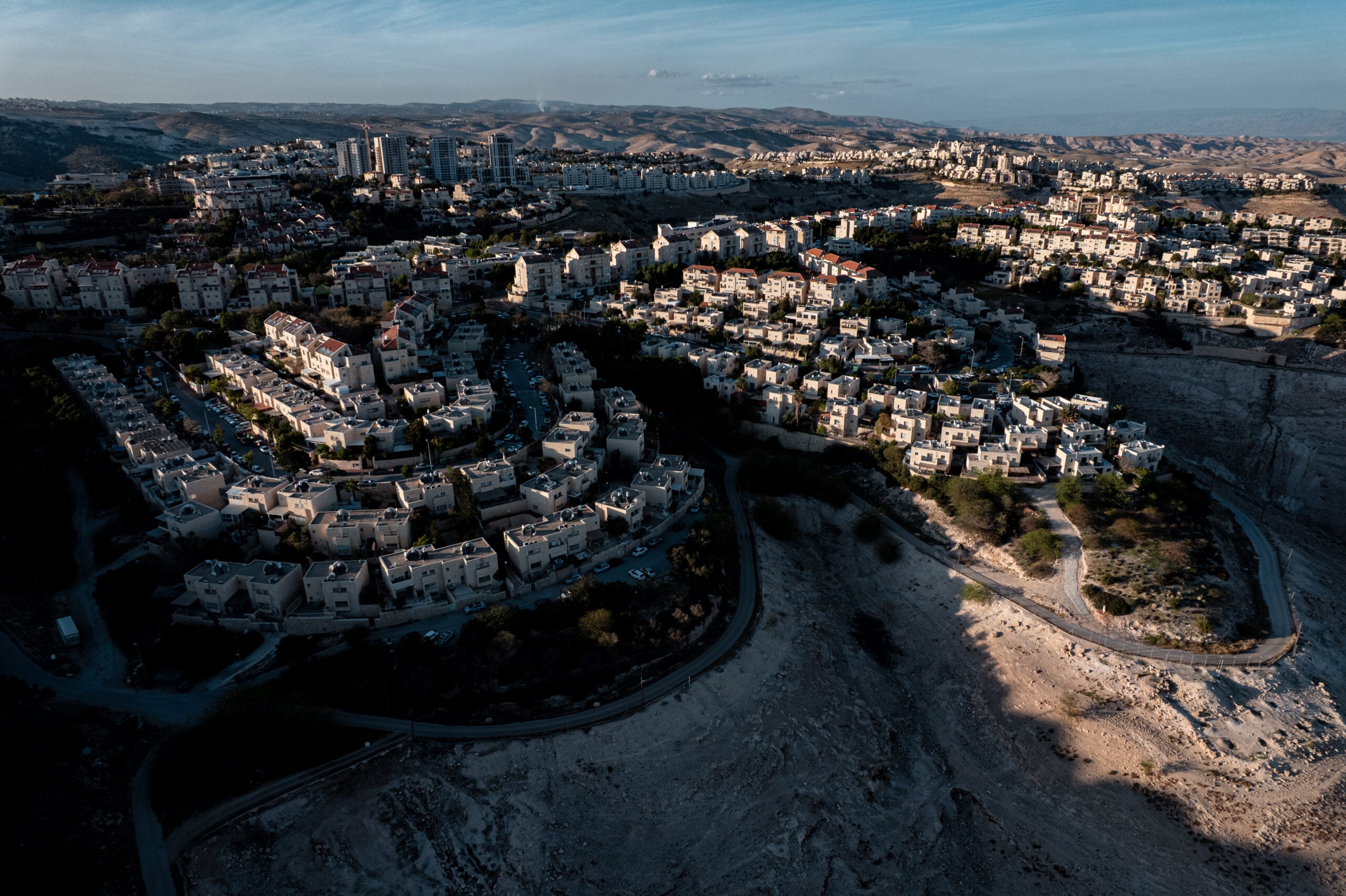
Europe insists its targets are “settlements,” not other parts of Israel. But in recent months there’s been a significant escalation in anti-Israel policies advanced by a string of European governments: from product labeling and targeted sanctions, through import bans—to searching travelers’ luggage and attempts to reach companies, services and funding sources for activity in Judea and Samaria.

 5+
5+The official line still runs, supposedly, through Judea and Samaria. In practice, as restrictions expand, they’re also getting closer to Israel within the “Green Line”: a bank in Tel Aviv, a company operating throughout the country, or an Israeli landing in Europe could be affected because of an economic connection to activity in Judea and Samaria.
This month, Britain, France, Canada, Denmark, Finland, Iceland, Ireland, Norway, Poland, Portugal, Spain and Sweden already lined up behind a joint declaration to advance or examine restrictions on trade with Israeli communities. In the declaration, the countries accused the Israeli government of actions in Judea and Samaria that “undermine the possibility of a two-state solution.”
Not all have implemented bans yet, but the direction is clear: what began with products and individuals is gradually expanding to trade, services, and financing.
Netherlands: The Boycott Is in Your Suitcase
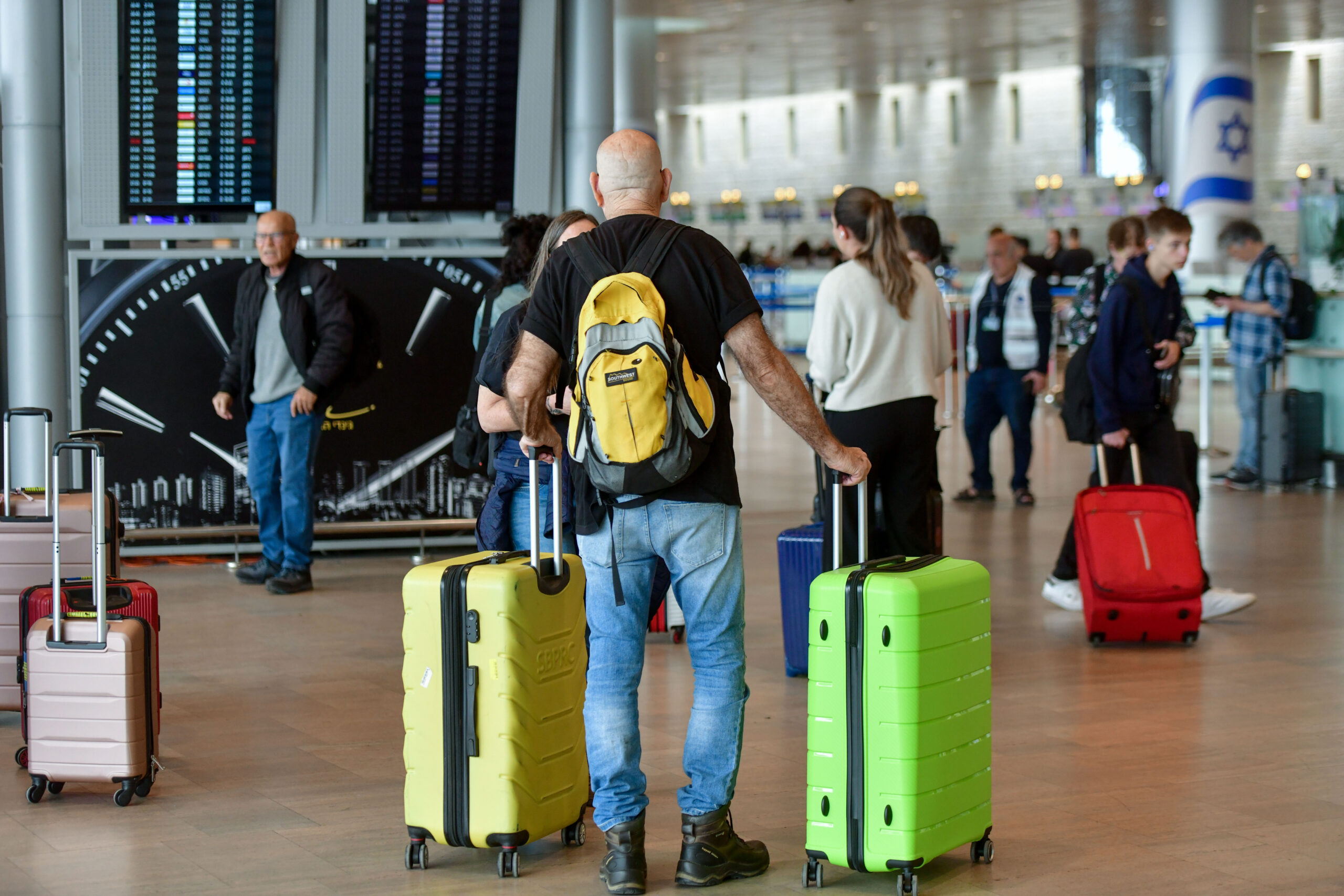
In the Netherlands, they’re no longer satisfied with the product on the shelf. Since September 22, it’s been forbidden to import, purchase, or sell products originating from communities The Hague defines as illegal.
 5+
5+The ban extends to personal dignity too: Dutch customs makes clear that even a souvenir, gift, or product for private use could be prohibited. An Israeli who doesn’t live in Judea and Samaria could find himself required to explain to customs where a product found in his luggage came from.
The Hague insists there’s no change in trade relations with Israel itself. Jerusalem sees a different picture, and has already taken diplomatic steps against Dutch representatives in Ramallah.
Britain: Now Banks Are in the Crosshairs Too
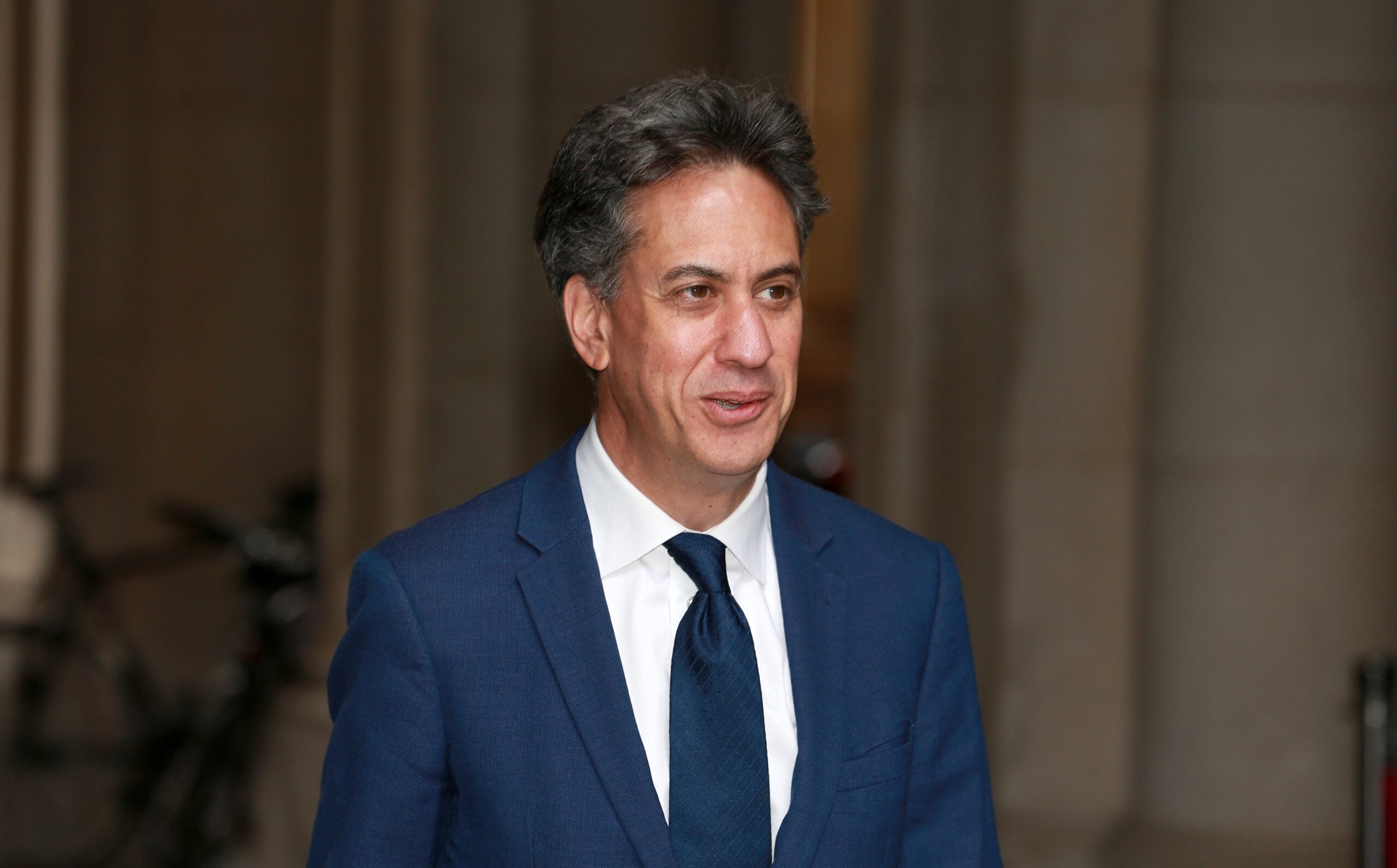
In London they’re going a step further. Foreign Secretary Ed Miliband announced a planned ban on importing products and a change to the sanctions regime so it can also hit entities that finance, build or provide services to activity there.
 5+
5+Miliband declared in Parliament that “settlements are illegal. They must not be promoted in our country,” and announced Britain will also refuse requests for export licenses for weapons and other products it claims contribute to “occupation.” According to him, the ban will remain in effect “as long as the occupation continues.”
Here it’s much harder to keep the story beyond the “Green Line.” An Israeli bank headquartered in Tel Aviv can finance an apartment in Ma’ale Adumim, an insurance company from the center can insure activity in Judea and Samaria, and an Israeli company can operate on both sides of the line.
Foreign Minister Gideon Sa’ar defined the British package as “anti-Israel” and Miliband’s words as “outrageous lies.” Israel also responded with actions, including the decision to close the British consulate in Jerusalem and take additional steps against the British presence.
From France to Ireland: The Bloc Expands
The Netherlands and Britain are the prominent examples, but they’re no longer alone: Spain is advancing a series of economic and political measures against Israel and pushing for restrictions at the European Union level too.
 5+
5+Spanish Prime Minister Pedro Sánchez called in June for the European Union to suspend part of the Association Agreement with Israel, impose sanctions and ban trade in settlement products. “These abuses must stop once and for all,” he said.
Spanish Foreign Minister José Manuel Albares also demanded Brussels adopt a full ban, and made clear: “Spain banned imports long ago at the national level—and the European Union must do the same.”
Ireland advanced legislation to ban imports of products from Judea and Samaria. Foreign Minister Helen McEntee called for the move to be European policy and declared the step is meant “to send a strong message to Israel.” According to her, “Europe cannot continue to defend a rules-based international order while simultaneously allowing trade with illegal settlements.”
 5+
5+France announced its intention to advance trade restrictions. Paris argues forcefully this isn’t a boycott of Israel, but in its official statement determined there should be no economic and commercial ties that strengthen what it calls Israel’s “illegal presence” in the territory.
Norway is examining broader measures that will also reach services and business ties. Belgium already advanced its own measures, while Sweden, Denmark, Finland, Poland, Portugal and Iceland joined the joint declaration calling to advance or examine additional restrictions.
The measures aren’t identical, and not all have entered into force yet. But the cumulative picture is significant: instead of one European boycott, a network of national measures is being built layer by layer—and each country is adding another tool.
Not Everyone’s Falling in Line
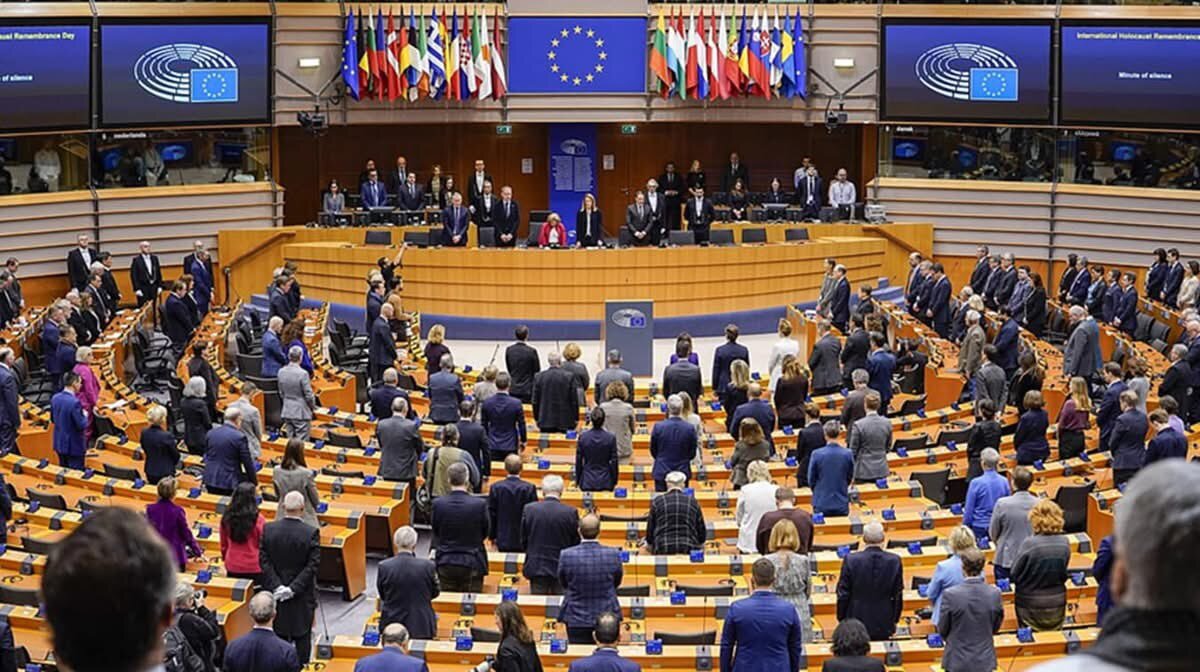
Despite the escalation, Europe is far from consensus. The attempt to turn the restrictions into pan-European policy still faces opposition, so there’s currently no EU-wide boycott of Israeli products.
 5+
5+That’s also why the camp leading the move is operating for now through national governments. The recent declaration includes only 12 countries, and one of them—Canada—isn’t European. This split is currently one of the main barriers to turning the wave of measures into binding policy across the continent.
Starts in the West Bank—But Where Does It End?
This is the heart of the story. In Europe they say the target is the “settlements.” But the Israeli economy isn’t divided according to the line they’re drawing there: a company from Tel Aviv can also operate in Judea and Samaria. A bank in the center of the country can finance an apartment in Ma’ale Adumim. An Israeli from Petah Tikva can buy a bottle of wine in Judea and Samaria and run into it at customs in Amsterdam.
And as the measures move from products to financing, from companies to services and even to personal dignity, this distinction becomes harder to implement. In Europe they say it starts and ends in Judea and Samaria. But when the Israeli’s suitcase, the company from Tel Aviv, and the bank financing activity beyond the line are already in the picture—the boycott no longer stays there.