


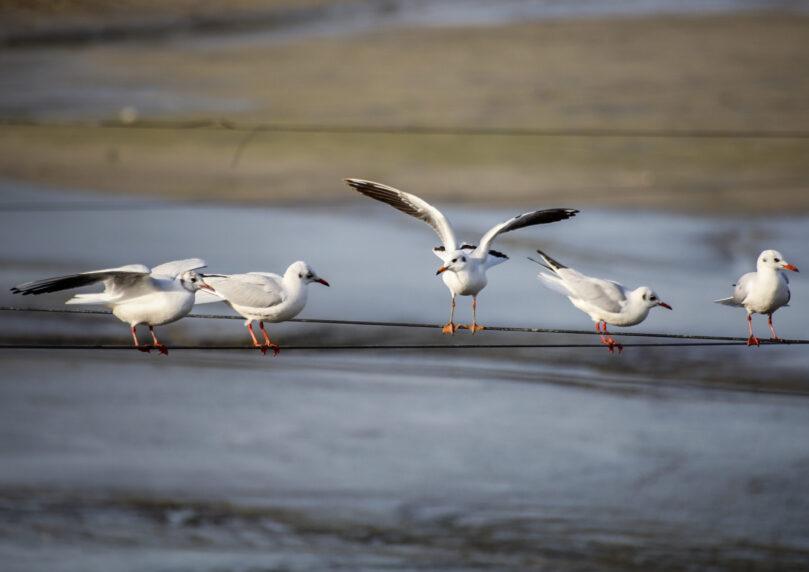

Every fall, one of nature’s greatest journeys unfolds right above our heads. Half a billion birds pass through Israeli skies on their way from Europe and Asia to Africa—and some stop here to rest before continuing south.
From soaring storks to flocks of raptors riding thermal currents, migration season offers a chance to get outside and witness something extraordinary. So where should you look up, and what makes birds choose this route in the first place?

 4+
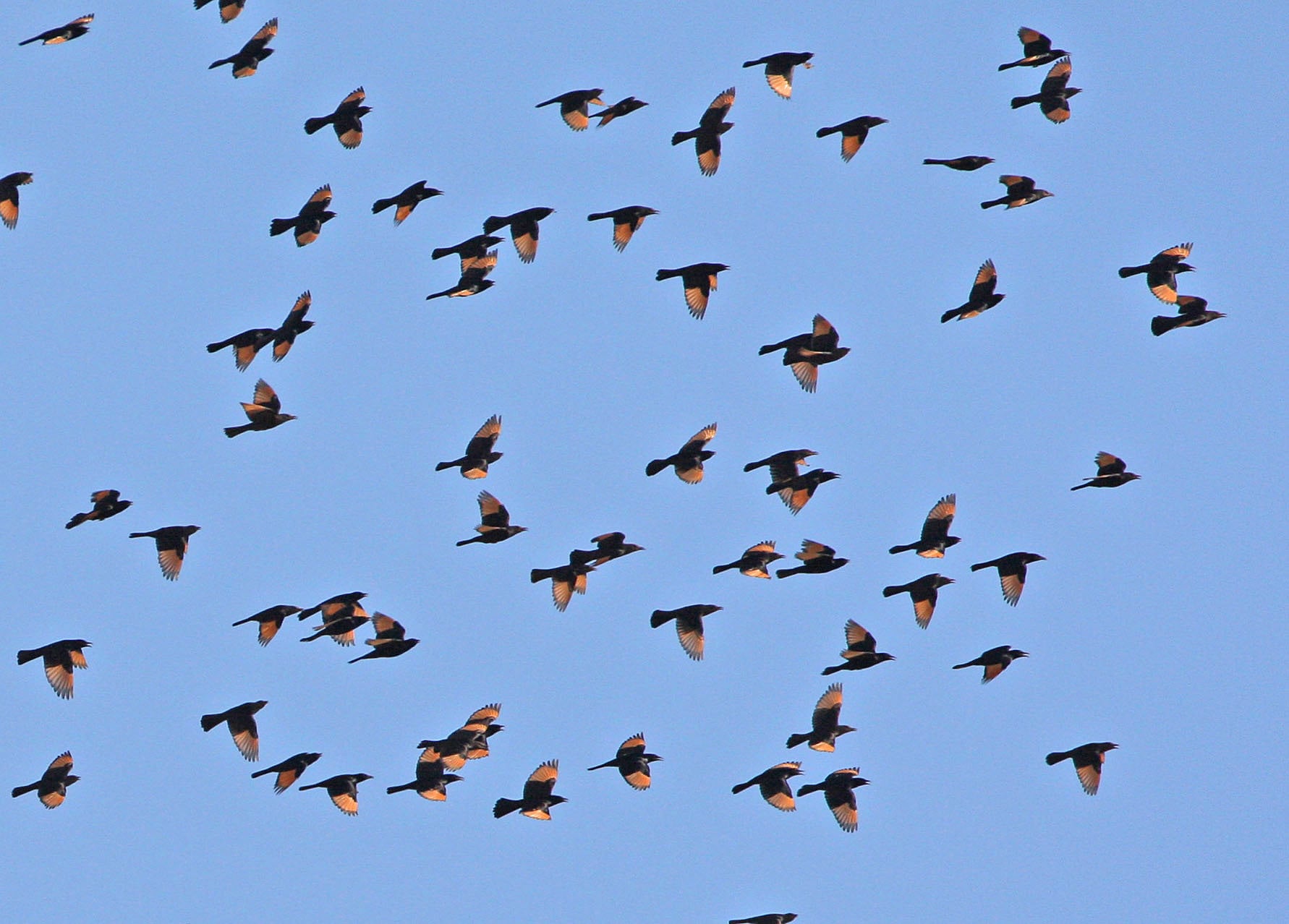
Israel sits at the meeting point of Europe, Asia, and Africa, making it a central corridor for global bird migration. Each year, roughly half a billion birds cross the country’s skies heading south in fall and north in spring. Some arrive from Russia and Central Asia, others from Eastern and Central Europe.
This journey isn’t random. As temperatures drop and water begins to freeze in the north, food sources for birds shrink. So they migrate to warmer regions where they can find food and survive.
Fall brings spectacular viewing opportunities across the country. Some birds pass at high altitude while others stop at water reservoirs and open areas to rest and eat. Here are a few spots where you can see them up close without disturbing their journey.
Where to Watch the Migration
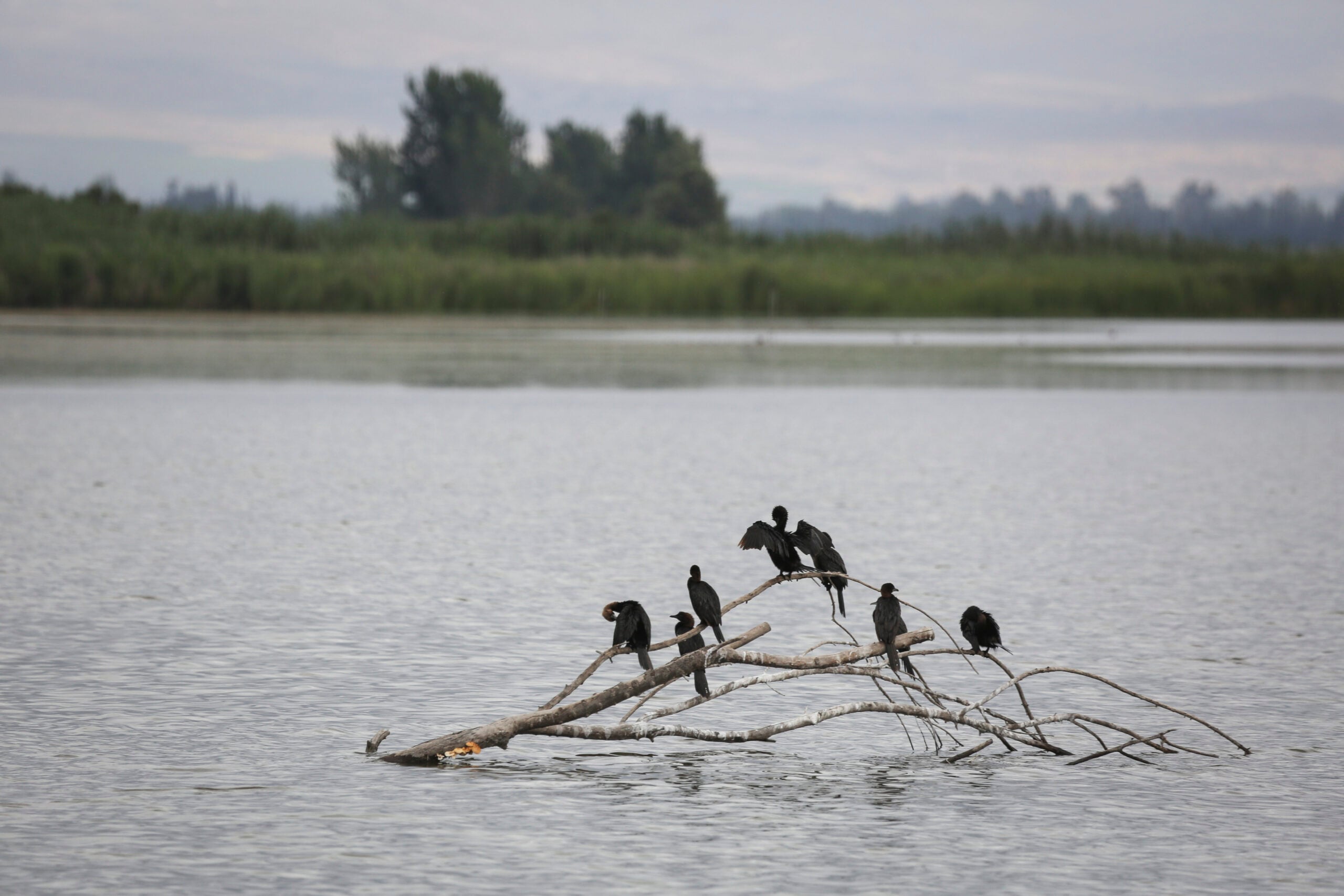
Hula Nature Reserve: The Hula Valley is one of Israel’s best-known stopover sites for migrating birds. During fall you can spot cranes, storks, pelicans, and other species depending on the season and conditions. During the Sukkot holiday week, the reserve will offer guided tours for families. Participants will move between observation points, learn about the valley’s importance for birds, and enjoy views of the reserve.
 4+
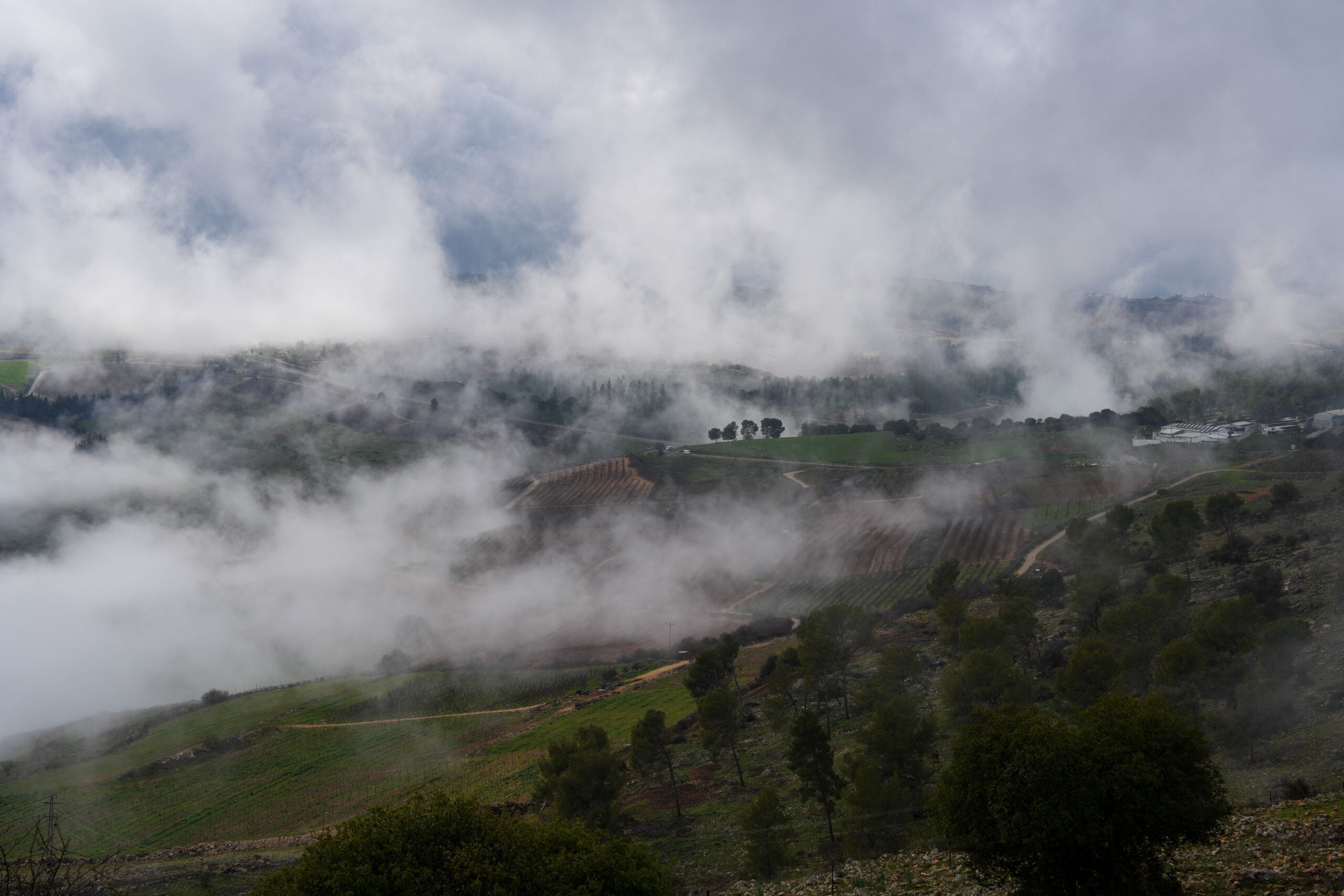
Naftali Ridge and Yiftach Gorges: Rising above the Hula Valley, the Naftali Ridge offers a wide view of one of Israel’s main migration corridors. The high elevation lets you watch birds passing over the valley and surrounding area. Species you might see include honey buzzards, lesser spotted eagles, black kites, Levant sparrowhawks, and sparrowhawks. Alongside birds of prey, many songbirds also pass through. You can combine birdwatching with a short hike through the Yiftach Gorges, winding between rocks, narrow passages, and Galilee scenery. It’s a way to enjoy both the migration and the landscape.
 4+
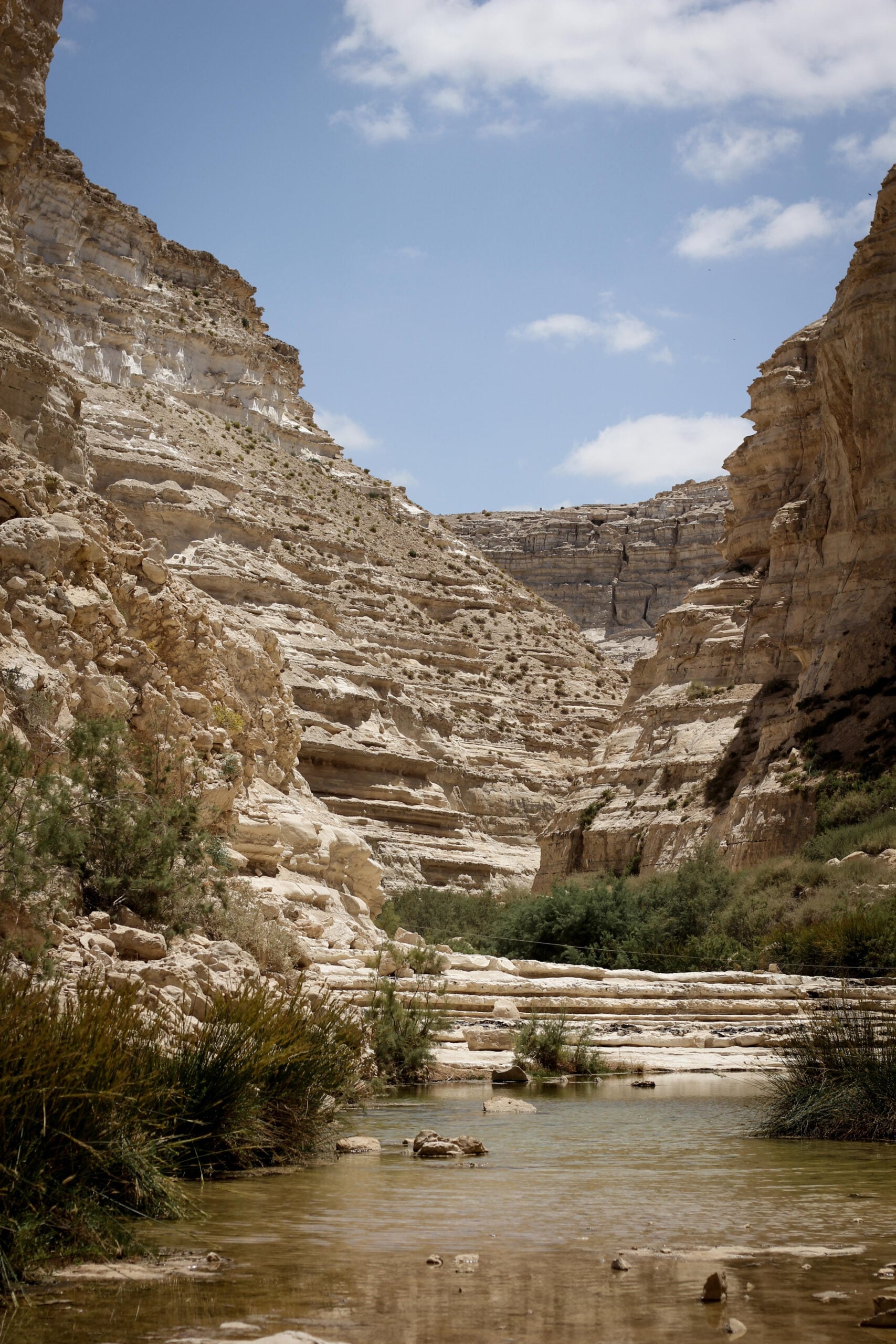
Ein Avdat National Park: The desert joins the migration celebration too. At Ein Avdat National Park you can see desert birds and the winged travelers crossing the Negev on their way south. During the Sukkot holiday week, a special sunset tour will take place. It starts at the birdwatching center at the entrance to Zin Cliff and continues to the promenade overlooking the Zin Valley. Along the way, participants will hear about desert nature, vision, and leadership.
 4+
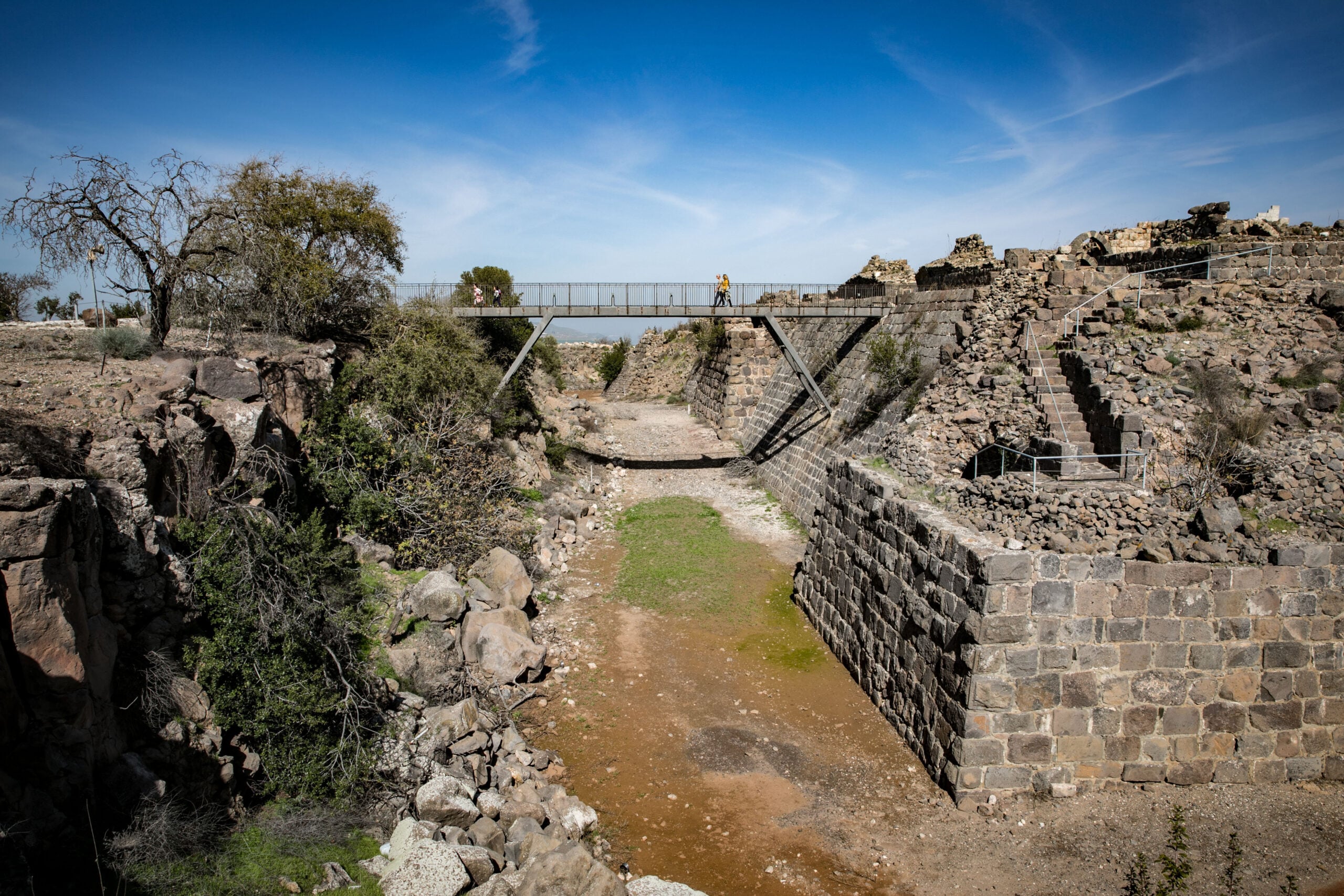
Belvoir National Park: Belvoir National Park looks down from its heights over the Jordan Valley and Gilead, sitting near one of the country’s main migration routes. During fall you can watch birds passing over the valley. During the Sukkot holiday week, Belvoir Fortress will host street performances, living statues, music, and art activities as part of the “Breathing Culture” initiative. Visitors can also join guided tours and a navigation game for the whole family.
 4+
According to the Nature and Parks Authority, water reservoirs and fish ponds are among the best places to watch migrating birds. That said, it’s important to keep your distance, not feed the birds, and stay on marked trails. Even if you capture an amazing moment on camera, remember that the skies right now belong to creatures in the middle of a journey spanning thousands of miles.