


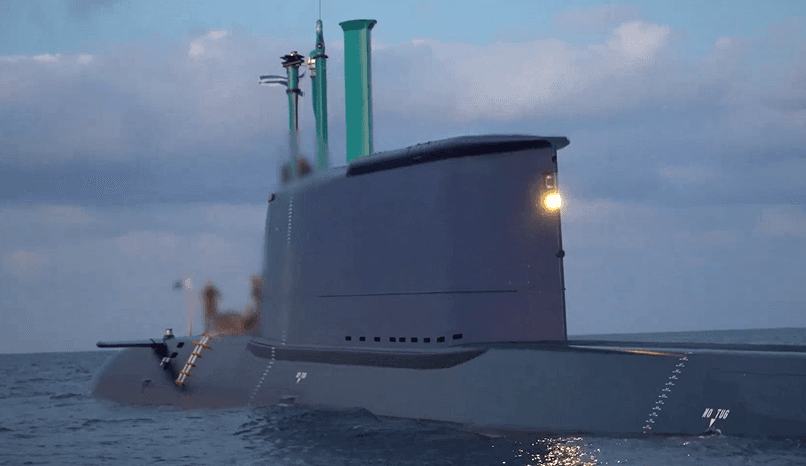

At the heart of the IDF’s most expensive and sophisticated war machine lies the power of INS Dragon. Nearly 14 years passed from when the submarine was ordered from Germany’s ThyssenKrupp shipyards until the day it first arrived at its home port in Haifa. Dragon is the largest submarine in the history of the Israeli Navy—one that, according to assessments, gives the naval arm unprecedented capabilities for striking deep inland targets.
Alongside these strike capabilities, and according to foreign publications, Dragon is equipped with a VLS (Vertical Launch System). This advanced system enables the launch of exceptionally large cruise missiles, and likely even nuclear-capable ballistic missiles, at enormous ranges that could reach thousands of kilometers. The Navy notes that the name was chosen as a symbolic tribute to the submarine Dakar due to the similar letters, but it’s hard not to speculate that choosing the name Dragon—that legendary fire-breathing monster—is closely tied to the new submarine’s firepower and offensive capabilities.
Beyond combat power, for the fighters manning the vessel, the noticeable upgrade in size brought an equally important piece of good news. Unlike the familiar cramped conditions, Dragon has two showers installed—a real luxury in submarine terms—and more importantly, it has about 50 beds, a figure that almost eliminates the exhausting “hot bunking” system.

 1+
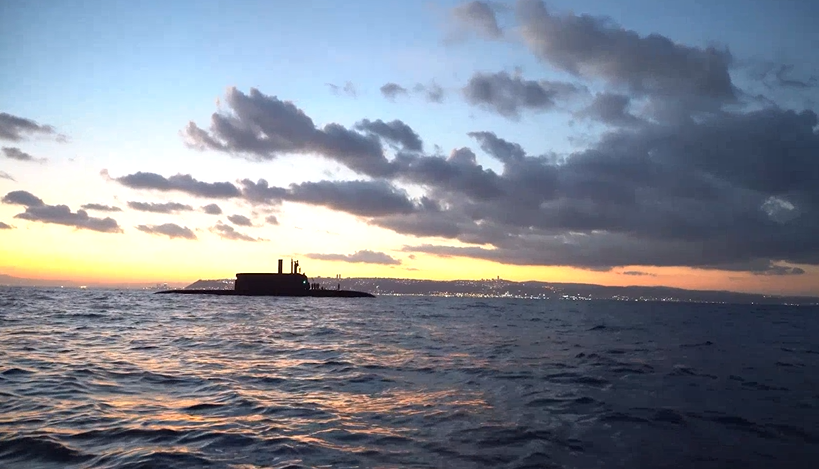
1+However, it’s important to remember that Dragon, just like its sister submarines in the submarine flotilla, doesn’t serve only as a missile launch platform. In fact, it’s a covert intelligence collection station packed with the most advanced technological sensors, carrying out missions thousands of kilometers from Israel’s shores and slipping undetected into enemy rear areas beneath the waves and below radar. Moreover, according to those same foreign publications, inside the Navy’s submarines there’s a dedicated space reserved specifically for Shayetet 13 commandos, whom they covertly insert at distant targets across the Middle East.
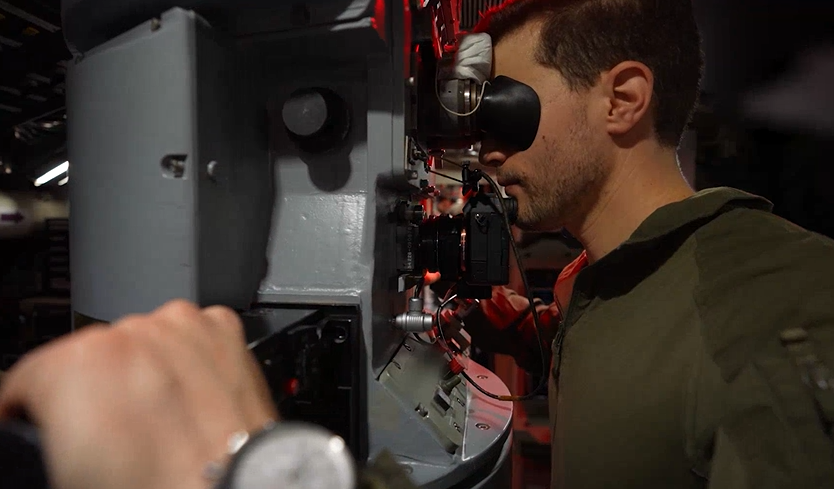
Yet the operational price is heavy: The covert missions the submarines undertake impose complete disconnection from the outside world for long weeks on the fighters. Despite this, even in the darkness of the depths, hundreds of meters below the water’s surface, the bleeding reality outside sometimes catches up with them—as happened when fighters discovered during an operational mission that a family member had died, and were forced to be pulled immediately back home for the funeral.
 1+
1+The entire Navy is now in the midst of a far-reaching historic transformation. Following the recent war, which sharpened the critical importance of the maritime domain, and given the alarming strengthening of the Turkish fleet alongside Erdoğan’s imperial ambitions, a strategic decision was made at the political and security establishment levels: to transform the naval arm from a compact force with a defensive orientation into a powerful offensive arm, similar to the Air Force.
In direct continuation of this, it was recently published that the security establishment recommended to the political echelon to expand Israel’s submarine fleet and bring it to eight vessels. In this charged context, it’s hard not to recall the storm of the “Submarine Affair,” in which a political attempt was made to pin serious corruption charges on Prime Minister Netanyahu solely because of his stubborn insistence on enlarging the fleet from five to six submarines.
In conclusion, although the exact role of the submarine flotilla in the current war cannot yet be discussed in detail, the new public and security consensus around the enormous importance of these vessels speaks for itself. This is one of the State of Israel’s most important and sensitive strategic assets—a central asset that proves time and again it hasn’t yet said its last word.