


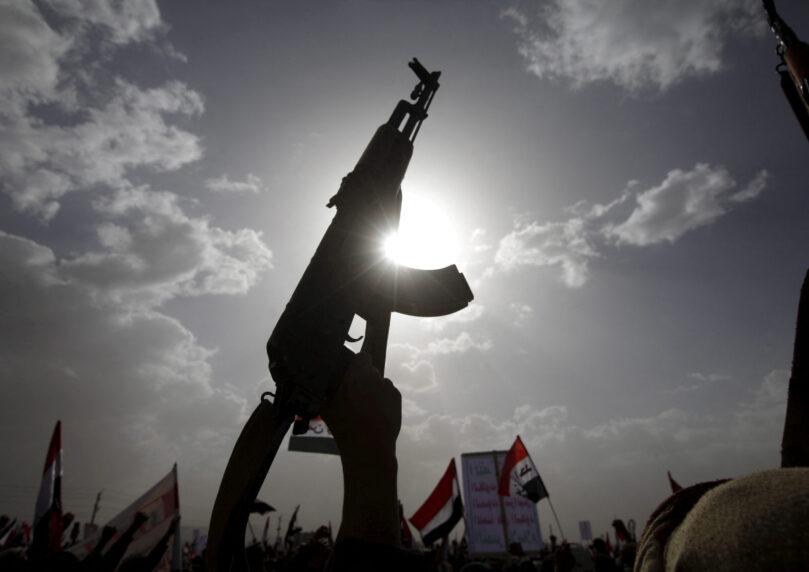

Abdul-Malik al-Houthi, leader of Yemen’s Ansar Allah (Houthi) movement, has sharply escalated his campaign against Saudi Arabia in recent weeks against the backdrop of renewed regional hostilities in the Persian Gulf. In televised addresses delivered in the format of politico-military ultimatums, he vehemently denied Saudi accusations of attempting to strike Mecca, cautioned Turkey and Pakistan against entering the war alongside Riyadh, and laid down a strict deterrence formula of “blockade for blockade” and “airport for airport.”

 3+
3+The conflict between the Houthis and Saudi Arabia has spanned more than a decade, marked by blockades, airstrikes, ballistic missile and drone barrages, shuttered ports, restricted air traffic, and years of unpaid public sector salaries. Politically, it has served as a war for dominance over Yemen, its oil and gas reserves, control of the strategic Bab el-Mandeb strait, and governance across the country’s north.
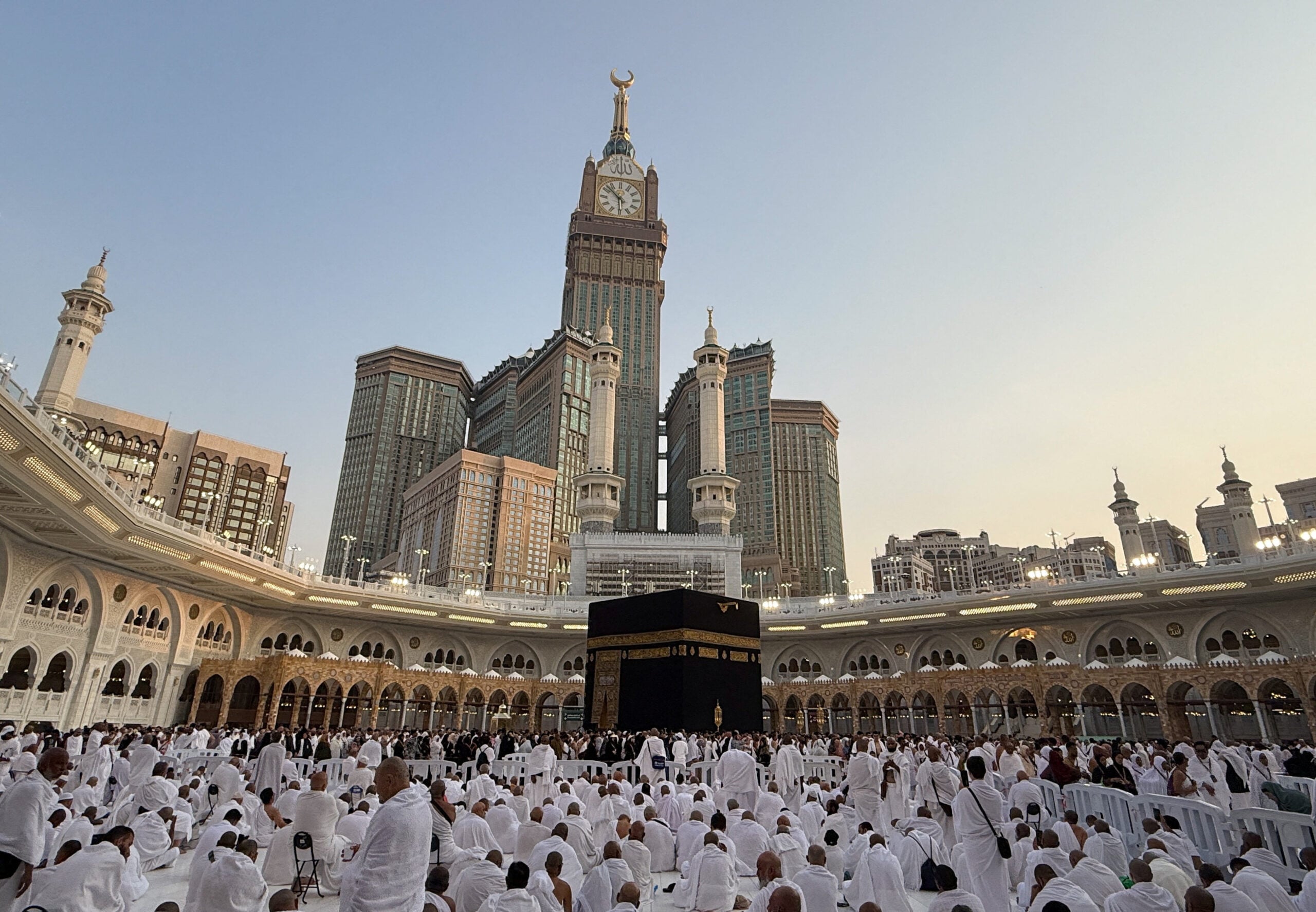
Al-Houthi has now shifted the battleground from Yemen’s borders to the broader Islamic map. He claimed that ever since the Saudi state “was founded and occupied Mecca,” acts of “genocide” have taken place there, labeling the Saudis “highway robbers who desecrate the sanctity of the holy sites.” Furthermore, he linked Saudi state policy directly to American and Israeli interests, alleging that U.S. military advisers are actively managing operations out of Saudi territory.
 3+
3+The implications of his rhetoric are unmistakable: a new religious war is looming on the horizon. Under al-Houthi’s doctrine, whoever currently controls Mecca is not necessarily its legitimate custodian, and he and his followers intend to “liberate Mecca from the Saudi occupier.”
In addition, al-Houthi dismissed the Saudi claim that his forces launched an attack drone toward Mecca, branding it “a great, ugly, and abominable lie” and an “overt blood libel.” He asserted that the Yemeni people—traditionally revered in Islamic heritage as “the Yemen of faith and wisdom”—would never harm the holy sites, but rather stand ready to sacrifice on their behalf. He accused Riyadh of exploiting the sanctity of Mecca to incite foreign nations against Yemen, cover up operational failures, and justify over 12 years of “aggression and siege,” while pledging that his forces would personally defend Mecca and Islam’s sacred sanctuaries.
 3+
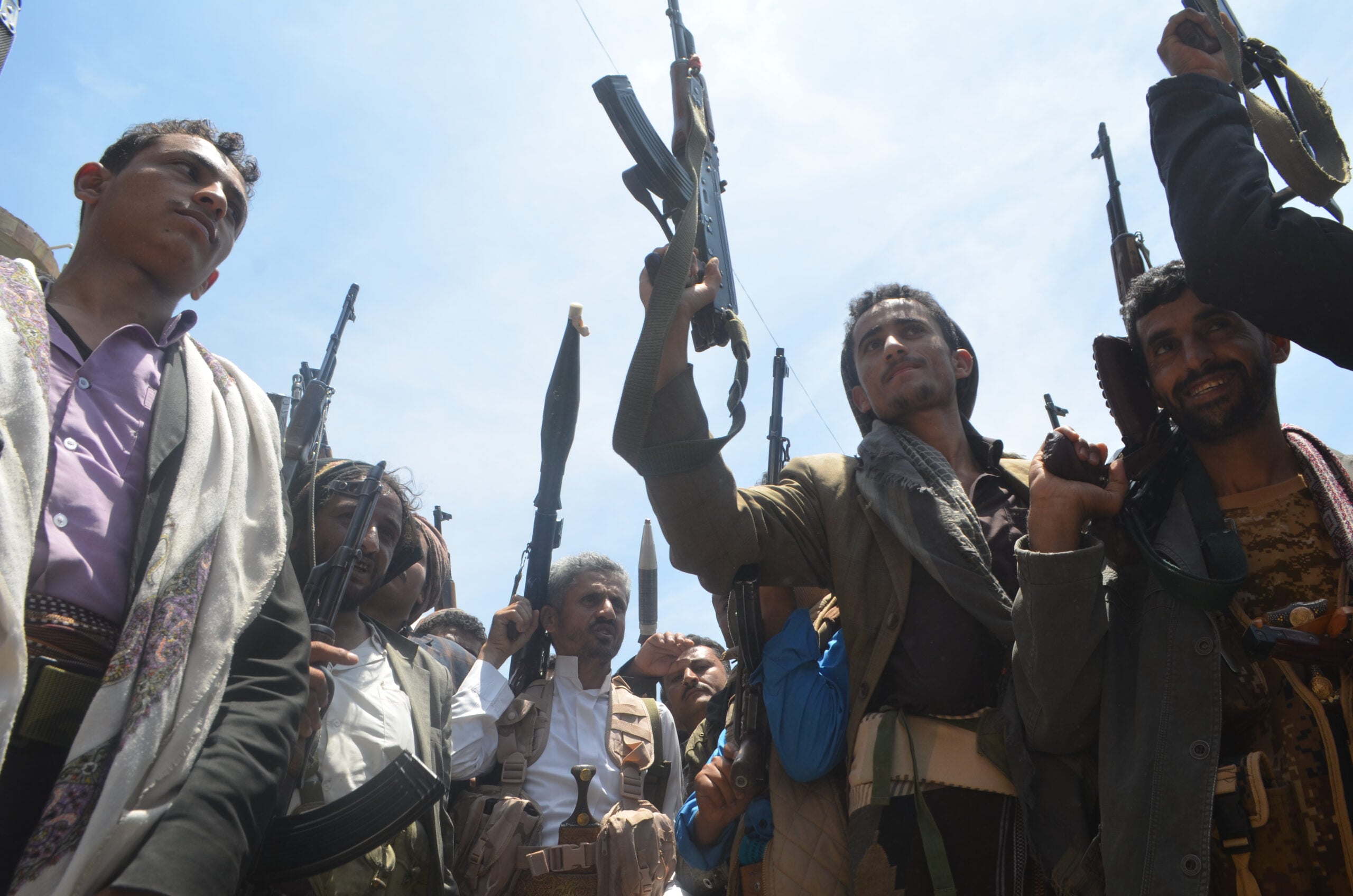
3+Al-Houthi addressed Turkey and Pakistan directly, claiming that “the Saudi enemy” is maneuvering to embroil them in the fighting against Yemen, advising them not to entangle their armed forces for “fleeting political and material gains.” He also accused Riyadh of attempting to recruit jihadist fighters from Syria. His primary demand remained consistent: an immediate end to the military campaign and the lifting of the blockade—terms he characterized as entirely attainable.
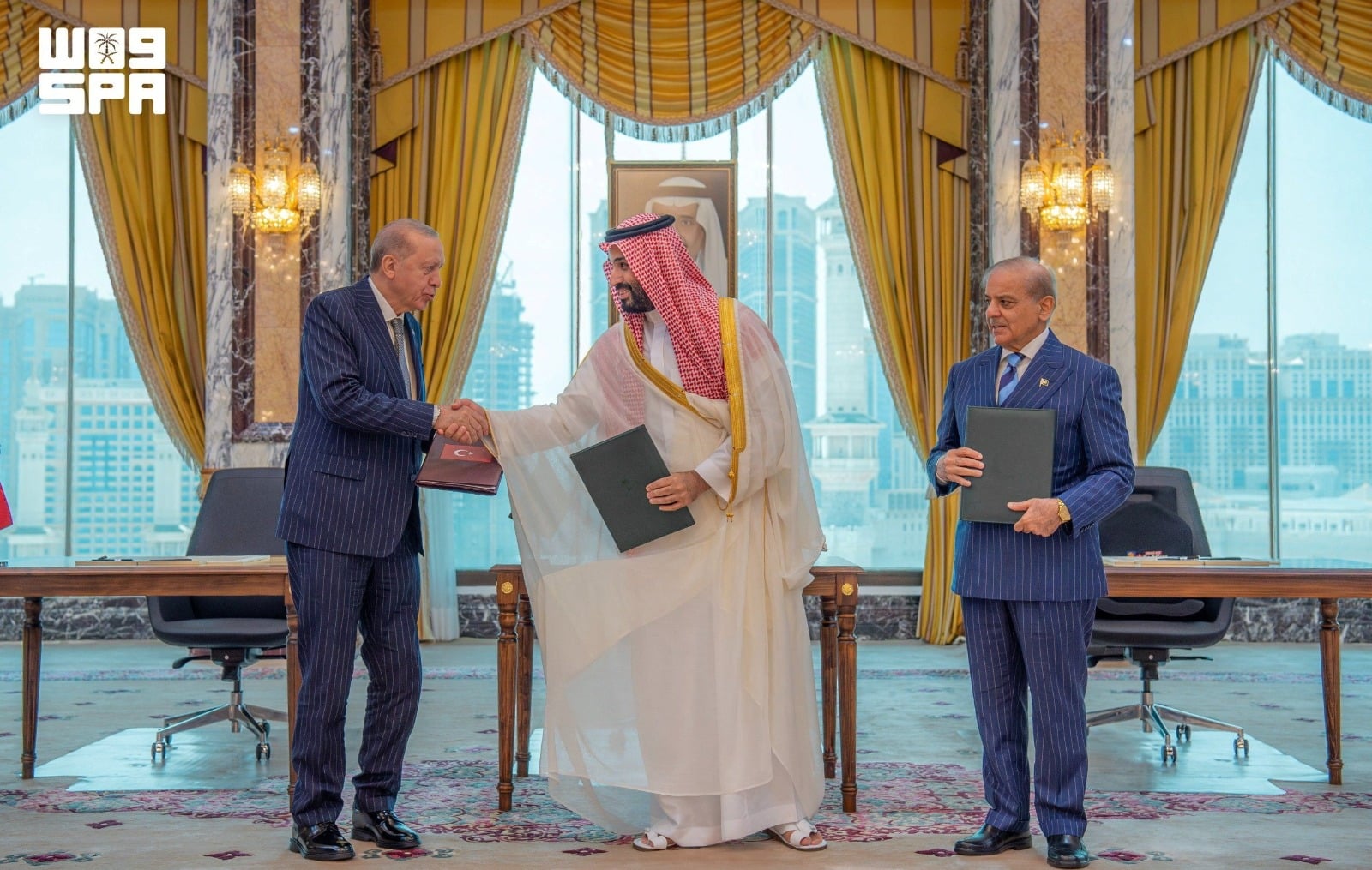
In August, Saudi Arabia, Turkey, and Pakistan formally signed the “Mecca Defense Alliance,” stipulating that an attack on one signatory is viewed as an attack on all. In recent days, military chiefs of staff gathered in Riyadh as the pact transitions from diplomatic ceremonies to initial operational execution. For al-Houthi, this represents a critical inflection point: if Turkey and Pakistan supply intelligence, interception umbrellas, aerial refueling, or naval deployments, the operational balance of power fundamentally shifts.
 3+
3+From the Saudi side, state-aligned media delivered sharp condemnations, denouncing the Houthis as a “terrorist militia” and accusing them of a recurring attempt to target Mecca—calling it an “abominable crime” that offends the sentiments of Muslims worldwide. Riyadh continues to frame its military engagement in Yemen as vital homeland security and the defense of Islam’s holiest sites, while depicting the Houthis as an Iranian proxy destabilizing the region. Al-Houthi’s rhetoric carries a dual message: on the one hand, a demand to lift the maritime and aerial blockade; on the other, an explicit warning that if Riyadh pursues “total escalation,” Yemen will respond in kind—including direct strikes against critical oil installations and essential infrastructure.
The conflict is taking on the characteristics of a theological struggle in the narrowest sense: an ideological battle over who holds the authority to speak for Islam, who truly protects Mecca, and who is considered a traitor to the faith. While the Houthis reject Saudi religious stewardship, Riyadh rejects the Houthis as an Iranian terror proxy and desecrators of the holy sites. Recent declarations from both capitals indicate that the war has fundamentally evolved from a border conflict into an ideological and religious war.