



Airfares could rise next year as statutory aviation fees for 2027 are set to increase, a shift expected to affect the prices travelers pay for airline tickets directly. The fee adjustment is made annually under the regulatory mechanism set out in the Israel Airports Authority (IAA) fee regulations.

 2+
2+The 2027 update reflects a 1.54% rise in the Consumer Price Index (CPI). In addition, shifts in dollar-denominated rates are heavily influenced by foreign exchange valuations. The Airports Authority emphasizes that the statutory fees are legally set in Israeli Shekels. At the same time, the dollar figures are recalibrated in line with the indexation formula established in the official regulations.
Among the levies with the most direct bearing on passenger ticket pricing is the passenger departure fee:
-
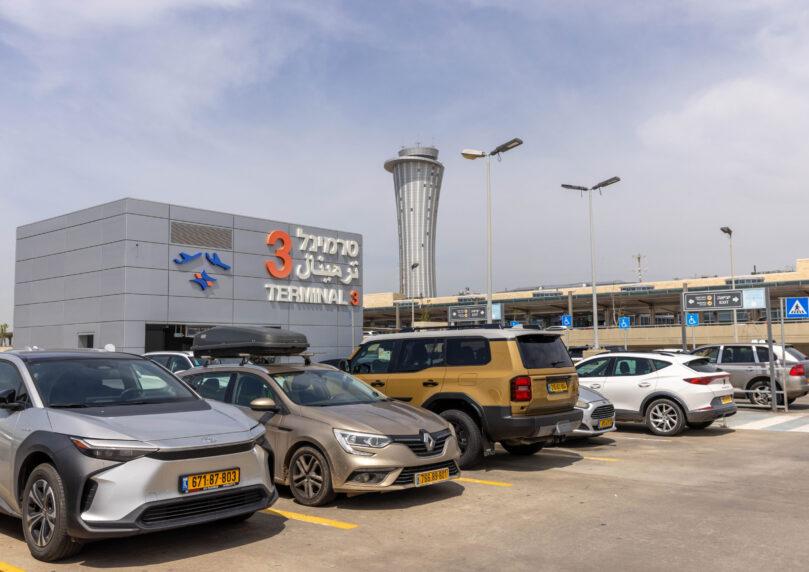
Terminal 3: In 2027, the fee will be $37.68, up from $33.87 in 2026—an increase of $3.81 per passenger.
-
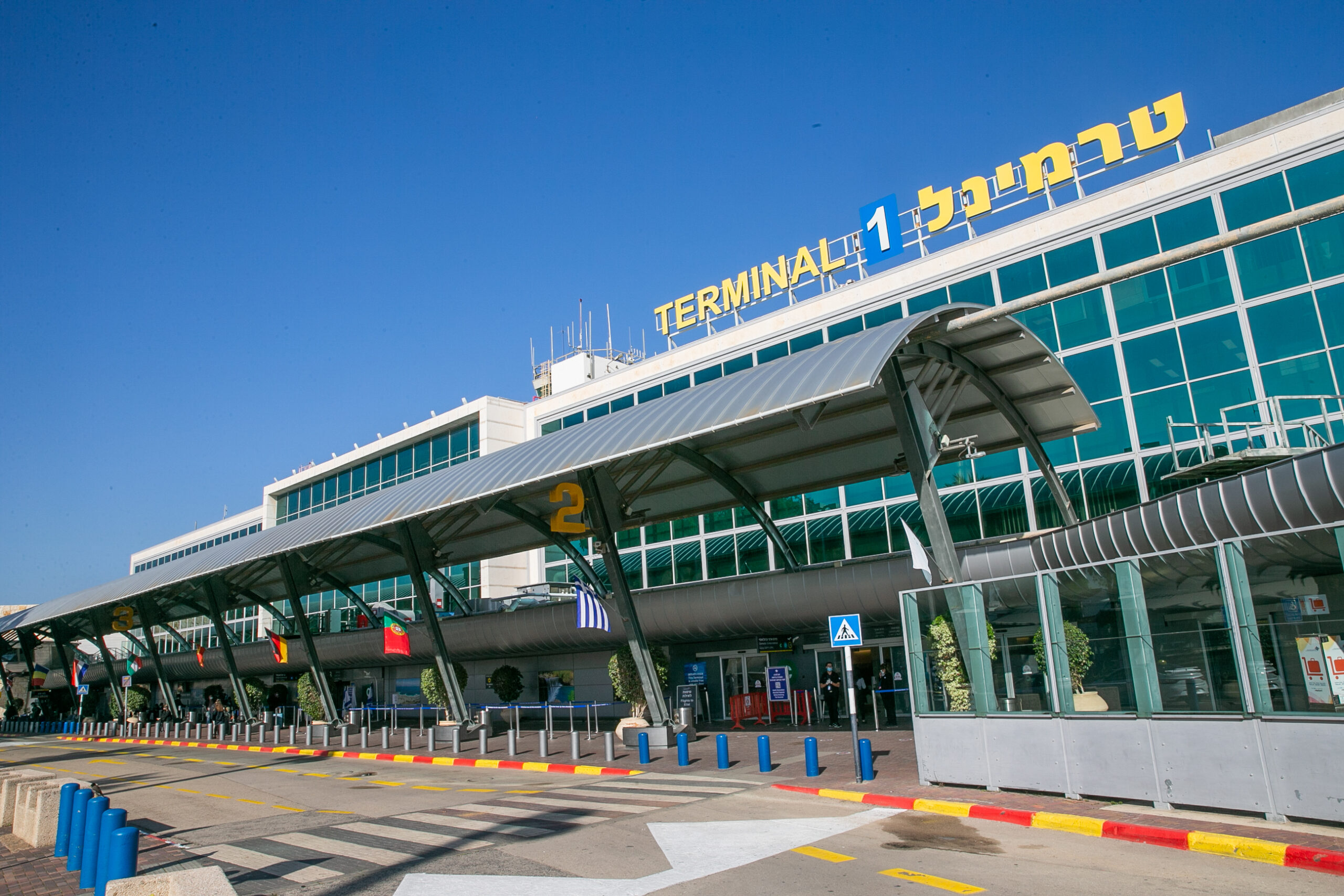
Terminal 1: Passengers departing from the low-cost facility will also pay higher surcharges, with the rate climbing to $17.36, compared to $15.61 in 2026—an increase of $1.75 per passenger.
 2+
2+The fee increase is not necessarily billed as a separate line item when a traveler purchases a ticket. Statutory fees, port charges, and government levies are integral cost components that airlines and ticketing agents factor in when calculating baseline fares. Consequently, the fee increases are expected to roll over, in whole or in part, into the final retail price consumers pay.
The Israel Airports Authority stressed that, beyond the technical indexation required by statutory regulations, it imposed no structural increases on baseline tariffs. According to officials, the upward shift in dollar-denominated fees stems from fluctuations in the dollar-shekel exchange rate and the administrative mandate to preserve the real Shekel value of airport revenues.
 2+
2+The finalized tariff schedule is scheduled to be officially published by October 1, 2026. For consumers, the takeaway is clear: even if underlying base airfares remain flat, auxiliary mandatory travel components will rise starting in 2027—at a time when multiple surrounding cost pressures already constrain airline ticket prices.