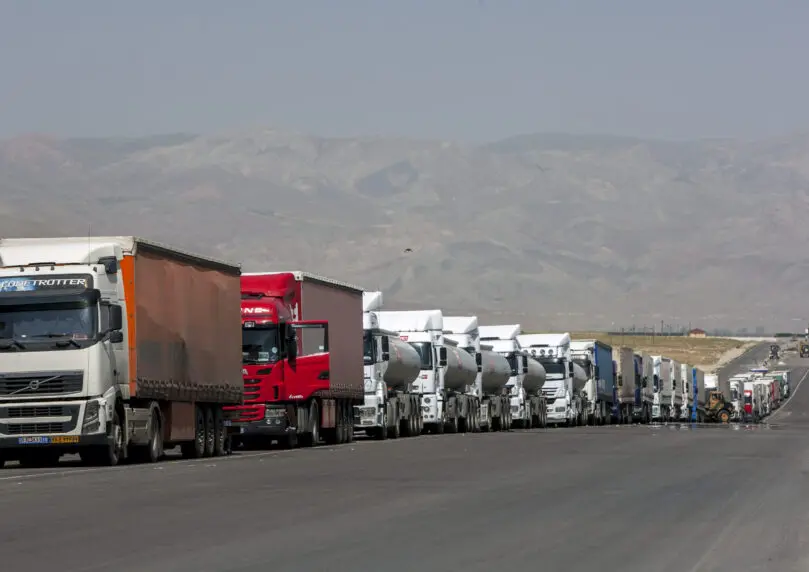
The American naval blockade is forcing Iran to shift trade to land routes, creating kilometer-long truck queues at the Turkish border. Wait times have stretched from days to weeks as overland crossings struggle with unprecedented volume.
Hundreds of cargo trucks have been snaking along highways leading from the Turkish border into Iran in recent days, as a U.S. naval blockade compels Tehran to divert an expanding share of its trade from maritime routes to land crossings. However, this alternate corridor is now buckling under the unprecedented strain, according to a report by the Associated Press.
Photo: ECOIRAN media
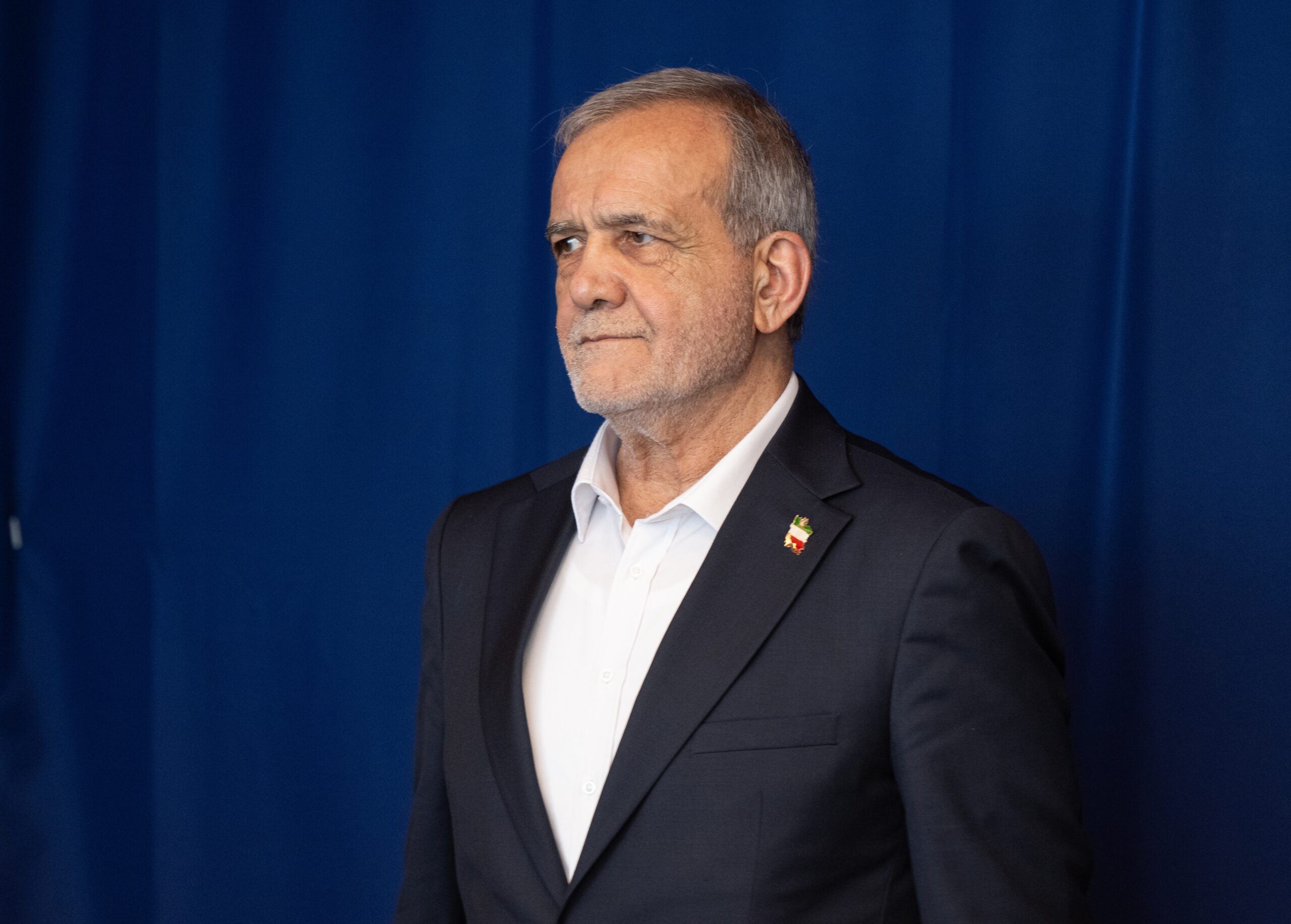
At the Gürbulak crossing in eastern Turkey—the largest border terminal connecting the two nations—the number of idling trucks has surged from a routine 200 to approximately 1,200. Queues stretch for miles, and waiting times, which drivers previously described as lasting a few days at most, have lengthened dramatically since the escalation of regional hostilities.
“I have been driving through this border crossing for 15 years, and I have never had to wait this long,” a 55-year-old Iranian truck driver hauling rubber cargo into Iran told the AP. According to him, the line stretched roughly seven kilometers. This severe congestion comes as Iran attempts to adapt to the American maritime embargo on its ports, which has sharply degraded Tehran’s ability to import basic commodities and export crude oil and gas—the lifeblood of the Iranian economy.
1+
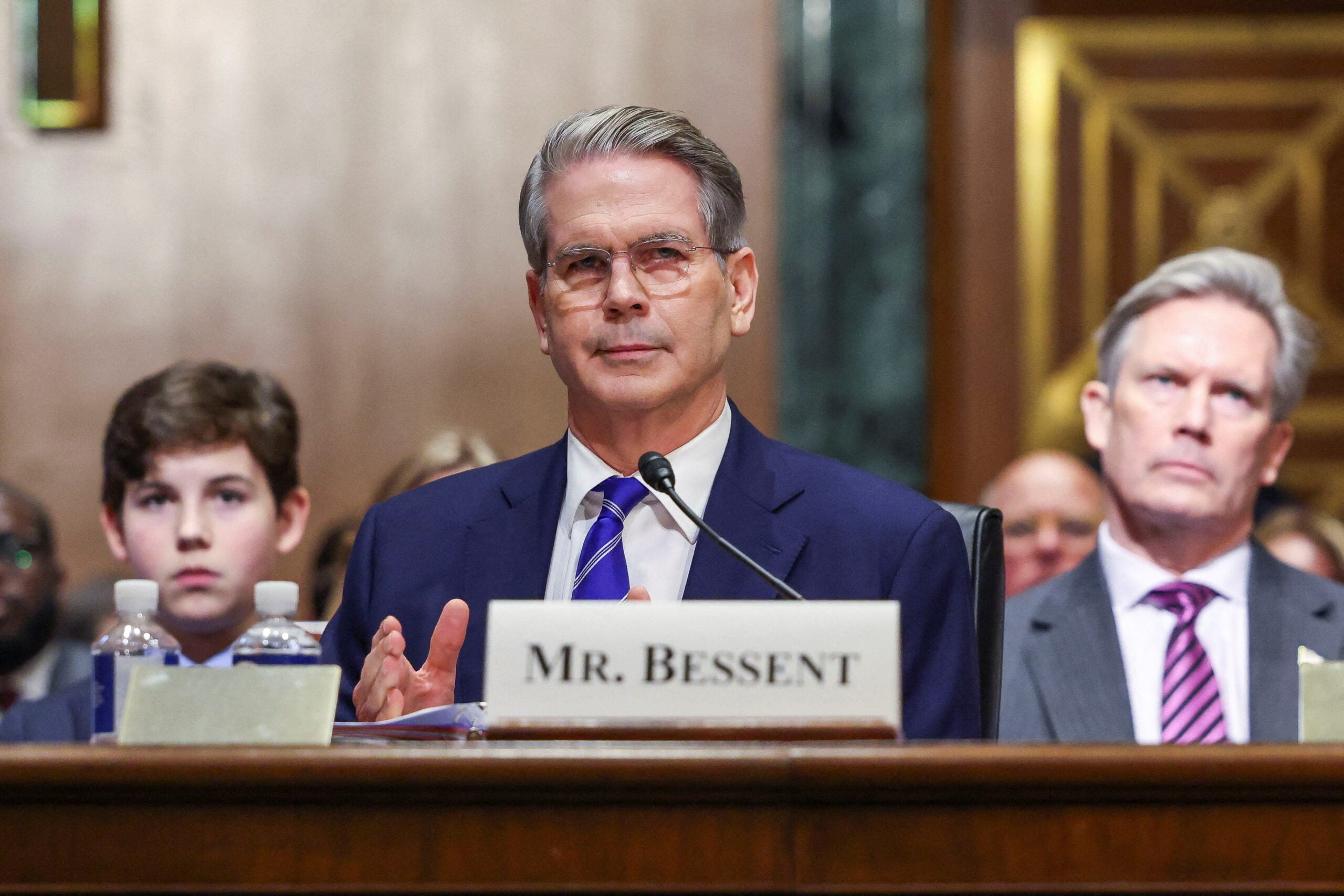
Pressure mounts on Tehran, U.S. Treasury Secretary Scott Bessent | Photo: Reuters
Tehran has publicly conceded the overwhelming congestion. Amir Roshanbakhsh Ghanbari, a senior official at Iran’s Trade Promotion Organization, acknowledged that the number of trucks at the crossing surged from 200 to around 1,200, noting that neighboring countries lack the physical customs infrastructure to process such a massive influx of freight vehicles.
The paralysis is also sparking intense frustration among Iranian long-haul truckers. Compounding the grueling border delays, drivers face spiking domestic diesel prices, skyrocketing replacement-part costs, and a steep decline in the monthly freight runs they can complete. One trucker recounted to the AP that while he previously completed two international round trips per month, he now manages only one. Other drivers noted that clearance delays on the Iranian side of the border can now drag on anywhere from 12 to 25 days.
1+
Iranian President Masoud Pezeshkian | Photo: Shutterstock
In response, Iran and Turkey are attempting emergency measures to boost throughput, with the Turkish side adding lanes and cargo X-ray screening gantries. Meanwhile, along Iran’s border with Pakistan, authorities plan to transition checkpoints to 24-hour operations and open an additional crossing.
Iranian President Masoud Pezeshkian accused Washington this week of waging a campaign of maximum economic coercion against his country. Nevertheless, officials in Tehran maintain that U.S. pressure will fail to extract strategic concessions in negotiations with Washington.





 1+
1+