


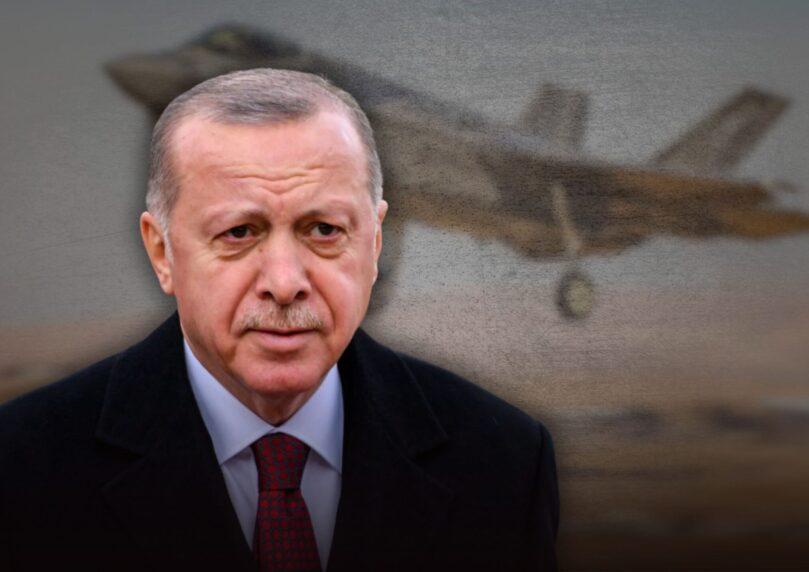

A complex military and diplomatic struggle is underway behind the scenes across the Middle East, as Israel actively works to prevent Turkey from acquiring the world’s most advanced stealth fighter—the American-made F-35. According to a report on the Turkish news portal Haber7 by journalist Mehmet Acet, Ankara came remarkably close to executing a creative workaround to unlock the aircraft: selling its stockpile of Russian surface-to-air missile systems to the United Arab Emirates. However, the report reveals that Israel stepped into the fray, exerting heavy diplomatic pressure on Emirati leadership to reject the Russian hardware and successfully throwing Ankara’s strategic gambit into disarray.

 2+
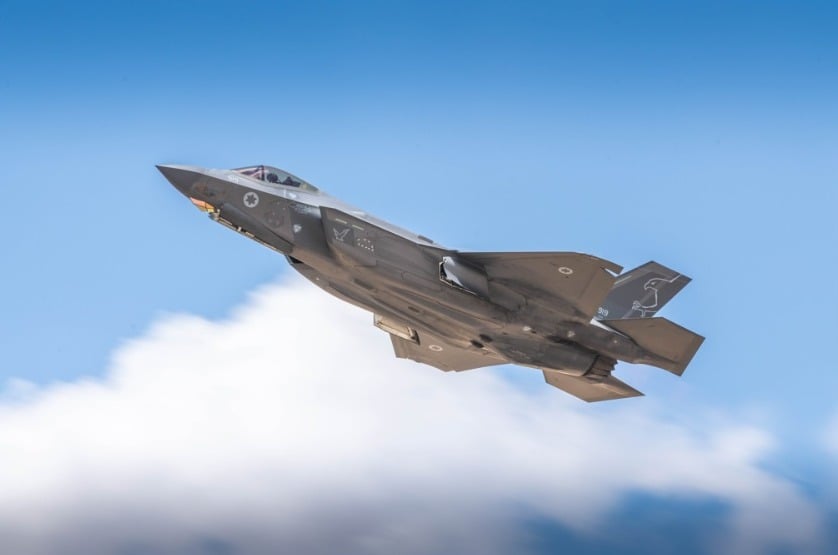
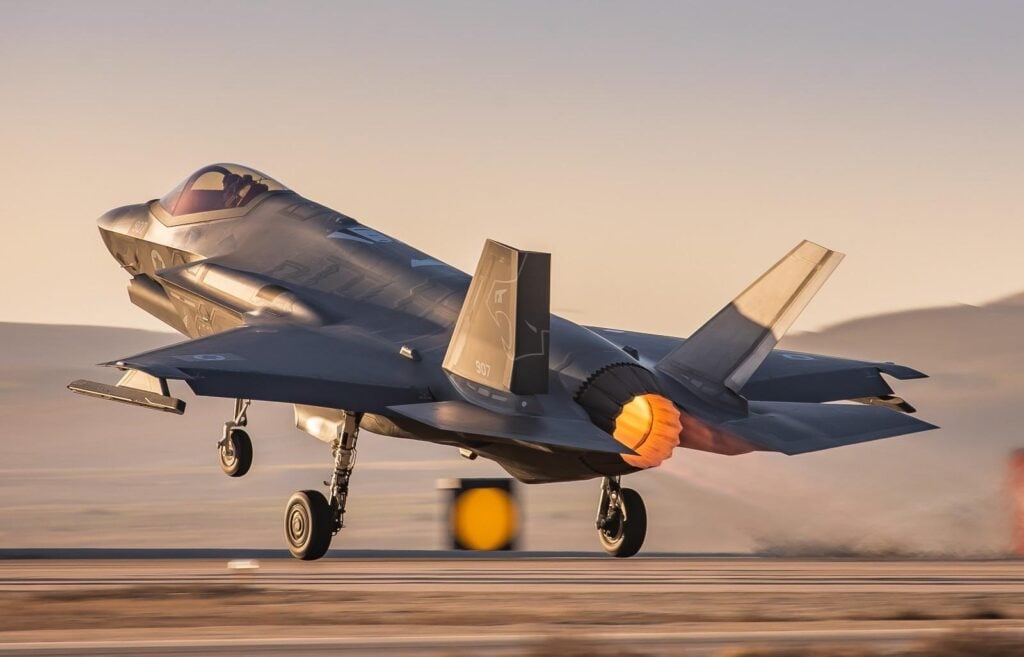
2+At the core of the drama lies the strategic supremacy afforded by the F-35. This fifth-generation multirole stealth platform operates virtually undetected by enemy radar suites and strikes with surgical precision. Israel remains the only power in the Middle East currently fielding the aircraft, forming the primary pillar of the Israel Air Force’s regional air superiority.
Ankara was originally slated to receive dozens of the stealth jets from the United States. However, in 2019, then-US President Donald Trump evicted Turkey from the multinational joint strike fighter consortium. The decision followed Turkish President Recep Tayyip Erdoğan’s purchase of the advanced S-400 air defense missile system from Moscow. The move sparked outrage in Washington over grave security concerns that Russian technicians could use the S-400 radars to compromise the F-35’s classified stealth signature, prompting the U.S. to slap sweeping defense and economic sanctions on Ankara under CAATSA.
 2+
2+The American precondition for reviving the deal remained absolute: so long as Russian strategic systems sit on Turkish soil, Ankara will receive no stealth fighters. To bypass this blockade, Turkish officials devised a calculated maneuver to transfer the S-400 batteries to the United Arab Emirates military. Significant progress toward a trilateral consensus between Moscow, Ankara, and Abu Dhabi was logged over the past summer—a transaction that would have purged Turkey’s record in Washington’s eyes and cleared the runway to demand delivery of the aircraft.
Yet according to Acet’s reporting, Jerusalem swiftly intervened. Recognizing that offloading the missiles would trigger the lifting of U.S. sanctions and hand Erdoğan a game-changing strategic platform that would erode the IDF’s regional qualitative military edge, Israeli leaders approached the UAE leadership directly, urging them not to procure the Russian systems. That sustained pressure led to a complete freeze on the transfer.
 2+
2+The revelation sheds light for the first time on the covert operational arm of Israel’s campaign, complementing actions already taken in public view. Prime Minister Benjamin Netanyahu has personally lobbied President Trump and given interviews to U.S. networks opposing the delivery. At the same time, Finance Minister Bezalel Smotrich previously acknowledged that Israel is working “tirelessly, openly and behind the scenes” to block the transaction. The new reporting shows that Israeli maneuvers were not confined to Capitol Hill and the White House, but proactively denied Ankara an international buyer for the Russian hardware blocking its path.
Despite Israel’s success in stalling the Emirati deal, Ankara refuses to abandon its goal. Acet noted that the Erdoğan administration is already formulating a “new mechanism” to divest itself of the Russian weapons through another avenue to satisfy the U.S. Congress and administration. Meanwhile, U.S. Ambassador to Turkey Tom Barrack recently said bilateral security discussions remain active, expressing confidence that the dispute will ultimately be resolved while underscoring Turkey’s critical role as a frontline NATO ally.