



The Gulf states do not want another war with Iran right now. Their overriding objective is to defuse tensions, stabilize the region, and, above all, stop bearing the heaviest burden of critical infrastructure damage, disrupted tourism, and economic toll. Following a meeting between Gulf leaders and Donald Trump, a senior source in the United Arab Emirates royal court outlined the unified line presented during the discussions.

 1+
1+The strategic approach was unambiguous: prevent escalation at this time, advance a joint defense framework to guarantee mutual security, and secure a direct role in negotiations between the United States and Iran as fully vested partners. However, it is essential to emphasize: the desire to end the war does not mean the Gulf states are willing to make concessions to Tehran. Emirati officials stress that their national defense is strictly non-negotiable, while continuing to view Israel as a crucial strategic partner in the region.
Furthermore, the Gulf monarchies are determined that neither Washington nor Tehran forge an agreement over their heads. They seek to preserve an open diplomatic channel with Iran, but insist on remaining inside the process to shape the contours of any future settlement directly.
 1+
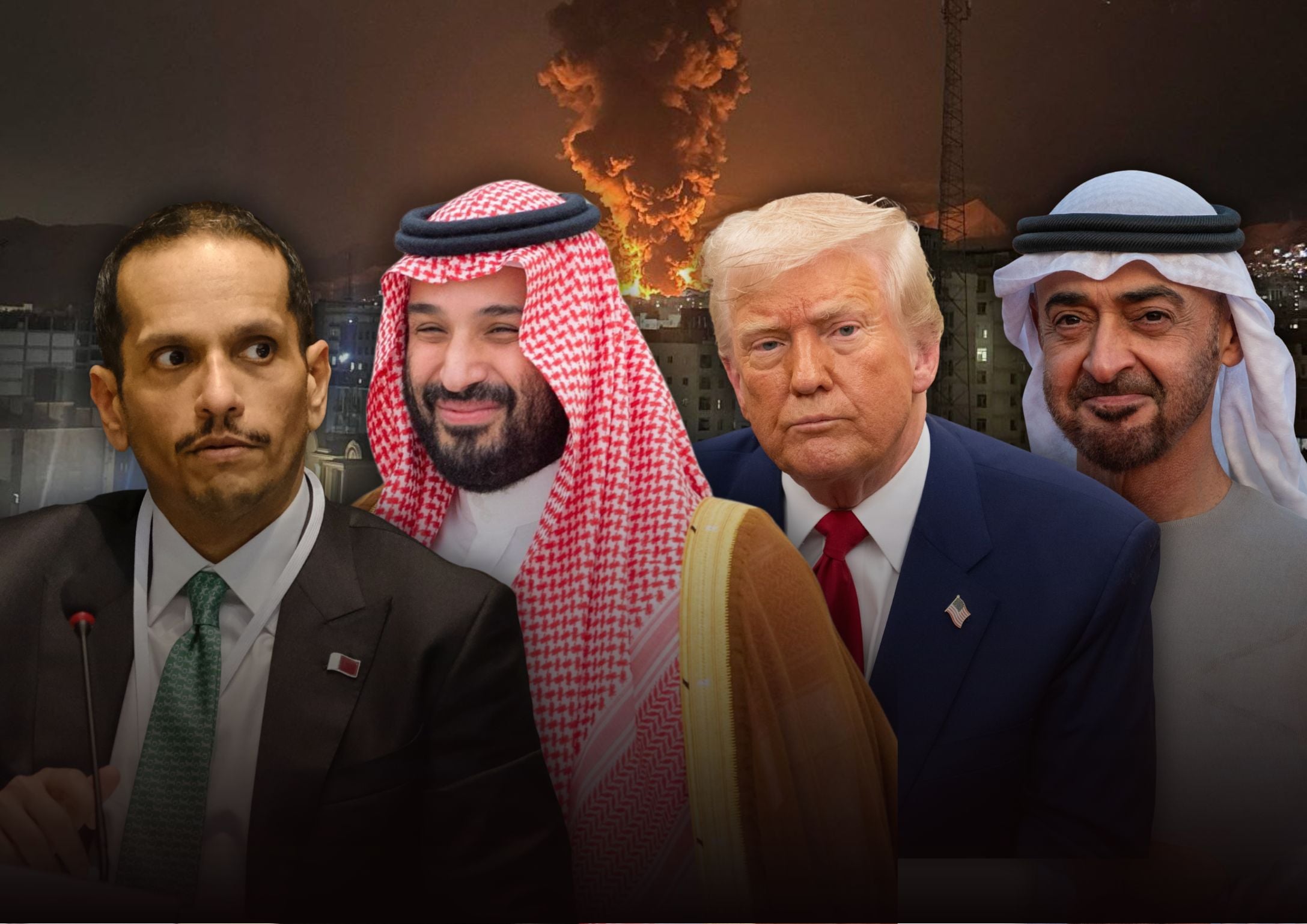
1+At the same time, substantial question marks remain regarding Trump. Across Gulf capitals, officials are not convinced at this stage that he will necessarily follow through on his threats, and they expect significantly greater consistency from the United States—fewer decisions imposed upon them, and ironclad reassurance that they will not ultimately be left facing Iran alone.