


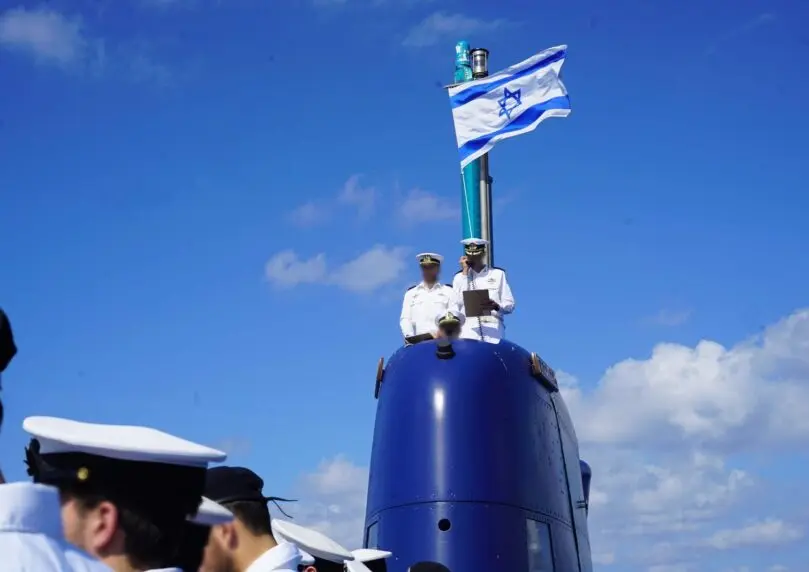

Marking a major strategic upgrade for the Israeli Navy and the IDF’s strike capabilities, the military’s newest submarine, INS Drakon, has arrived in Israel after more than 12 years of planning and construction and a month-long sea voyage from Germany. The vessel, the sixth submarine in the Israeli fleet and the third and final installment of the Dolphin AIP (Air-Independent Propulsion) class, is approximately 30% larger than legacy Dolphin submarines. It gives Israel prolonged submerged endurance, unprecedented operational range, and maximum stealth across distant and sensitive theaters.

 5+
5+INS Drakon stretches over 70 meters long; when surfaced, less than one-fifth of its hull is visible above water. The vessel’s technological masterpiece is its AIP propulsion system, which uses hydrogen fuel cells and liquid oxygen to generate power and recharge onboard batteries while submerged.
 5+
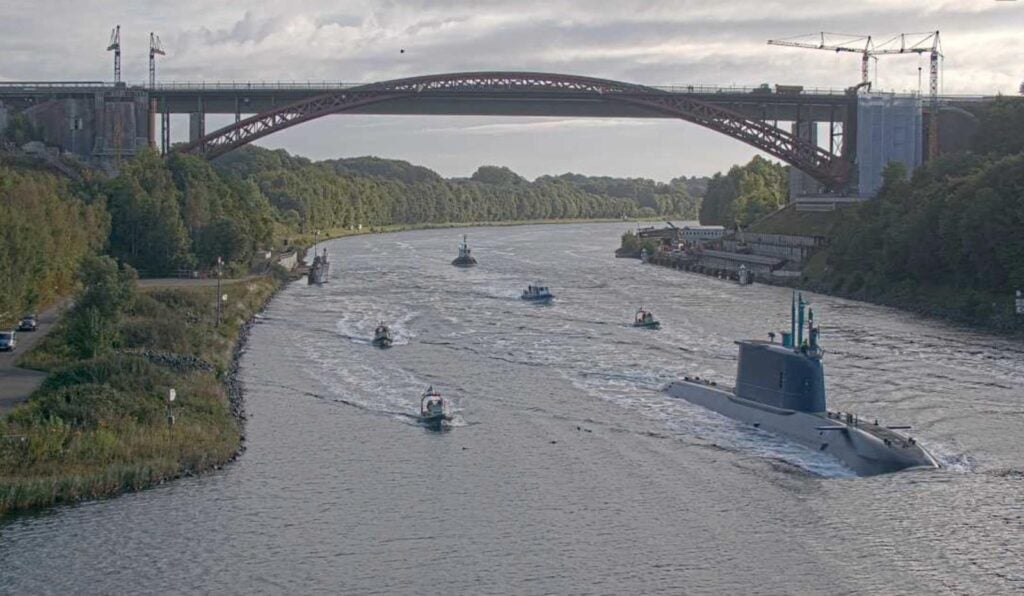
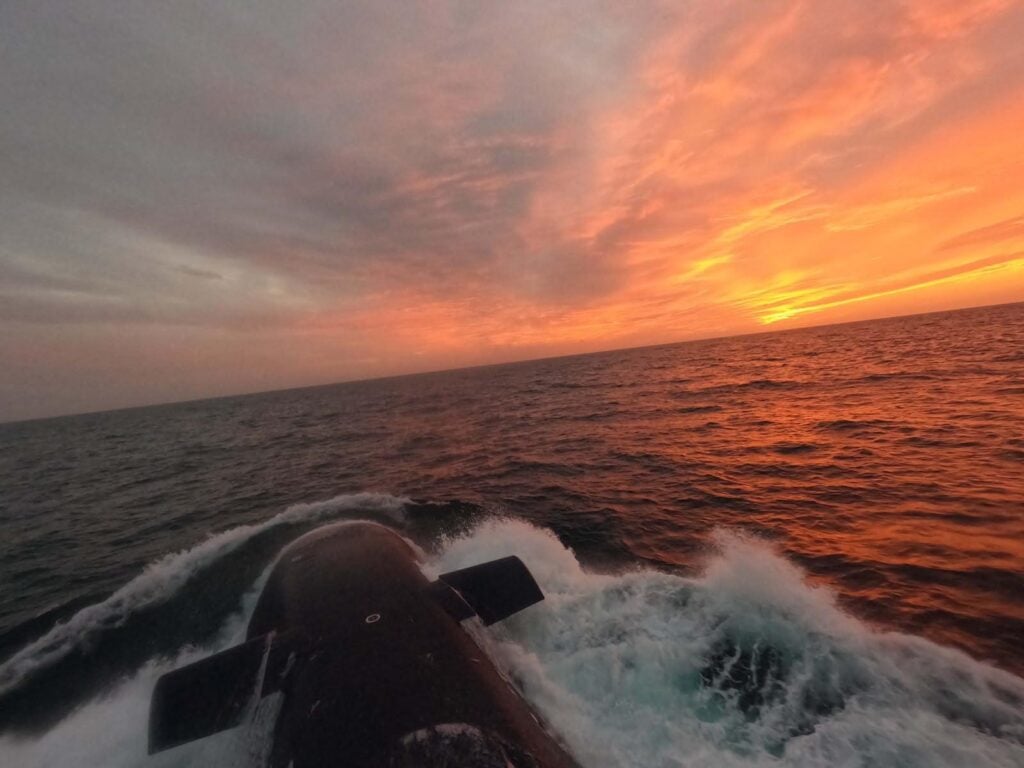
5+This propulsion system enables the submarine to operate in deep waters for extended periods without snorkeling or surfacing for air, maximizing the operational concealment essential for intelligence-gathering missions, harbor chokepoint control, and the neutralization of hostile surface vessels.
 5+
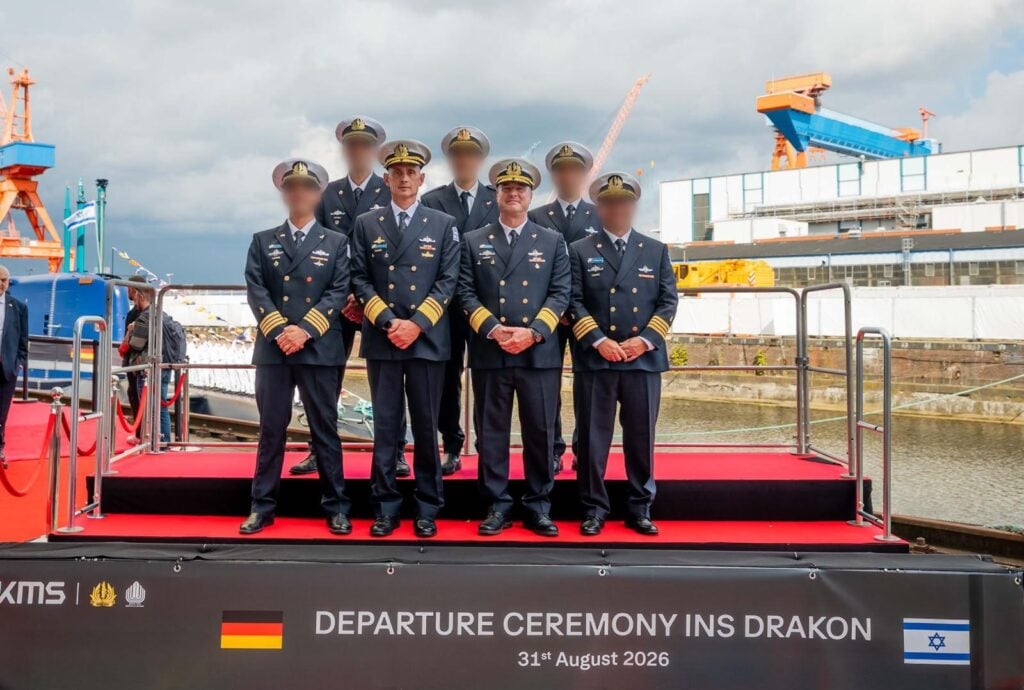
5+The submarine’s complex maritime voyage spanned about 4,000 nautical miles (around 8,000 kilometers) over a month. Departing from the ThyssenKrupp Marine Systems (TKMS) shipyards in Kiel, Germany—where the Israeli ensign was hoisted earlier this month—the route crossed the Atlantic Ocean, traversed the Strait of Gibraltar, and continued through the Mediterranean Sea. The multi-billion-shekel program was directed over more than a decade by a dedicated Israeli naval mission stationed in Germany for nearly 20 years, bringing together IDF naval officers, engineers, and personnel from the elite Shayetet 7 submarine flotilla alongside the German Ministry of Defense and the German Navy.
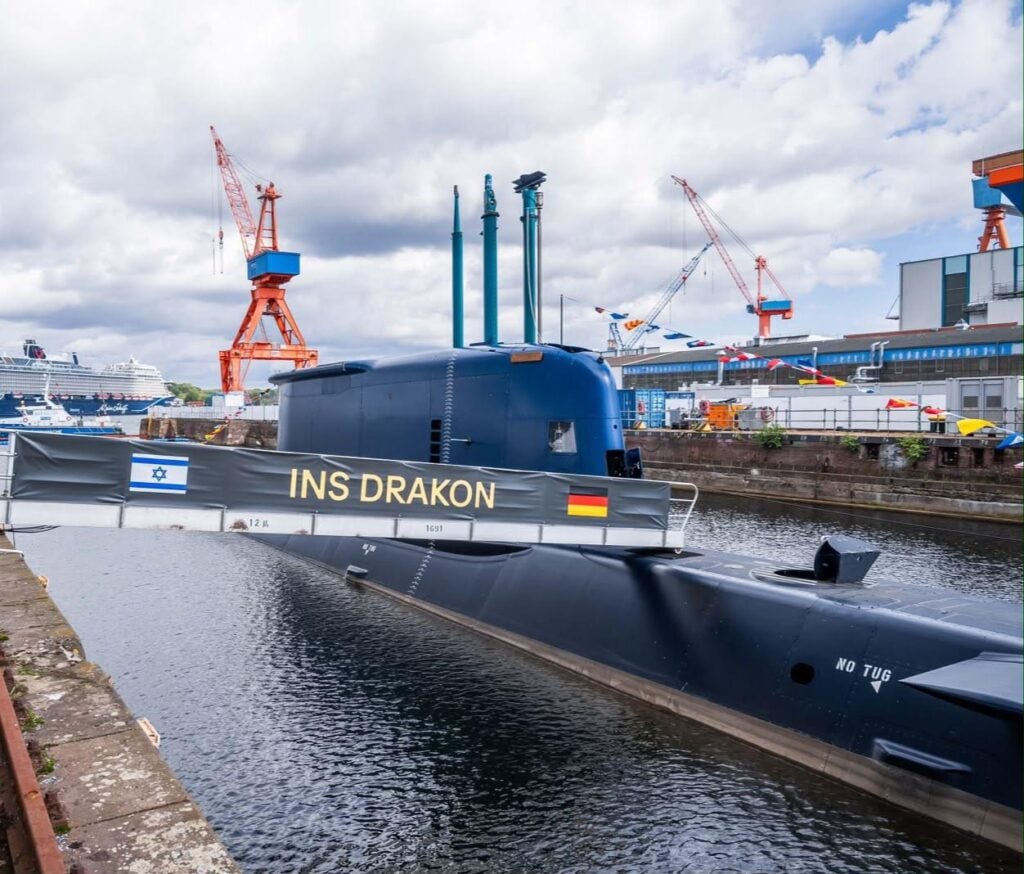 5+
5+IDF Chief of Staff Lt. Gen. Eyal Zamir addressed the submarine’s deployment as it transited the Mediterranean: “At this very moment, INS Drakon, the sixth submarine of the State of Israel, is making its way home. It symbolizes, more than anything, the profound transformation the Navy has undergone into a powerful strategic arm capable of reaching every destination across the Middle East and beyond.” Zamir emphasized that the submarine’s induction is part of a broader force build-up that will in the future include new Reshef-class missile corvettes, designed to expand sustained firepower and sea-control capabilities.
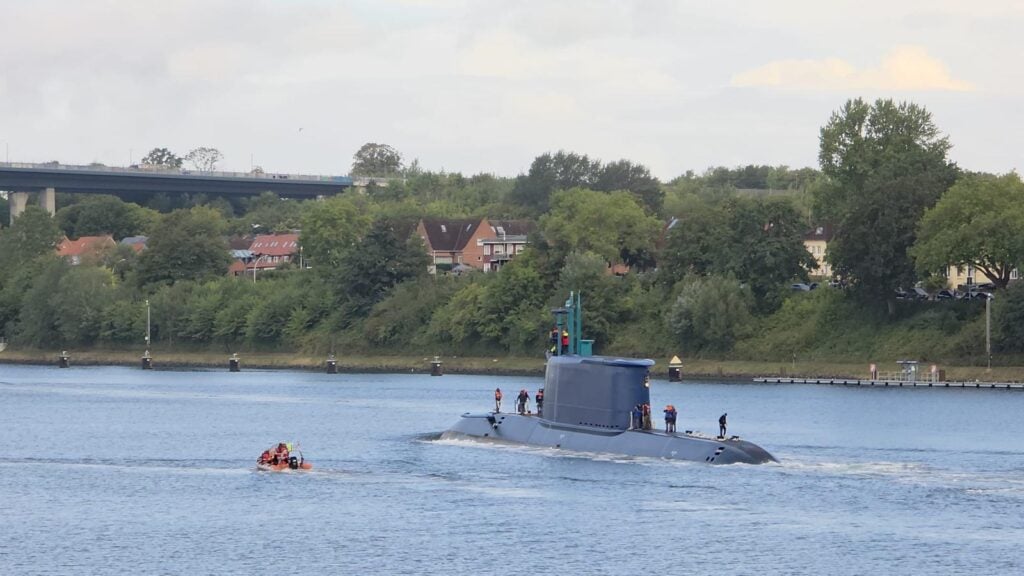 5+
5+The Israel Navy’s submarine force remains one of the military’s most semilitary’sd sensitive operational branches, with the overwhelming majority of its missions classified. Flotilla submariners operate for weeks at a time, completely cut off from the outside world, managing complex weapons and sensor suites in contested maritime environments.
 5+
5+While the delivery of INS Drakon concludes the Dolphin-II AIP procurement program, production in Germany is already advancing on the fleet’s next iteration- the Dakar class—slated to replace the Navy’s oldest Dolphin-II submarines in the coming decade. Integrating INS Drakon into active service gives Israel renewed strategic depth: the ability to reach farther, stay submerged much longer, and operate deep behind enemy lines without leaving a trace.