


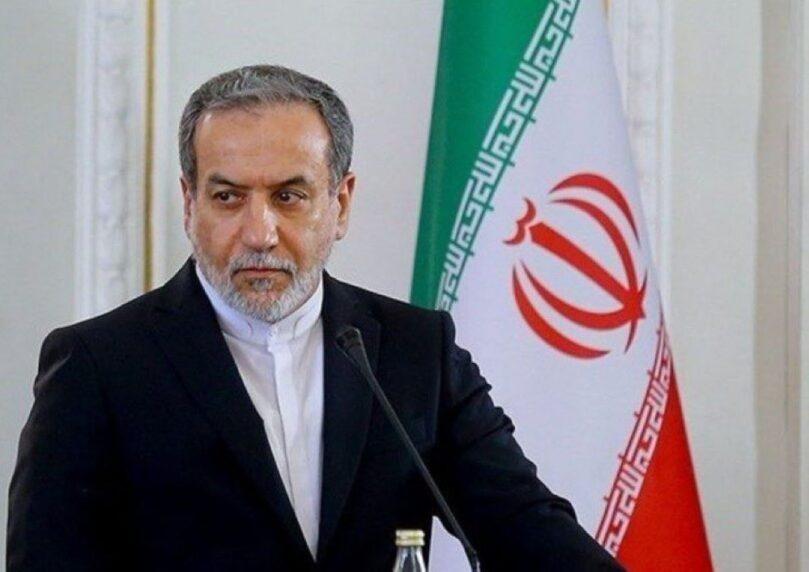

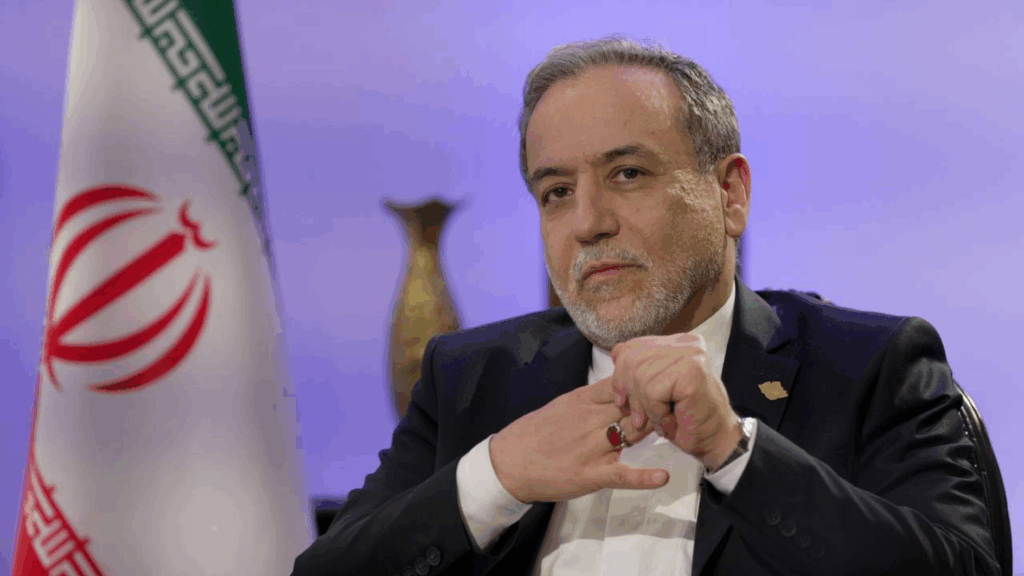
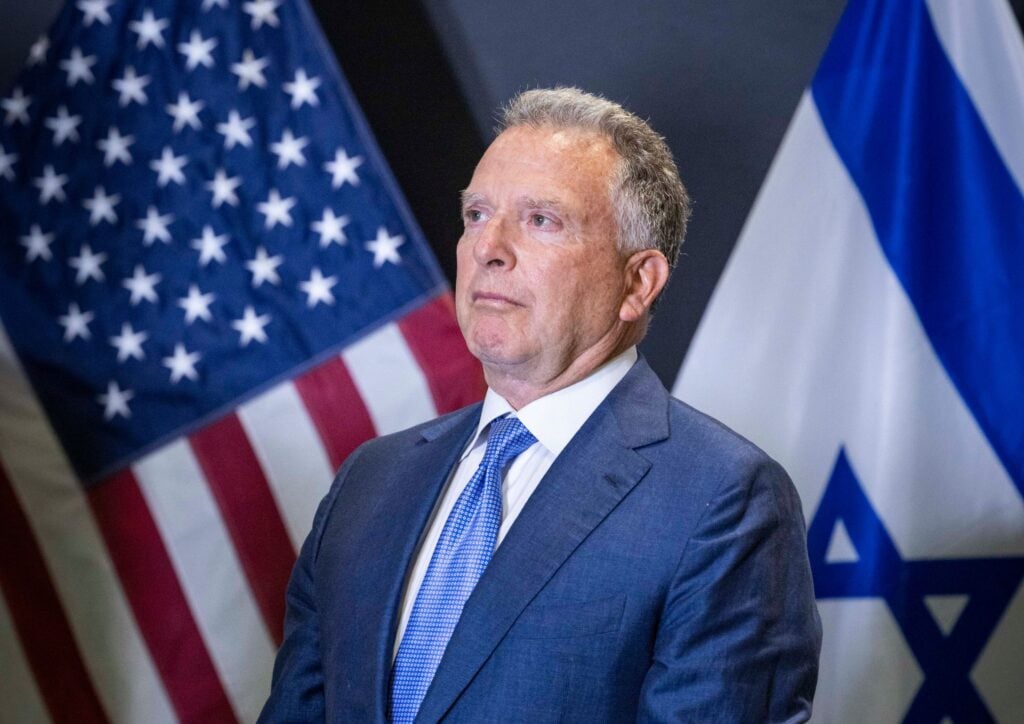
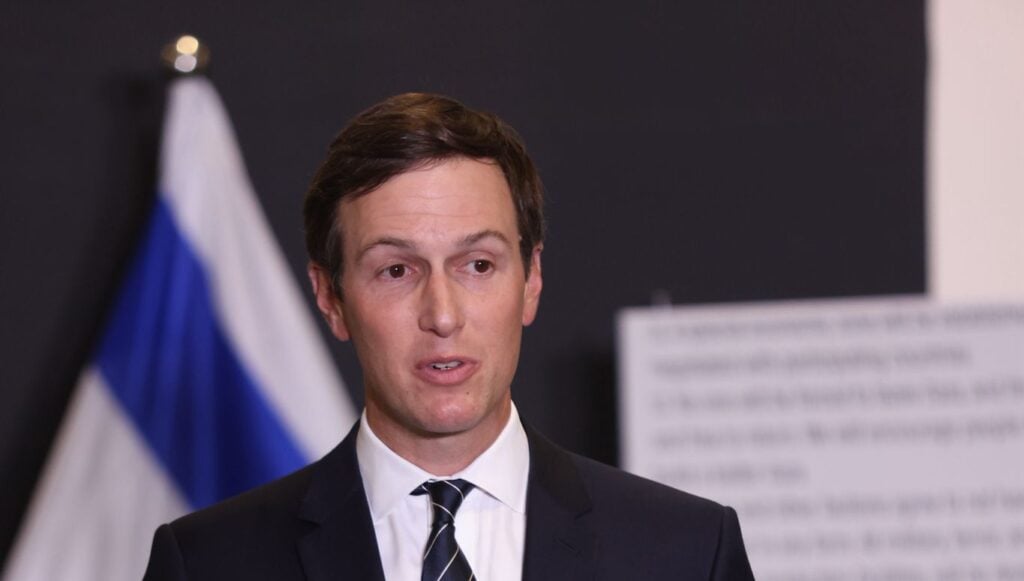
The clandestine diplomatic backchannel between Washington and Tehran escalated to the highest direct political level on Tuesday evening: Iranian Foreign Minister Abbas Araghchi met face-to-face with U.S. Presidential Special Envoy Steve Witkoff and Jared Kushner for an intensive, marathon discussion lasting approximately three hours on the sidelines of the United Nations General Assembly in New York. The direct meeting was facilitated and brokered by Qatar and Pakistan, which applied heavy diplomatic pressure on both sides to construct a diplomatic framework that would avert a descent into direct military confrontation.

 2+
2+At the core of the discussions was a blueprint for a potential bilateral framework between the United States and Iran, with the mediating nations advancing an initial interim arrangement to reduce acute regional friction. U.S. President Donald Trump publicly confirmed the meeting shortly after its conclusion, offering a direct account: “Today a meeting took place about an hour ago. It went very well. It concluded an hour ago. It lasted three hours. It was a very good meeting.”
Along with his constructive tone regarding the fact that the talks took place, Trump laid down an unequivocal ultimatum defining the crossroads facing Tehran: “It’s greatness, potential for greatness, or destruction. In one case, it’s destruction; in the other, it’s potential for greatness. She can be a great country.” Trump added that Iranian officials maintained continuous contact with his team throughout the day and expressed optimism that a resolution would ultimately be reached, while emphasizing that the United States will never permit Iran to acquire nuclear weapons.
 2+
2+According to diplomatic sources, regional Arab nations orchestrated the engagement, leveraging the simultaneous presence of senior U.S. administration figures and the Iranian delegation in New York to break the diplomatic impasse. Araghchi, leading Iran’s diplomatic delegation, made a scheduled stopover in Doha en route to the United States to align parameters with senior Qatari officials. Alongside Pakistan, Qatar pressed both parties aggressively to return to the negotiating table.
The defining breakthrough on Tuesday was the shift to direct, senior-level in-person engagement. Just two months ago, when Witkoff and Kushner traveled to Doha for exploratory discussions, Qatari officials clarified that no direct meetings took place between the American delegates and Iranian representatives, with talks conducted strictly via proximity mediators. This time, Iran’s minister sat directly across the table in the same room with two of Trump’s confidants, hours after the U.S. president delivered an address before the General Assembly threatening the use of military force while keeping the door open to an agreement.
 2+
2+Alongside the potential for a breakthrough, diplomatic and security analysts do not rule out the possibility that the talks represent calculated tactical maneuvering by both adversaries:
-
For the Trump Administration: Projecting diplomatic flexibility through marathon talks may serve as an operational smoke screen intended to keep Tehran off balance, build international legitimacy, and establish proof that every peaceful avenue was exhausted before authorizing direct military strikes or escalating secondary sanctions to maximum thresholds.
-
For the Regime in Tehran: Iranian leadership remains acutely aware of Washington’s domestic political calendar. Engaging in negotiations offers a classic delay strategy—projecting nominal flexibility to postpone immediate military retaliation and dragging out contacts until the U.S. midterm elections, hoping to shift Congressional balances or erode the administration’s leverage across the Middle East.