


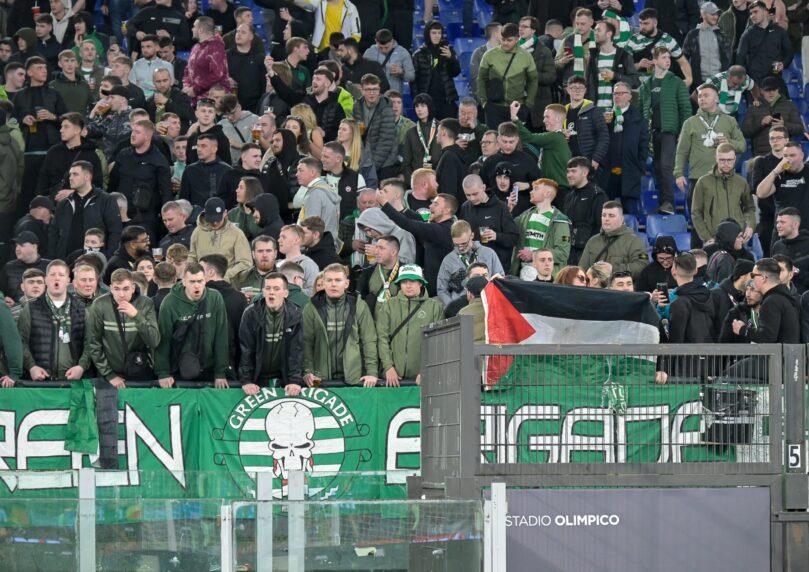

The Israeli national football team is set to face the Republic of Ireland in the upcoming UEFA Nations League international window. After the Football Association of Ireland (FAI) Chief Executive David Courell announced that the team will show up because he “must do his job,” widespread calls have surfaced across Ireland to boycott the fixtures over the conflict in the Gaza Strip.
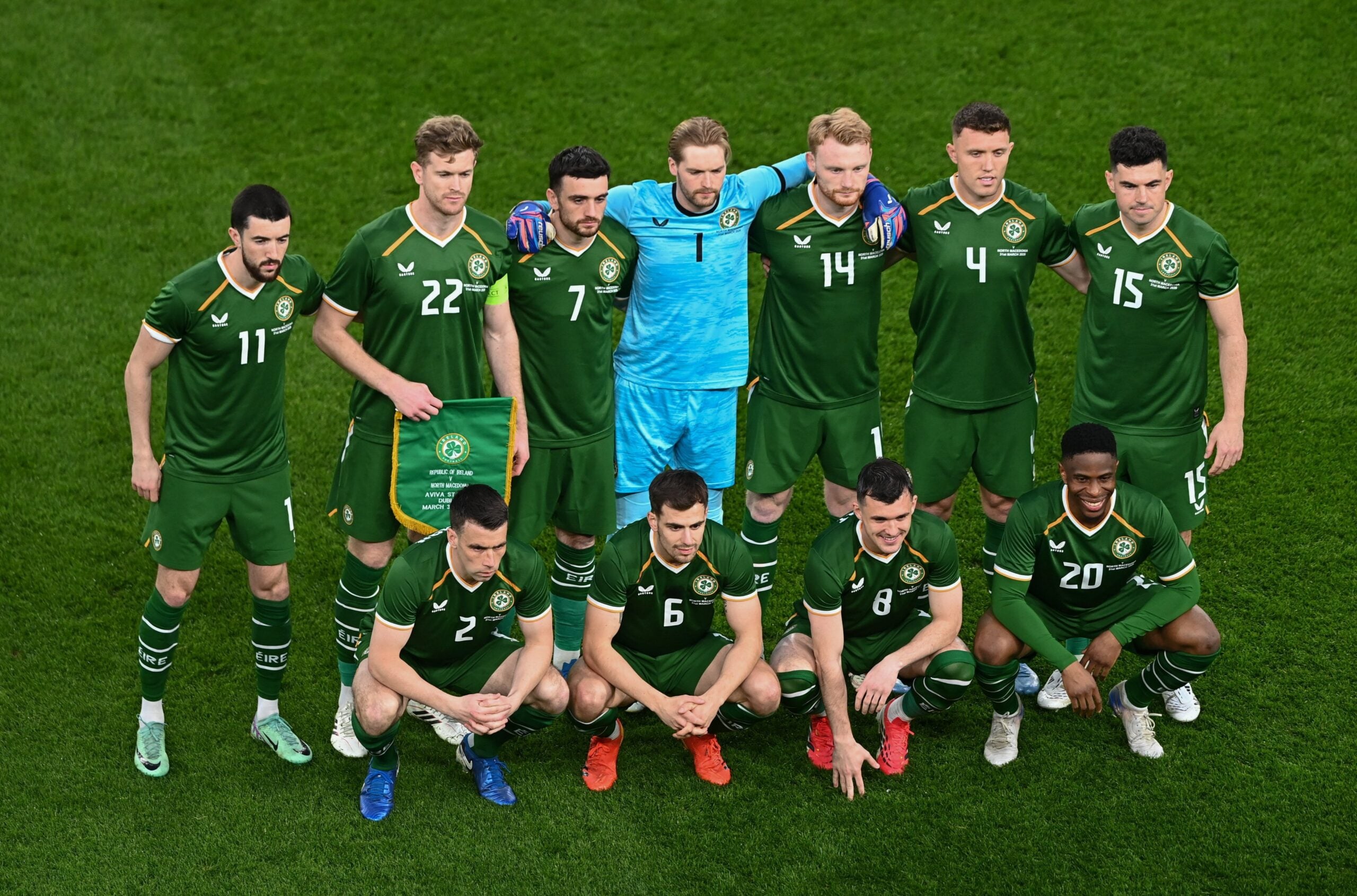
In opinion editorials and letters to editors across Irish media, critics have fiercely attacked sports administrators and the government in Dublin for proceeding with the matches as scheduled. Opponents argue that attempts to separate sport from politics are unjustified, contending that forfeiting a moral stance to avoid UEFA financial penalties and regulatory sanctions amounts to capitulating to balance sheets at the expense of core principles.
Critics cited historical sporting boycotts as well as Irish state broadcaster RTÉ’s previous decision to sit out the Eurovision Song Contest, arguing it creates a bizarre paradox where the nation refuses to sing alongside Israel but agrees to play football against it. Detractors added that the association and the Dublin government have abandoned national team manager Heimir Hallgrímsson and the squad to absorb public backlash alone.
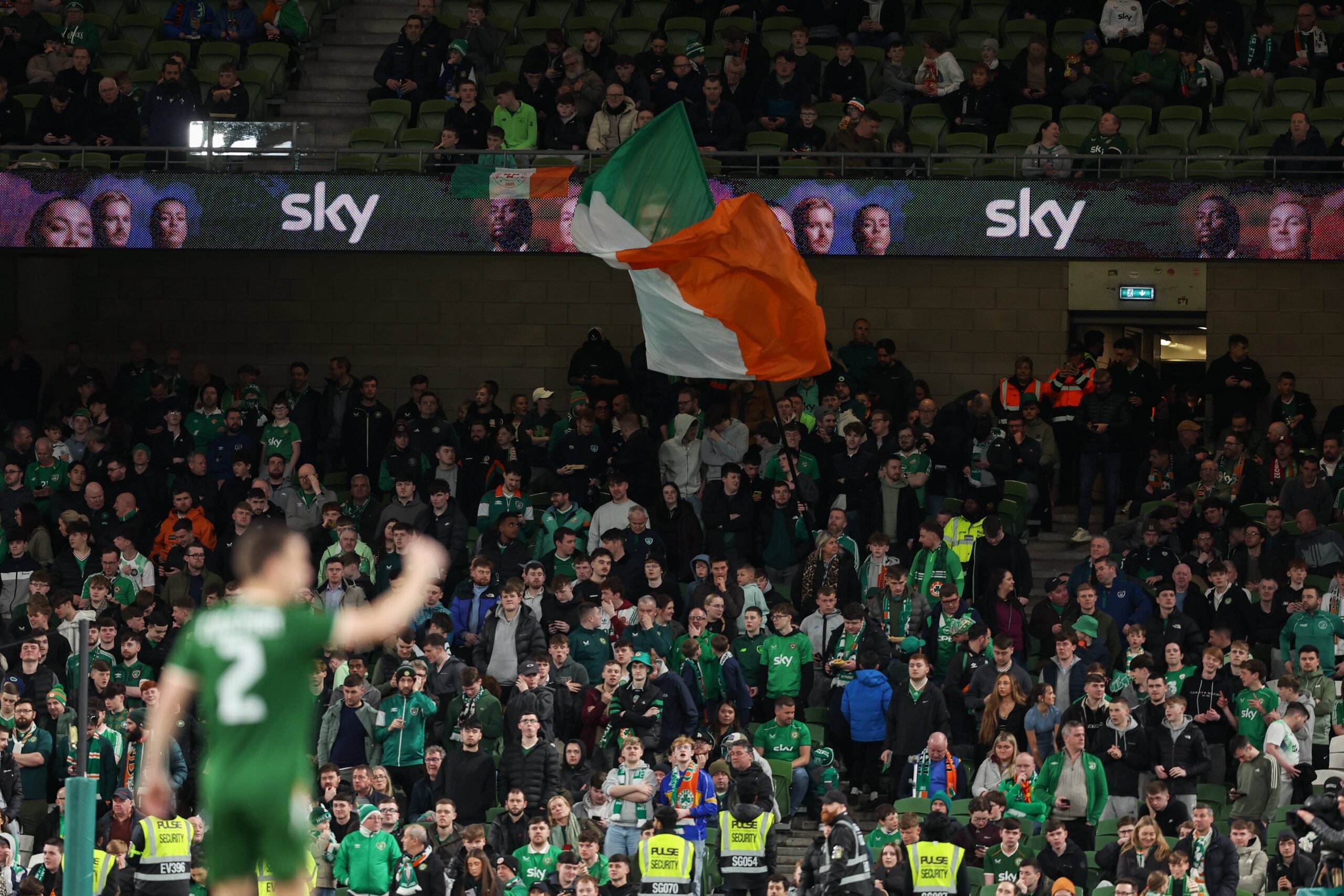
Conversely, the FAI emphasized that forfeiting the fixtures would trigger automatic point deductions, technical forfeits, heavy financial penalties, and potentially catastrophic downgrades to the national team’s seeding coefficient for future European and World Cup qualifying draws. The League B Nations League fixtures are scheduled for late September and early October, with both matches taking place in neutral European venues behind closed doors for security reasons.
At the Israeli national team camp, players have decided not to exchange jerseys with Irish players after the match, protesting inflammatory public remarks by Irish figures leading up to the game. Whether Israeli players will participate in pre-match handshakes has yet to be finalized.