


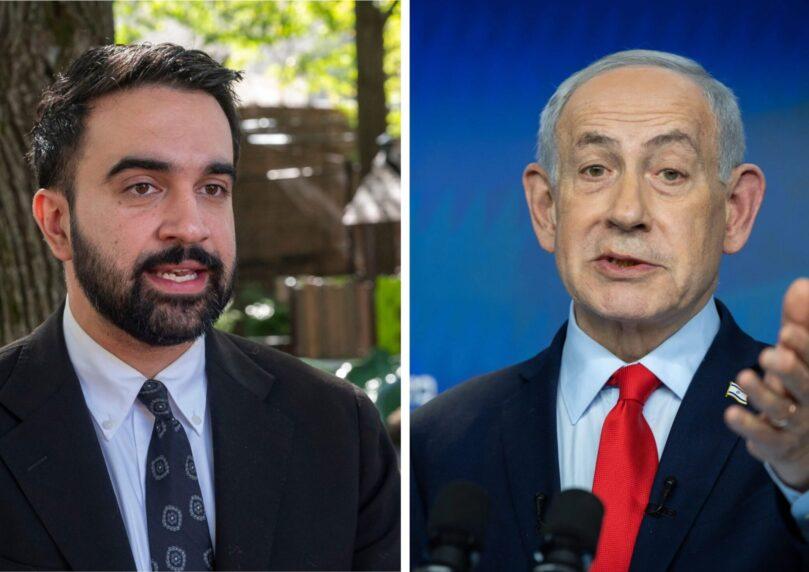
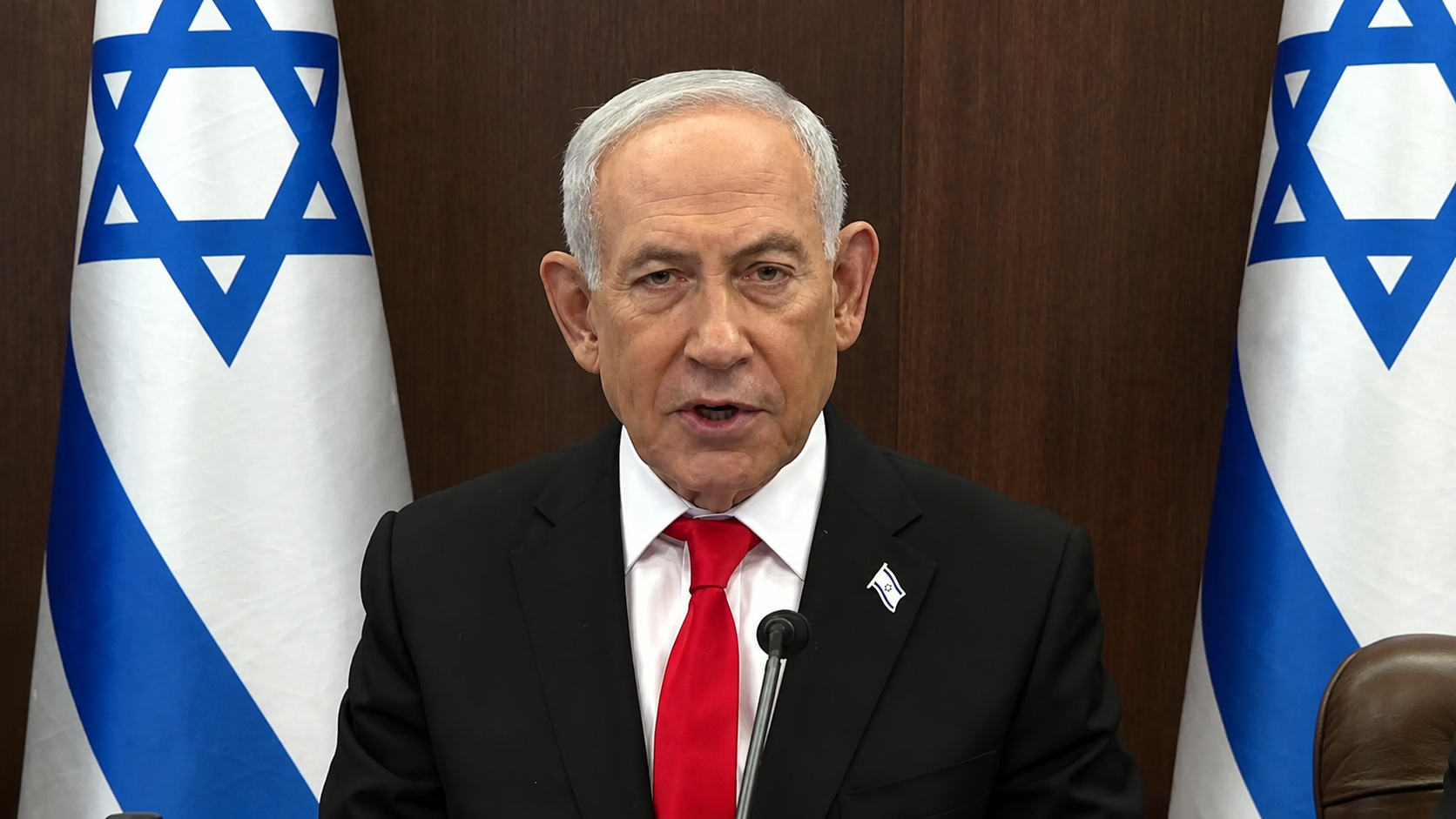
Against the backdrop of the opening of the United Nations General Assembly and the anticipated arrival of Prime Minister Benjamin Netanyahu to address the plenary, New York City Mayor Zohran Mamdani launched a scathing personal attack against the Israeli leader on Tuesday, labeling him a “war criminal and architect of genocide of the ‘Palestinian’ people.”

 2+
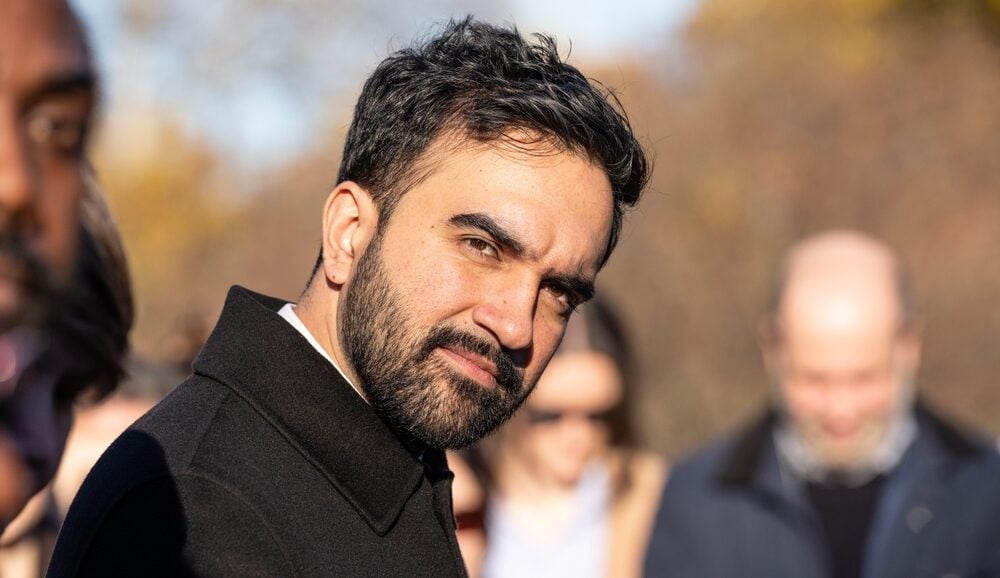
2+In an exclusive interview with CNN, Mamdani reiterated his hostile posture toward the Israeli premier: “When it comes to Benjamin Netanyahu, I have described him as I believe him to be—a war criminal and an architect of a terrible genocide of the ‘Palestinian’ people.” Mamdani also invoked the arrest warrants issued by the International Criminal Court (ICC), noting that the issue was discussed during his meeting with the Mayor of The Hague: “If the International Criminal Court calls for the arrest of someone for violating these laws, who are we to say that anyone should be above that? I plainly believe that everyone must be held accountable.”
 2+
2+Conversely, Mamdani was forced to acknowledge that he possesses absolutely no legal jurisdiction to arrest Netanyahu—openly walking back his controversial campaign pledges, during which he vowed to instruct the New York City Police Department to detain the Israeli prime minister should he set foot in the city. His remarks come as anti-Israel groups organize protests across Manhattan opposing Netanyahu’s high-profile visit to the UN General Assembly. Despite his incendiary rhetoric, Mamdani clarified that he does not plan to participate in the street protests himself. The confrontation surrounding Netanyahu plays out against an unusual and complex domestic political landscape in the United States, underscored by the burgeoning relationship between Mamdani—a Democratic Socialist and New York City’s first Muslim mayor—and President Donald Trump.
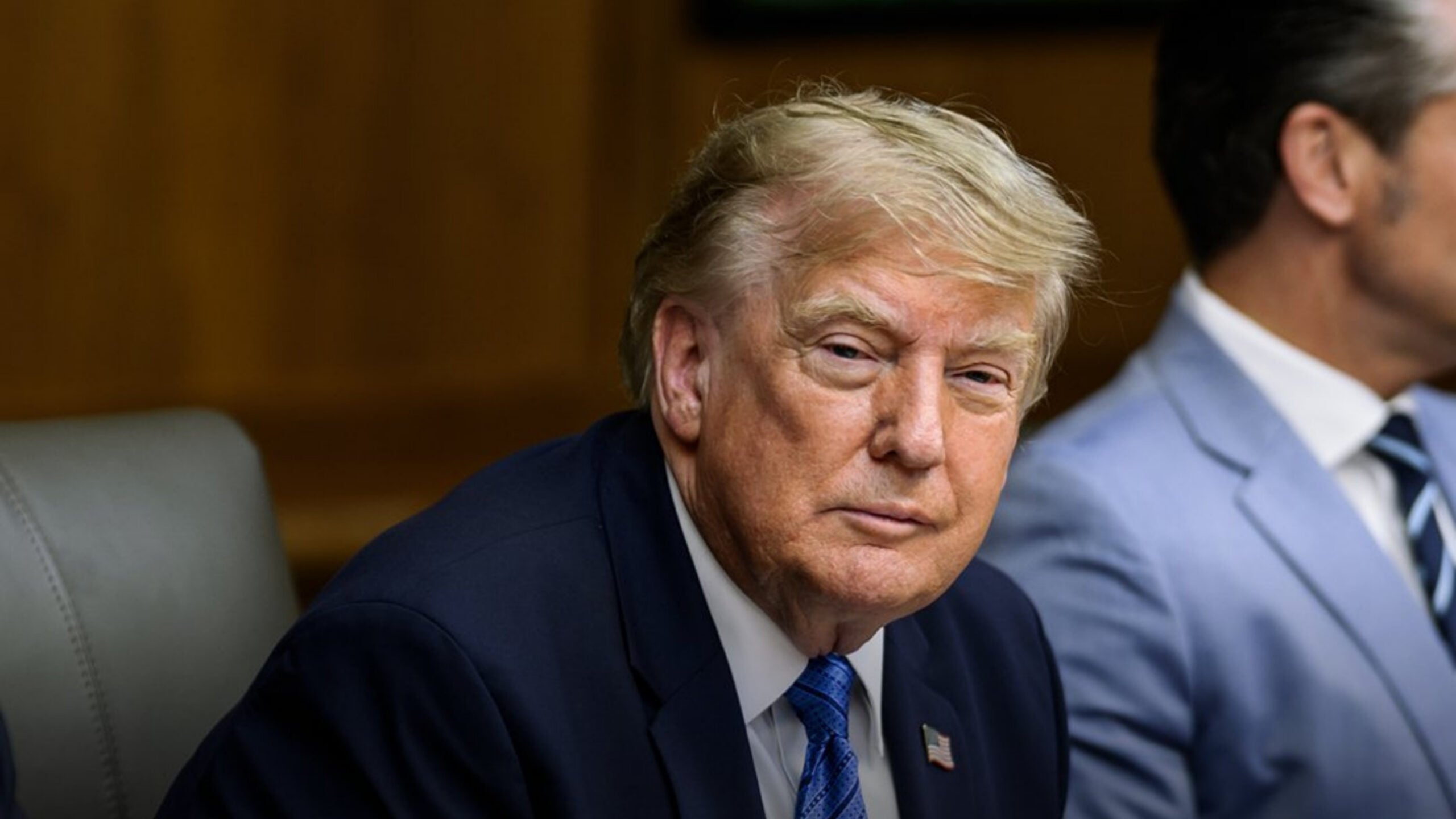 2+
2+The two leaders met this week at Gracie Mansion, the mayor’s official residence, marking the first visit by a sitting US president to the historic site in 45 years. Despite their stark ideological divide and a long history of exchanging vitriolic barbs—in which one branded the other a “little communist” while the other countered with “fascist”—the two men projected a remarkably smiling, cordial front. Trump surprised observers by offering supportive remarks regarding Mamdani: “I certainly hope he is going to be a great mayor. I want what’s good for New York, I want what’s good for the country.” The pragmatic rapport between the two figures has left political observers watching closely to see where this improbable alignment leads.