


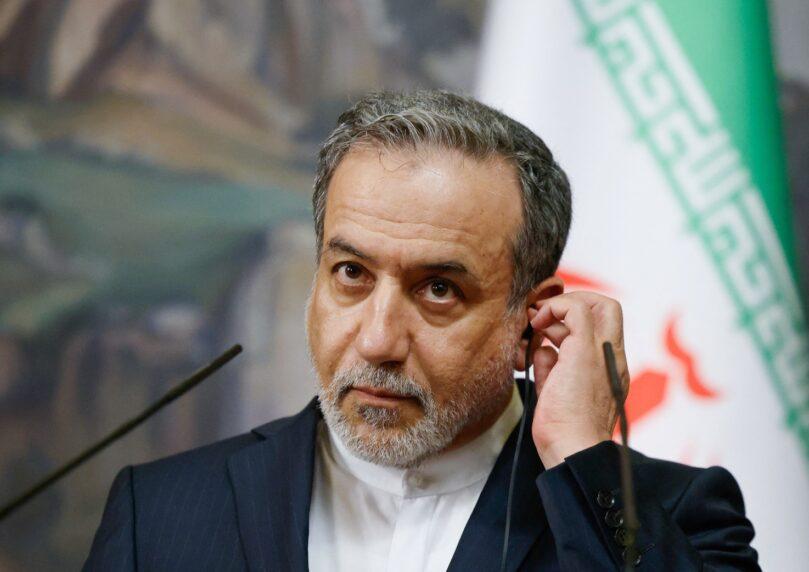

Iranian Foreign Minister Abbas Araghchi arrived in New York on Monday ahead of the United Nations General Assembly, arriving as Iran and the United States remain locked in open military conflict and regional tensions remain exceptionally high. Iranian Foreign Ministry spokesperson Esmaeil Baghaei said that, alongside his participation in formal UNGA events, Araghchi will use his visit to hold an extensive series of meetings and consultations with foreign ministers and senior dignitaries attending the assembly.

 7+
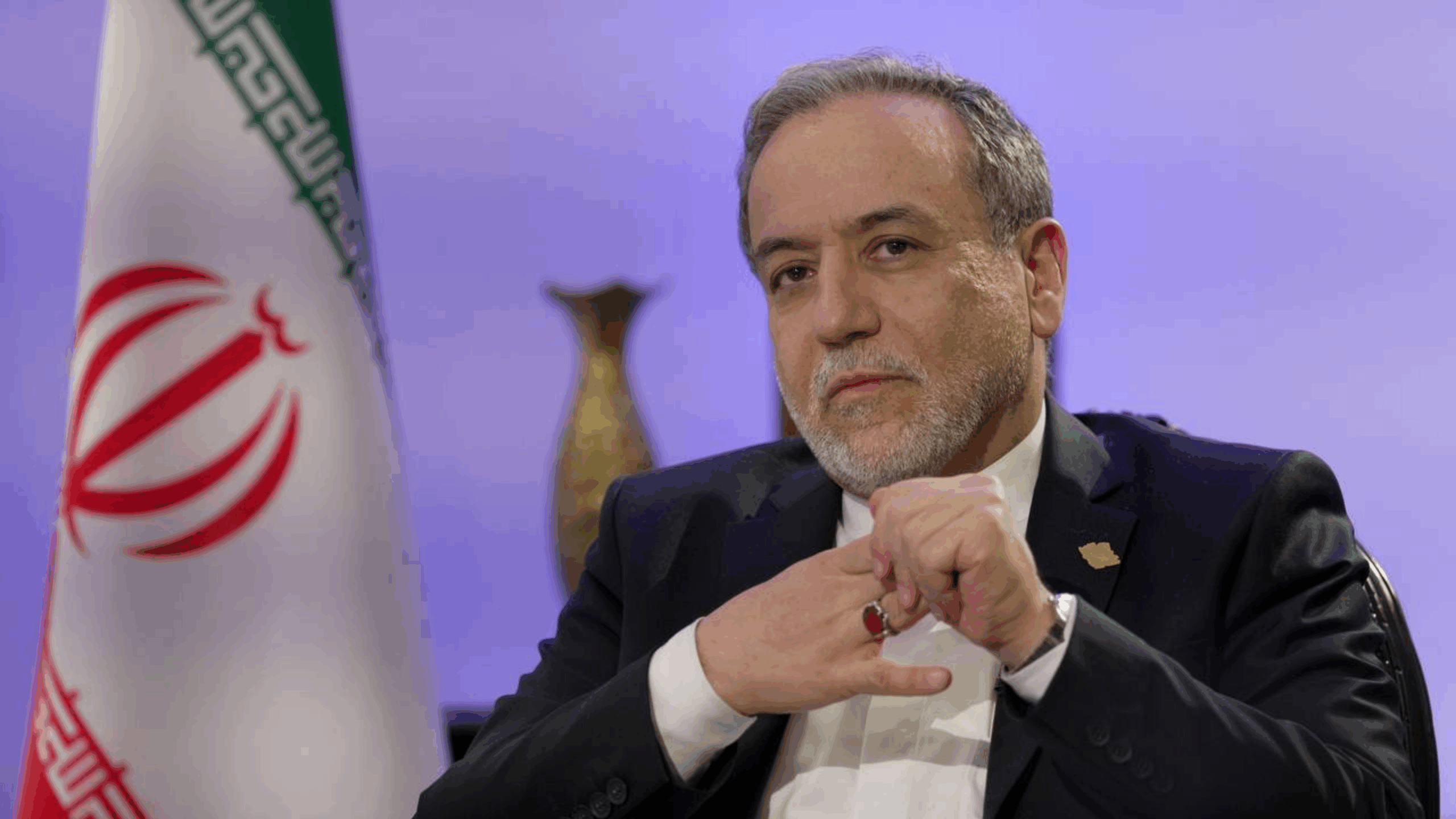
7+According to Baghaei, “In addition to addressing various agenda items at the UN General Assembly and setting forth the positions of the Islamic Republic of Iran, our country’s Foreign Minister will hold discussions and consultations with numerous officials and foreign ministers taking part in the gathering.” Araghchi arrived in New York following a transit stop in Doha, where he conferred with senior Qatari officials. Iranian President Masoud Pezeshkian is also scheduled to attend the assembly and address the general plenary.
Delegation Admitted Under Strict Restrictions
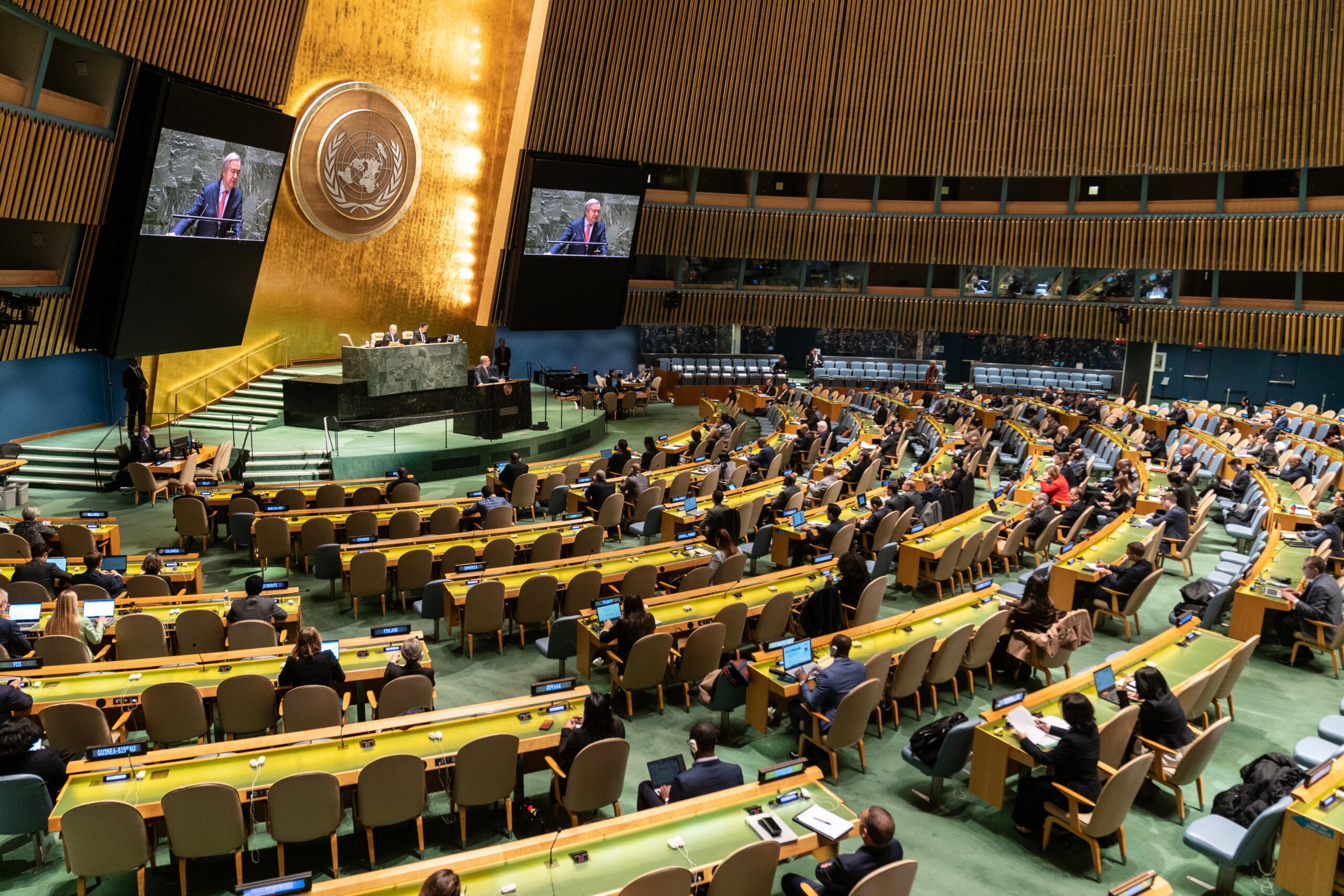
The Iranian delegation’s arrival on American soil this year was far from guaranteed. The Trump administration approved visas only for Iran’s “core delegation” under US statutory host-country obligations under the 1947 UN Headquarters Agreement, though the overall delegation was substantially smaller than in previous years.
 7+
7+Members of the delegation face sweeping operational restrictions. According to The Wall Street Journal, their physical movement is strictly confined to direct transit between the airport, designated hotel accommodations, and UN headquarters. Furthermore, strict prohibitions have been imposed on purchasing luxury goods and consumer items, with certain retail acquisitions requiring explicit Department of State authorization.
Tehran has also accused Washington of obstructing its diplomatic outreach by withholding visas from Iranian media crews slated to accompany the mission, including Pezeshkian’s presidential press corps. Baghaei condemned the visa denials as a calculated bid to restrict Iran’s voice. Washington, for its part, remains legally bound under the 1947 agreement to permit member-state access, subject to its sovereign right to enforce domestic security and travel boundaries.
 7+
7+Trump Open to Dialogue, but No Formal Meeting Scheduled
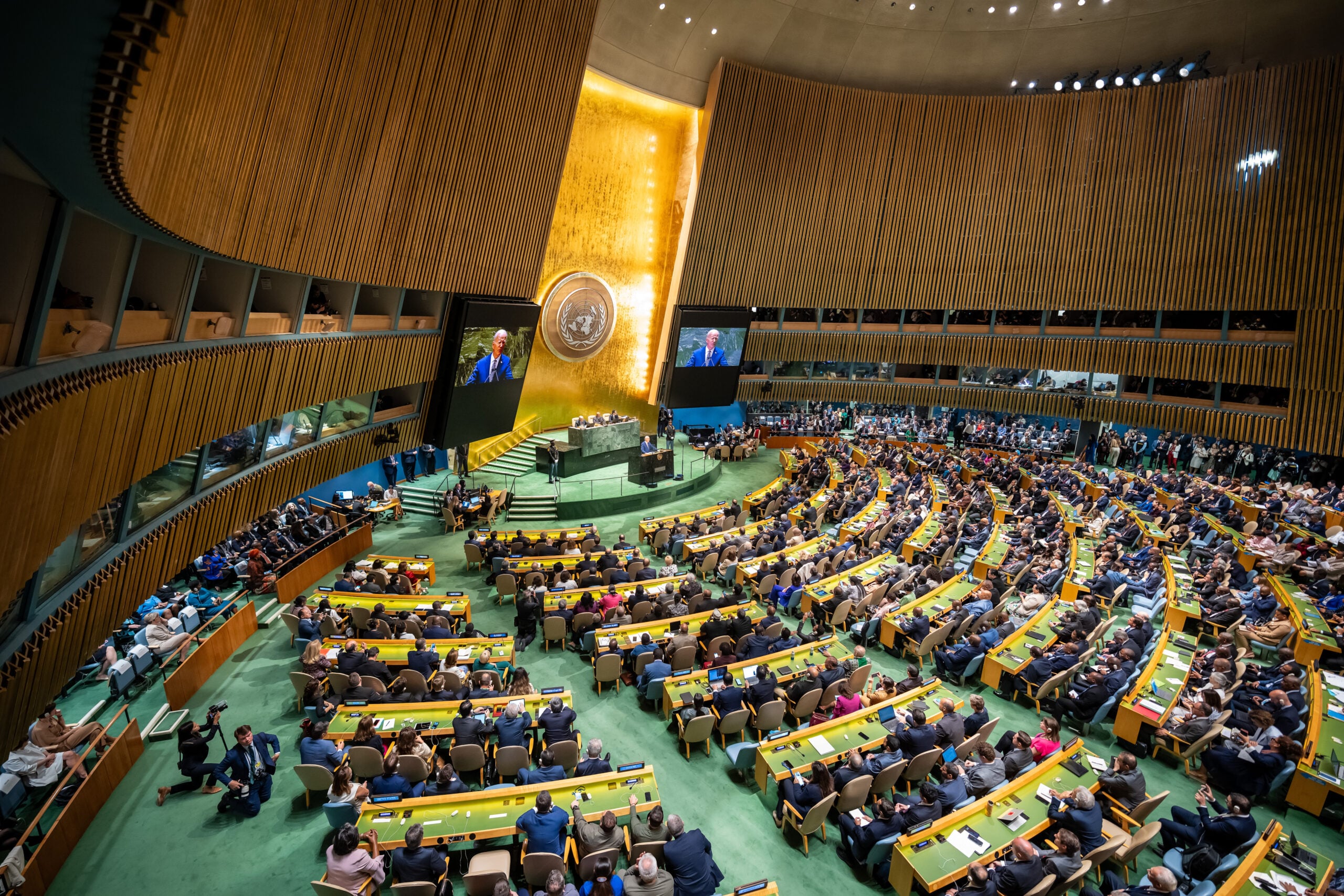
A central question surrounding the Iranian delegation’s arrival is whether the diplomatic week in New York could create an opening for direct contact between Washington and Tehran. Trump stated over the weekend that he would “probably be open” to meeting Pezeshkian. However, no formal bilateral session has been announced, and U.S. assessments indicate that structured bilateral negotiations during the assembly week remain unlikely at this juncture.
Pezeshkian, viewed domestically as favoring engagement with the West, is seeking meetings in New York with scholars and analysts from American and European think tanks, according to diplomatic sources cited by The Wall Street Journal. While back-channel mediation efforts involving regional third parties have persisted in recent weeks, none have yielded a diplomatic breakthrough.
 7+
7+Consequently, attention will focus primarily on sideline meetings between Iranian officials and non-U.S. delegations. The assembly’s concentration of world leaders enables low-profile direct and indirect communication even without an open bilateral track with Washington.
Trump and Macron Coordinate on Hormuz and Energy Infrastructure
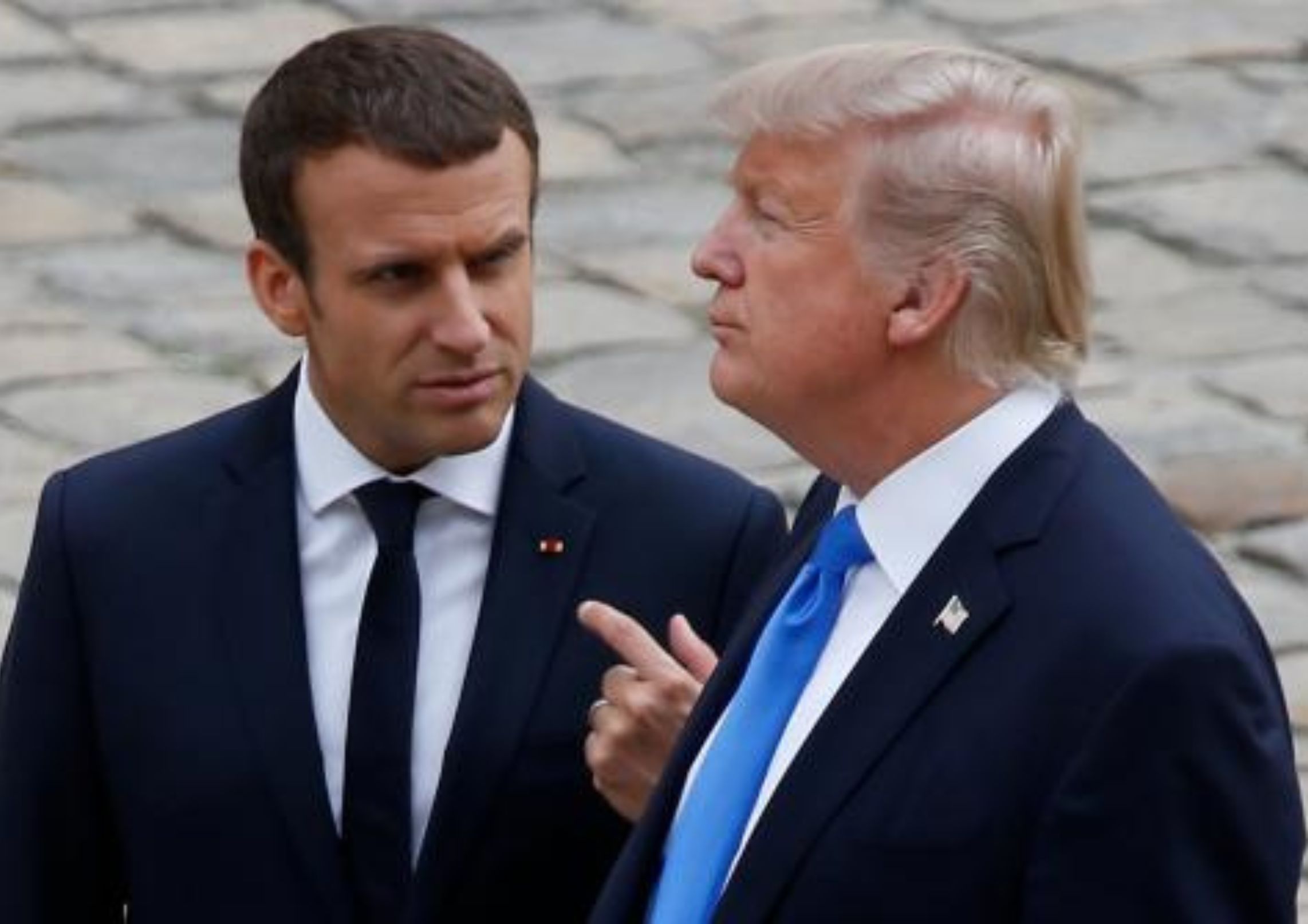
Even before plenary debates opened, the regional crisis with Iran took center stage. Trump met in New York with French President Emmanuel Macron, and the two leaders agreed to work jointly to protect global energy networks. Macron announced that the two leaders resolved to act in concert “to reduce tensions across energy markets by defending critical infrastructure in the Middle East and ensuring freedom of navigation through the Strait of Hormuz.”
 7+
7+The Strait of Hormuz has emerged as one of the most volatile arenas of the confrontation. Maritime shipping disruptions across the waterway continue to pressure global oil markets, increasing demands on Western allies to implement naval protection corridors.
U.S. Tightens Blockade: 110 Vessels Already Diverted
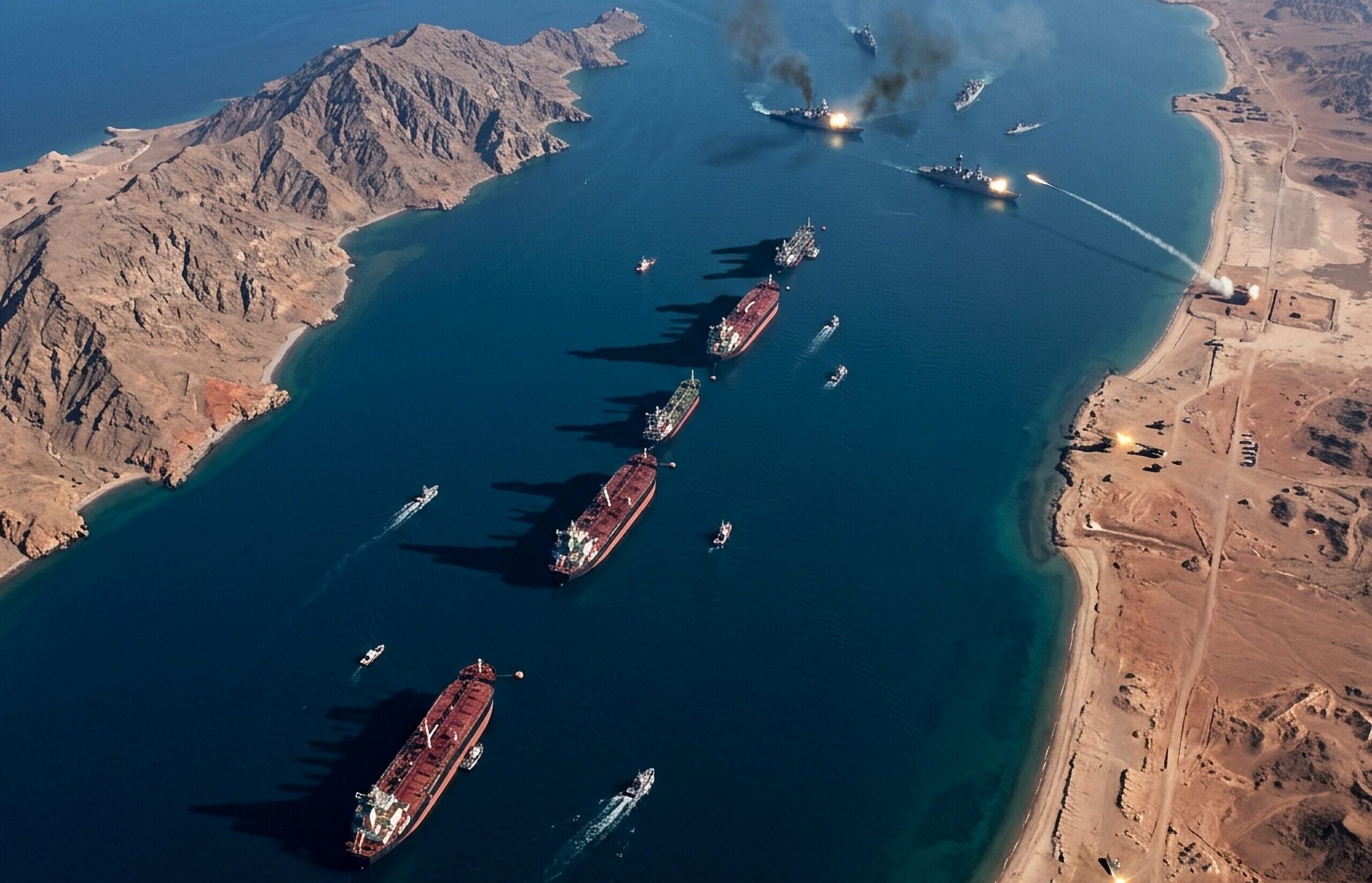
Alongside diplomatic maneuvering, Washington continues to enforce severe economic and military pressure against Tehran. US Central Command (CENTCOM) announced that as of September 21, naval forces had intercepted and diverted 110 commercial vessels as part of an active maritime blockade on Iran.
 7+
7+According to CENTCOM, the Arleigh Burke-class guided-missile destroyer USS Rafael Peralta (DDG-115) continues to enforce the cordon, interdicting inbound and outbound maritime commerce linked to Iranian ports and coastal installations. The figure underscores the stark contrast between diplomatic engagements in New York and tactical realities in theater: while Iranian envoys arrive at UN headquarters, American forces are actively choking Iranian sea lanes.
Red Sea Heating Up Too
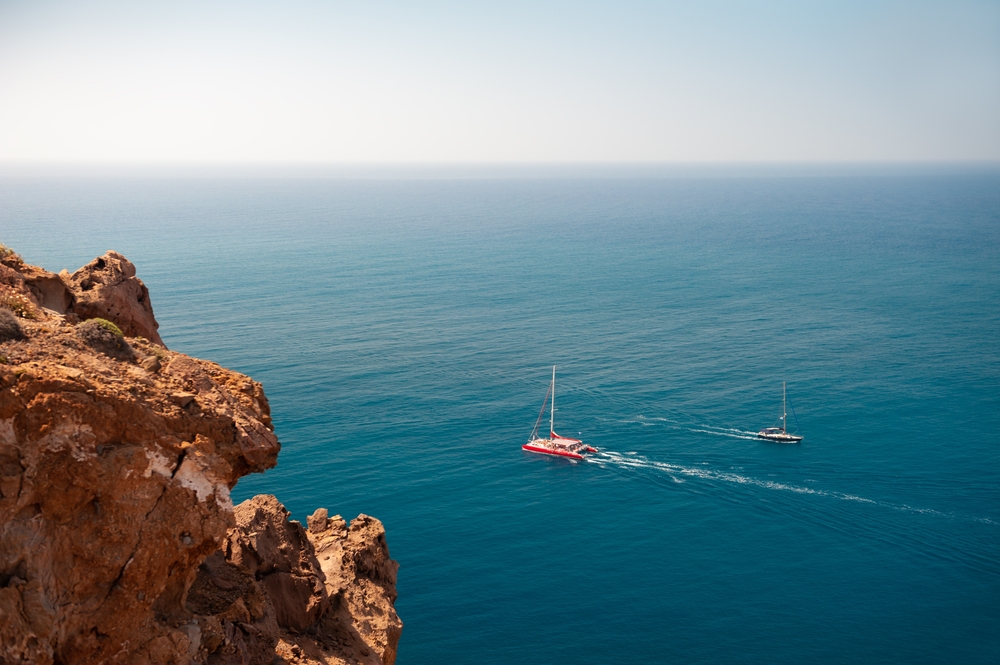
Maritime instability has concurrently widened across the Red Sea corridor. Rapid advances by Houthi forces along the Yemeni coast have sparked alarm throughout European capitals. European Union High Representative for Foreign Affairs Kaja Kallas said the EU naval mission Aspides, deployed to shield merchant shipping in the Red Sea, urgently needs more than 10 warships. Kallas noted that while initial assessments set the requirement at 10 vessels, “the situation, in my view, is even more critical today.”
 7+
7+Kallas appealed to EU member states to commit additional naval and airborne assets to counter heightened threats. According to Reuters, only six warships are currently operating under the mission’s command. European concerns intensified following rapid Houthi seizures of strategic coastal strongholds, including the port of Mokha, Perim (Mayyun) Island, and the Hanish archipelago. These gains have drastically expanded Houthi firing arcs over the Bab el-Mandeb Strait—the vital maritime artery linking the Indian Ocean to the Mediterranean Sea via the Suez Canal.
New York Becomes Central Contact Arena
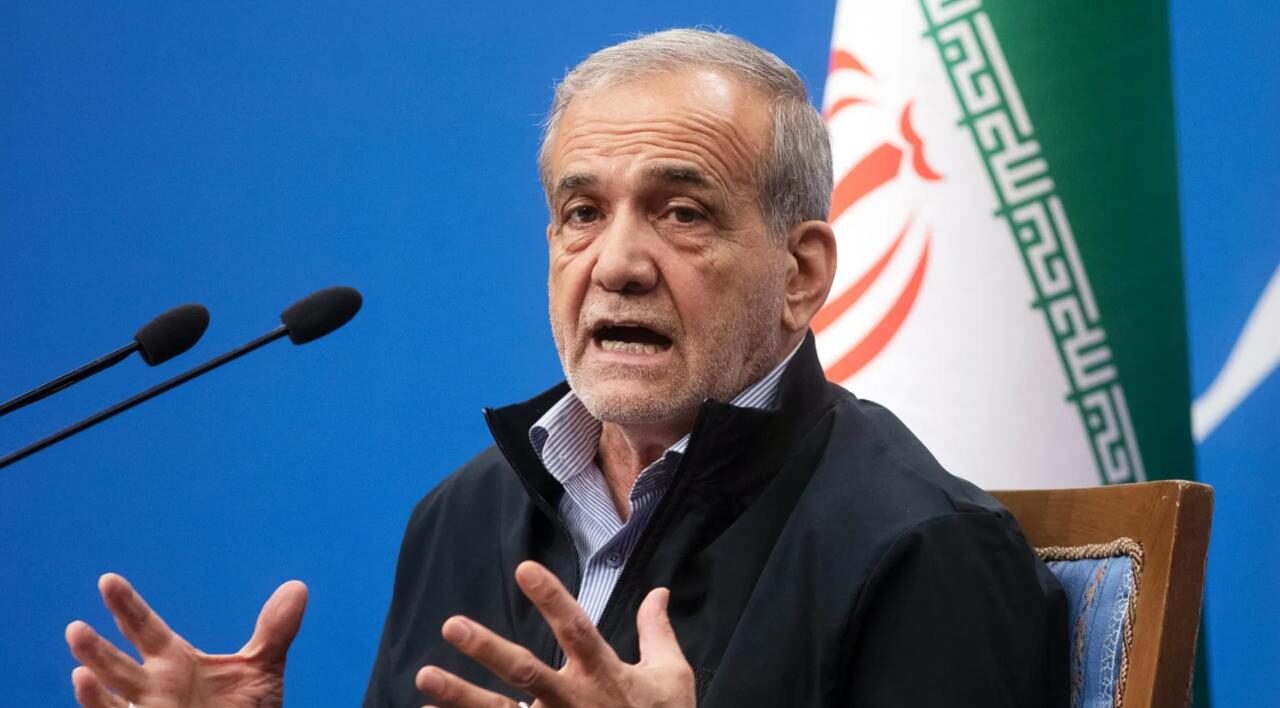
The presence of Pezeshkian and Araghchi in New York is unprecedented in the context of the seven-month-old military confrontation between the US and Iran. Despite active combat operations, Washington has maintained UN access rules, allowing Iranian leaders to utilize the global forum.
 7+
7+For Tehran, the General Assembly offers an international podium to articulate its strategic posture and mitigate deepening geopolitical isolation. For Washington and its partners, the gathering provides a venue to address freedom of navigation in Hormuz, secure energy infrastructure, counter Houthi operations, and assess whether diplomatic compromises remain viable. While a breakthrough between Trump and Pezeshkian is not currently scheduled, the closed-door meetings flanking the UNGA plenary may prove pivotal in charting the next phase of the conflict.