




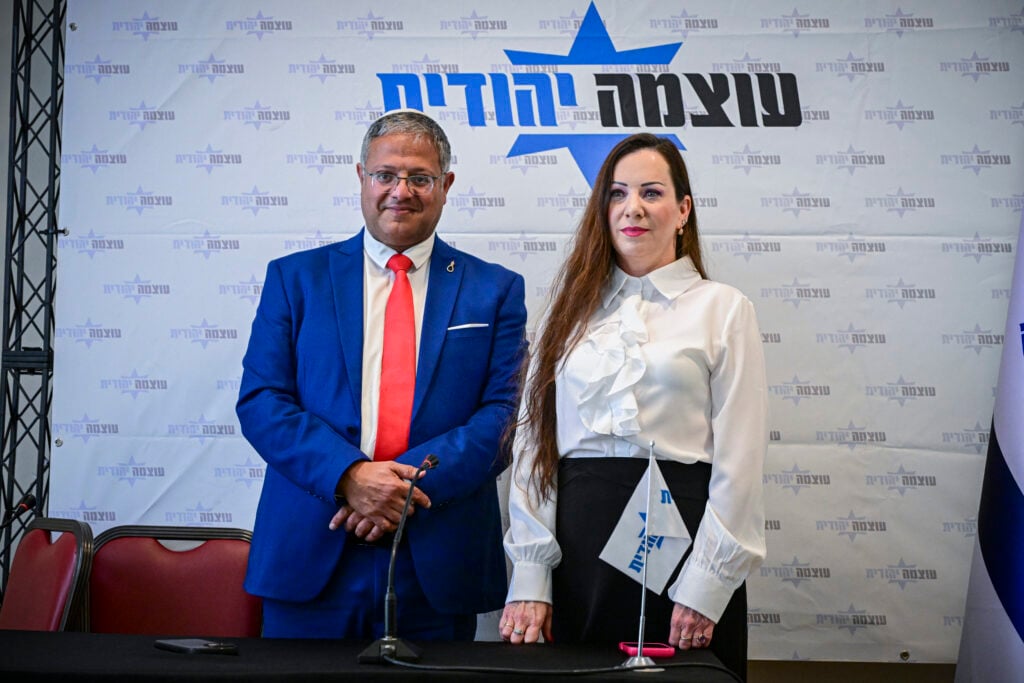
In a direct confrontation at the Central Elections Committee (CEC), National Security Minister and Otzma Yehudit Chairman Itamar Ben-Gvir, alongside MK Tally Gotliv, will personally lead and represent their party in dramatic hearings seeking to disqualify the Ra’am party slate and Balad Chairman Sami Abu Shehadeh. The legal proceedings open ahead of the elections for the 26th Knesset, following a series of disqualification petitions submitted against Arab parties and candidates under Section 7A of Basic Law: The Knesset.

 2+
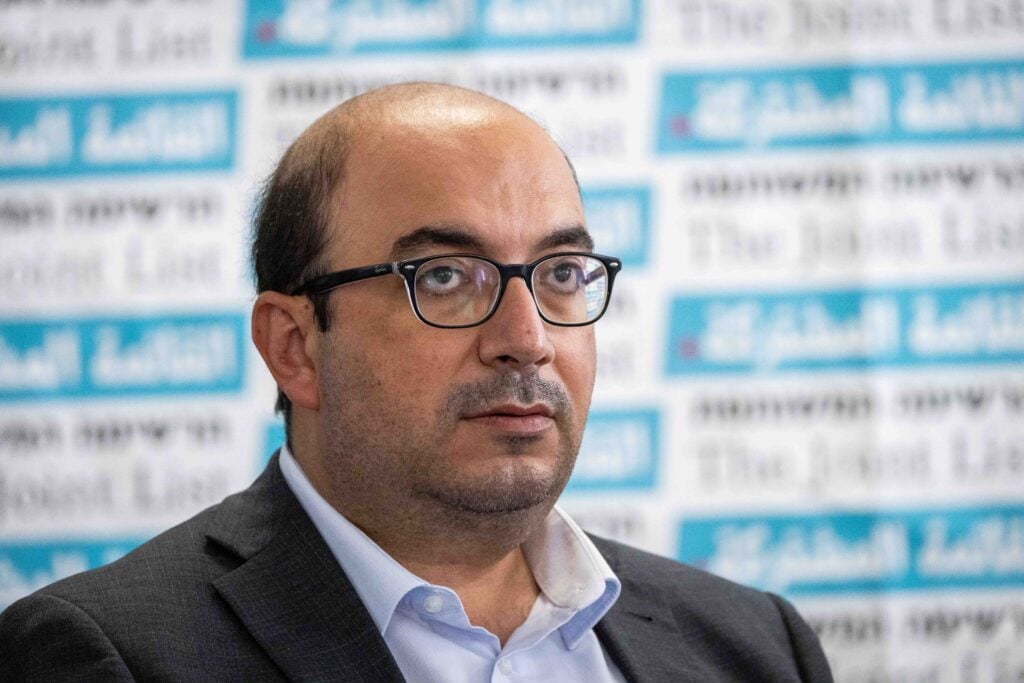
2+Otzma Yehudit submitted two distinct petitions to the committee: one against the Ra’am list, and another targeting Abu Shehadeh personally, with Ben-Gvir signed as the primary petitioner. At the center of the petition against Balad’s chairman is an article he published on October 8, 2023—just one day after Hamas’s murderous invasion—which the party argues, alongside additional statements, provides definitive evidence of support for an armed struggle by a terror organization against the State of Israel. The petition further cites Abu Shehadeh’s public backing for convicted security prisoners and political agitation to dismantle the Jewish character of the state.
Submitting the petition, Ben-Gvir attacked past judicial rulings: “Until now, the Supreme Court has cleared one terror supporter after another who sought to run for the Knesset, contrary to the explicit letter of the law. The time has arrived to enact a systemic and conceptual transformation.” Meanwhile, the petition against Ra’am is one of three separate filings submitted against the faction, alongside parallel requests filed by the Likud party and the “Choosing Life” forum of bereaved families.
 2+
2+Arab candidates and factions rejected the petitions, branding them politically motivated maneuvers. In a legal response submitted by Ra’am through the Adalah legal center, the party argued that the petitions present no verifiable evidence of backing an armed struggle by an enemy state or terror group, asserting that none of the statutory grounds for disqualification apply.
Abu Shehadeh similarly responded to the committee, describing attempts to link him to violence as baseless. He noted that he publicly condemned harm to civilians following October 7 and called for a diplomatic resolution, maintaining that his platform advocating a “state of all its citizens” has already been reviewed and repeatedly cleared by the Supreme Court.
 2+
2+The hearings will take place in the Central Elections Committee hall, presided over by Supreme Court Justice Noam Sohlberg, in accordance with statutory rules prohibiting disqualification hearings via remote video conferencing. With candidate lists finalized for the 26th Knesset—featuring Otzma Yehudit led by Ben-Gvir with Gotliv in the second slot—the hearings will form a contentious legal and political arena.
Israeli law establishes three exclusive grounds that permit barring a political list or individual candidate from running for parliament:
-
Denial of the existence of the State of Israel as a Jewish and democratic state;
-
Incitement to racism;
-
Support for an armed struggle waged by an enemy state or terror organization against Israel.
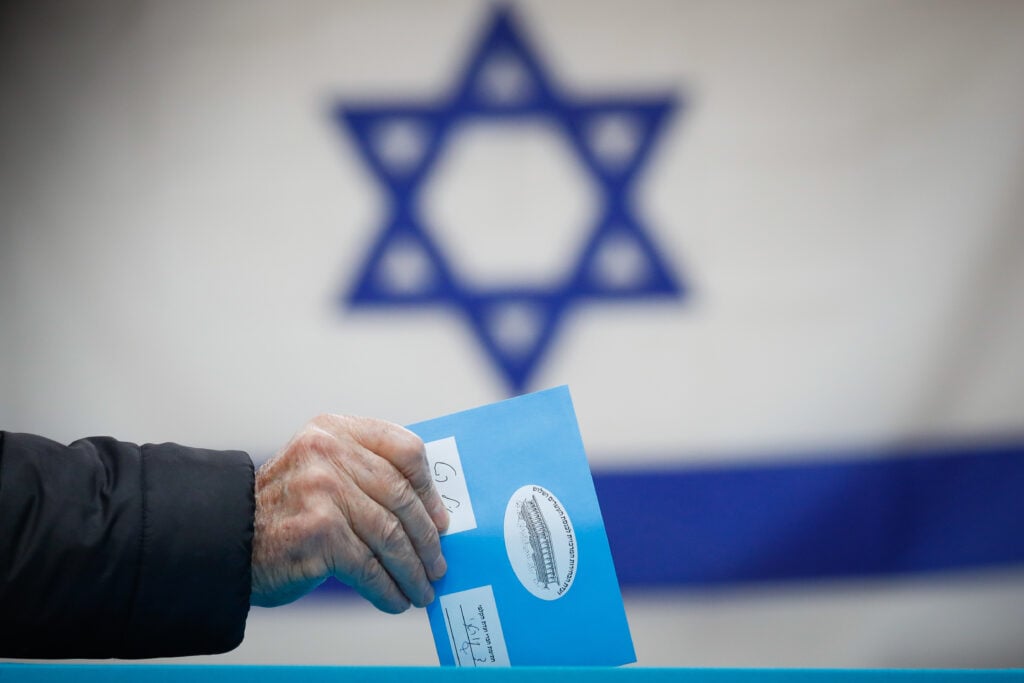
Over decades of jurisprudence, the Supreme Court has established an exceptionally stringent evidentiary standard for Section 7A, requiring a critical mass of unequivocal, clear, and convincing evidence before curtailing the fundamental democratic right to vote and stand for election. Consequently, the CEC’s impending rulings are expected to mark merely the opening salvo in a protracted legal struggle, as any disqualification or clearance will proceed to the High Court of Justice for final determination ahead of election day.