


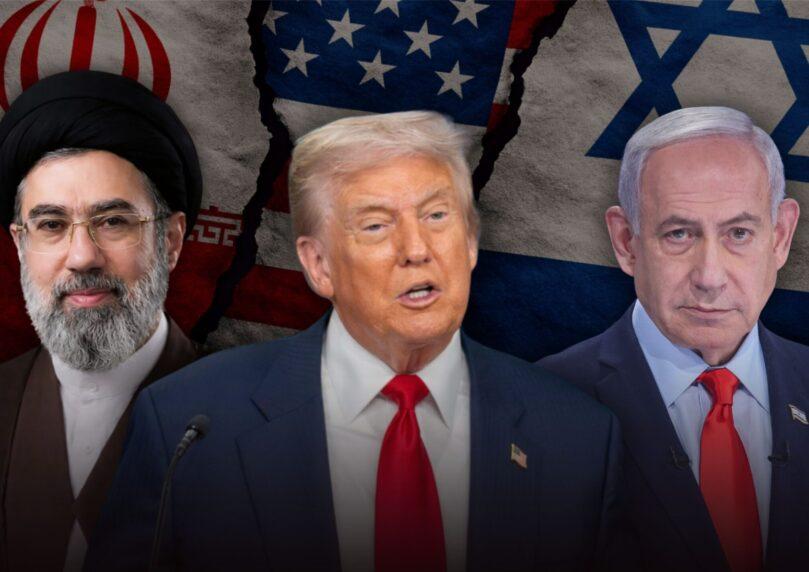

A dramatic diplomatic marathon commenced in New York with the opening of High-Level Week at the 81st United Nations General Assembly.
At the forefront of the global gathering stands the intensifying volatility across the Middle East and the looming prospect of expanded regional escalation involving Iran and its Houthi proxy network.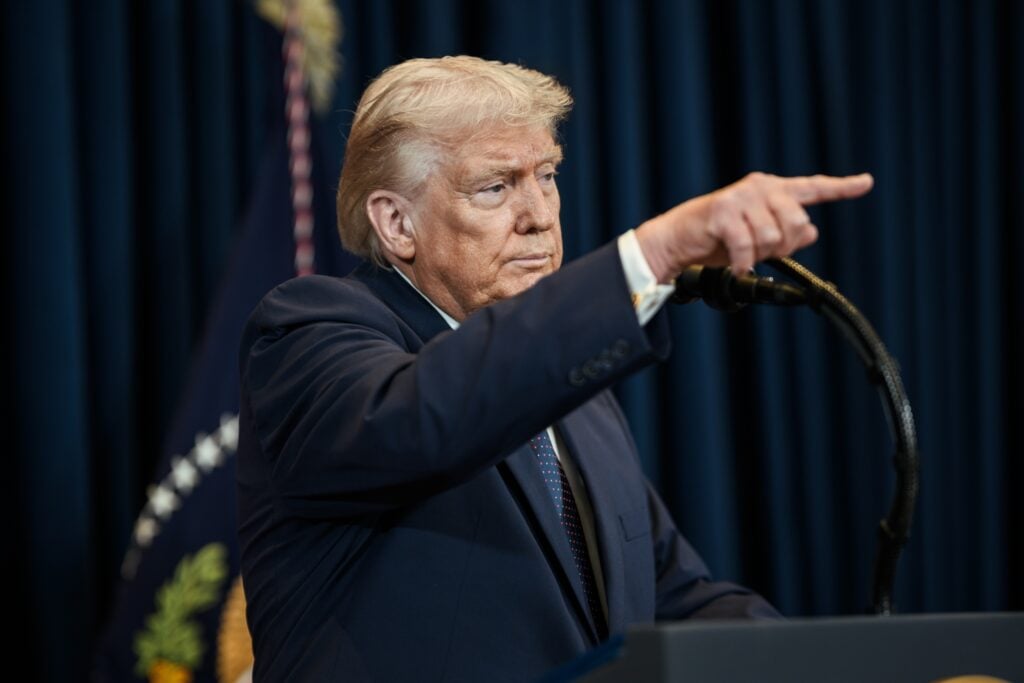

 1+
1+On Tuesday, United States President Donald Trump is scheduled to deliver his address before the General Assembly plenary. On the sidelines of the summit, Trump is set to convene a multilateral consultation with the leaders of the six Gulf Cooperation Council nations—Saudi Arabia, the United Arab Emirates, Qatar, Bahrain, Kuwait, and Oman—to deliberate over fast-moving developments surrounding Iran. Trump has signaled that he intends to closely review the strategic posture of regional allies before finalizing subsequent US operational policy regarding Tehran.
On Wednesday, Iranian President Masoud Pezeshkian will take the General Assembly rostrum. His appearance comes as tensions between Tehran and Washington reach a critical juncture, directly following warnings from the Islamic Revolutionary Guard Corps (IRGC) threatening an expanded conflict posture should further American strikes materialize.
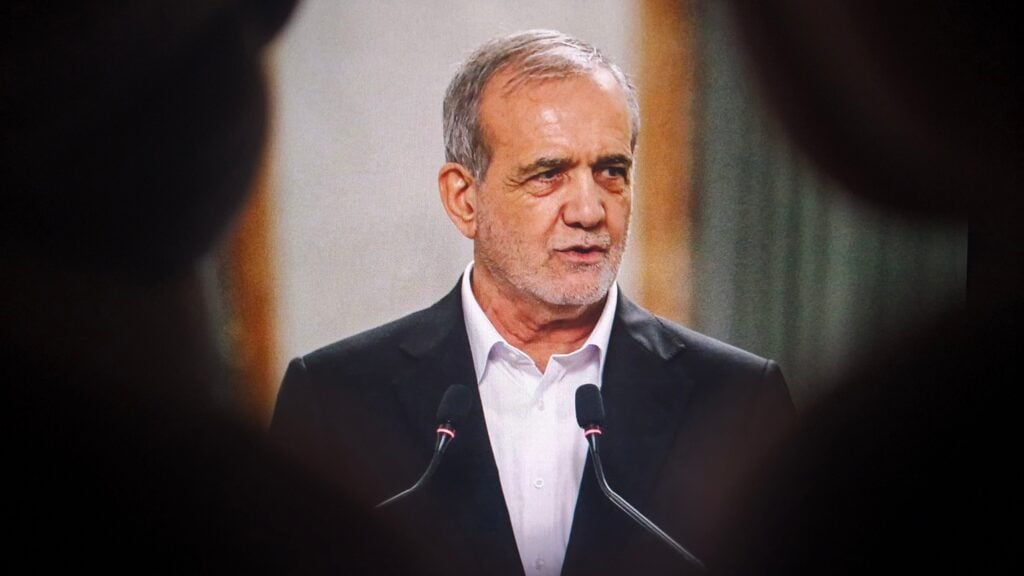
Masoud Pezeshkian, President of Iran | Photo: Shutterstock
That same day, the primary geopolitical focal point will extend to Washington: Chinese President Xi Jinping is scheduled to arrive in the United States for an official state visit extending through Friday, anchored by a high-stakes bilateral summit with President Trump. The bilateral talks are set to center on broader superpower relations, bilateral trade mechanisms, artificial intelligence regulatory standards, and urgent international security challenges.
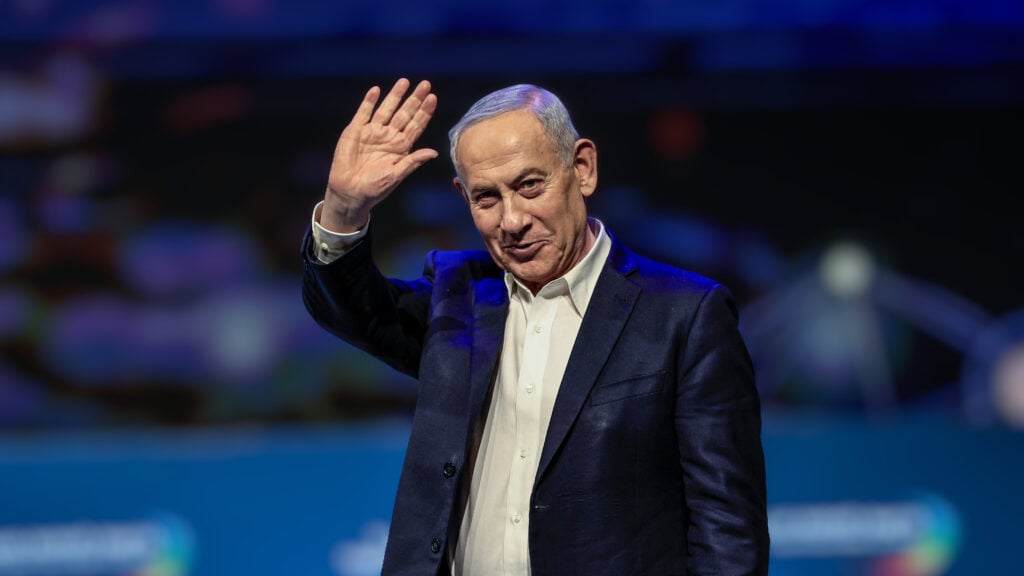
On Thursday, the diplomatic spotlight shifts to Israel. Prime Minister Benjamin Netanyahu is slated to address the UN General Assembly, with Israel’s ongoing campaign against Iranian aggression and wider regional security dynamics anchoring his condensed diplomatic schedule in New York.
 1+
1+The assembly unfolds against the backdrop of two concurrently volatile Middle Eastern flashpoints: escalating rhetoric and the specter of resumed kinetic strikes against Iran, coupled with intensifying Houthi attacks targeting Saudi Arabia and critical international maritime corridors. The proceedings in New York are set to transcend symbolic rhetoric, presenting a dense calendar of executive summits and strategic determinations positioned to steer the trajectory of the regional conflict.