


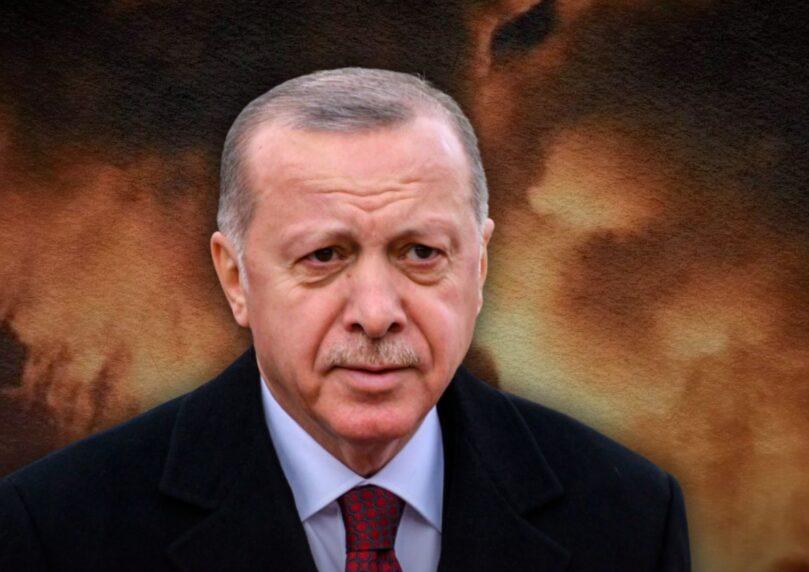

In a stark military signal across the Eastern Mediterranean, Turkey’s Ministry of National Defense announced on Monday that its air force completed an extensive, large-scale aerial exercise south of the island of Cyprus within international airspace. The drill mobilized multirole fighter jets and support aircraft scrambled from several airbases, unfolding amidst mounting regional tension surrounding the strategic and security alignment between Israel, Greece, and Cyprus.

 2+
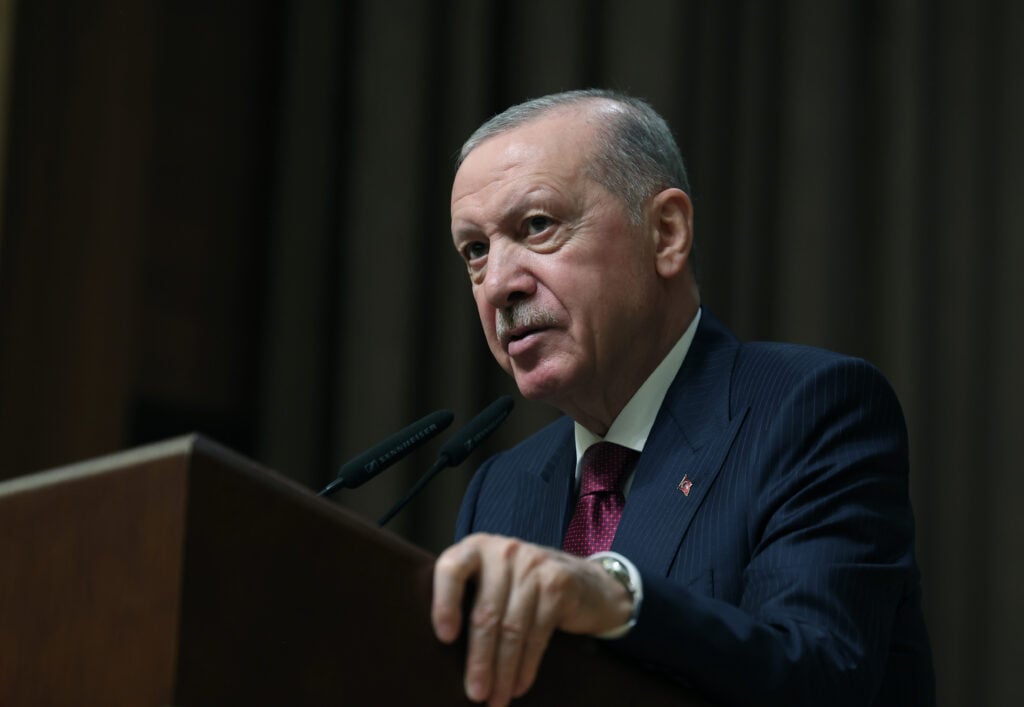
2+In an official statement from Ankara, defense officials said the maneuvers concluded successfully as part of routine operational training. Ankara emphasized its resolve to maintain high-readiness operations to safeguard its maritime rights and sovereign interests across the Mediterranean basin. Despite the Turkish defense establishment framing the operation as routine readiness training, regional intelligence and defense establishments view the high-tempo flights off the Cypriot coastline as a direct muscle-flexing gesture against its neighbors’ expanding alliance.
The timing of the Turkish aerial maneuver follows unprecedented defense transactions bolstering air supremacy and the defensive shield around Turkey’s perimeter. In late August, Israel and Greece finalized the landmark “Achilles Shield” agreement valued at approximately €3 billion. Under the pact, Israel will build a multi-layered, state-of-the-art air defense architecture for Athens incorporating David’s Sling, SPYDER, and BARAK MX missile defense batteries, integrated with command-and-control apparatuses and high-performance radar arrays. Prime Minister Benjamin Netanyahu linked the agreement directly to the trilateral strategic axis the three states have nurtured over the past decade.
 2+
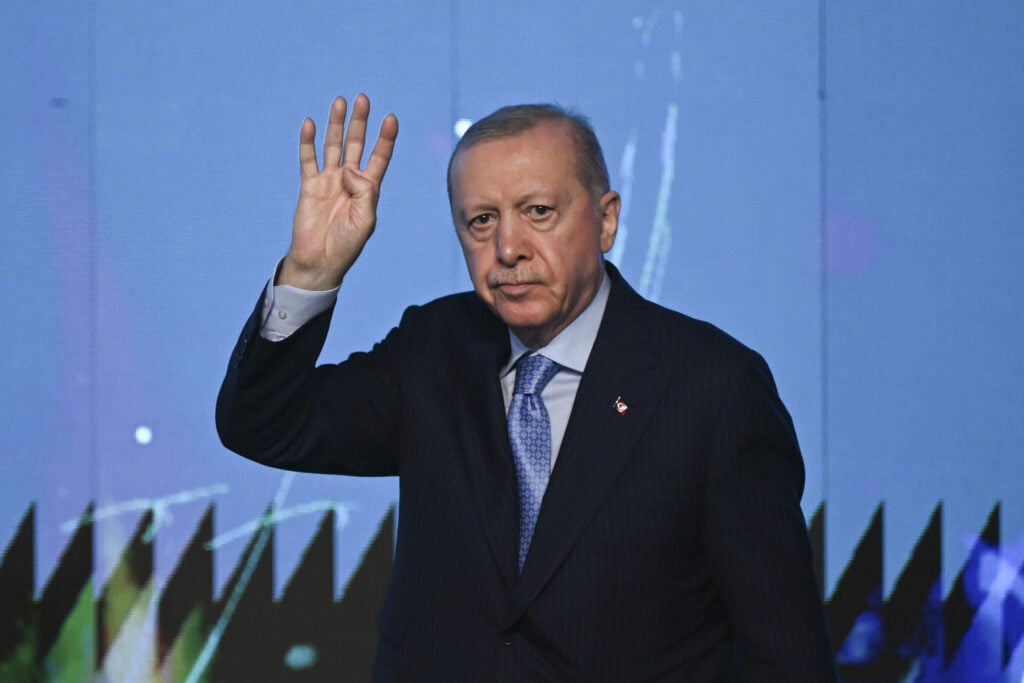
2+Meanwhile, the Cypriot National Guard has integrated and begun deploying Israel’s BARAK MX defense system, with plans to officially unveil the batteries during its upcoming military parade on October 1. Regional defense friction deepened earlier this month following statements by Cypriot Defense Minister Vasilis Palmas, who declared that Cyprus, Greece, and Israel face a clear, shared security threat stemming from Turkey’s expansionist foreign policy.
In recent years, Israel, Greece, and Cyprus have become close strategic partners, pursuing cooperation that extends far beyond standard diplomatic ties. Their alignment encompasses combined military exercises, operational intelligence sharing, offshore energy infrastructure development, and joint security protocols for critical maritime shipping lanes. During their most recent trilateral summit, leaders pledged to substantially deepen joint defense coordination, with a distinct operational focus on maritime protection.
 2+
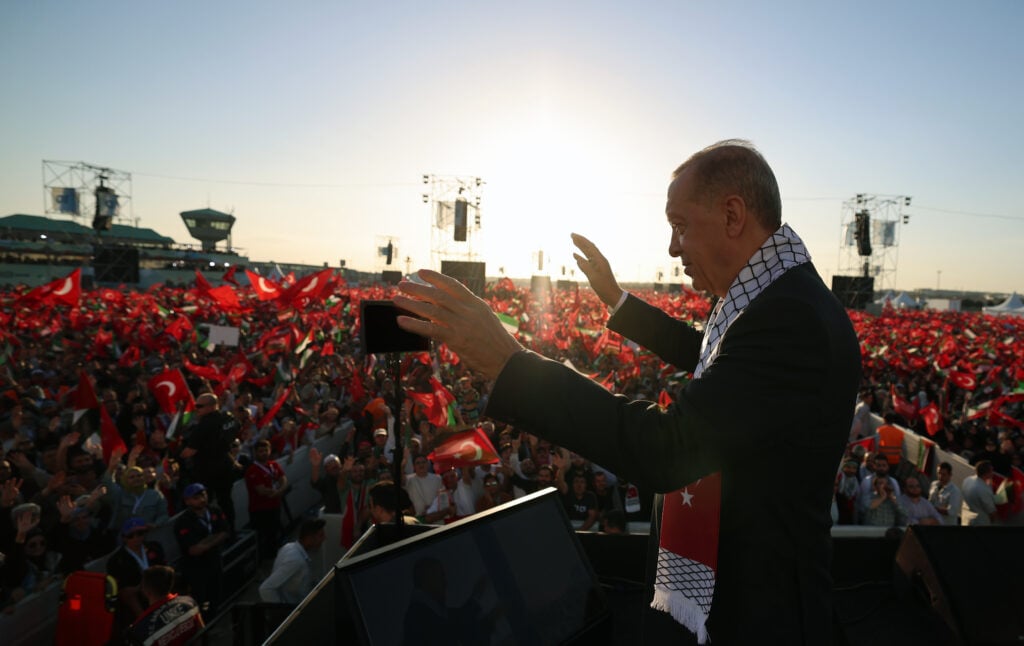
2+The Turkish Air Force’s aggressive maneuvers south of Cyprus underscore the vigilance with which President Recep Tayyip Erdogan’s regime tracks the emerging Israeli-Greek-Cypriot defense architecture in its maritime backyard. Although Ankara avoids formally linking its air drills to Israeli defense sales, its projected air presence delivers an explicit warning that Turkey has no intention of ceding its military footprint or operational influence across the Mediterranean waters.