


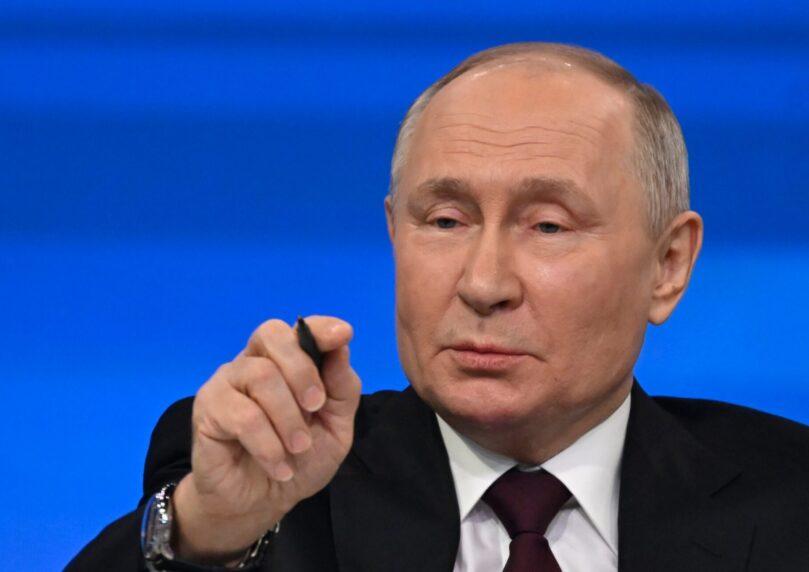

A wave of unprecedented wartime anxiety is sweeping across the European continent. A flurry of emergency civil-defense directives and military exercises reveals mounting panic among European leaders that Russian President Vladimir Putin could soon expand the war in Ukraine directly against NATO member states. The primary catalyst for the current alarm is a large-scale military exercise conducted by Belarus—Moscow’s closest ally—adjacent to the “Suwalki Gap,” the narrow strip of border connecting Poland and Lithuania that is widely regarded as the North Atlantic alliance’s most vulnerable geographic chokepoint, CNN reported on Monday.

 3+
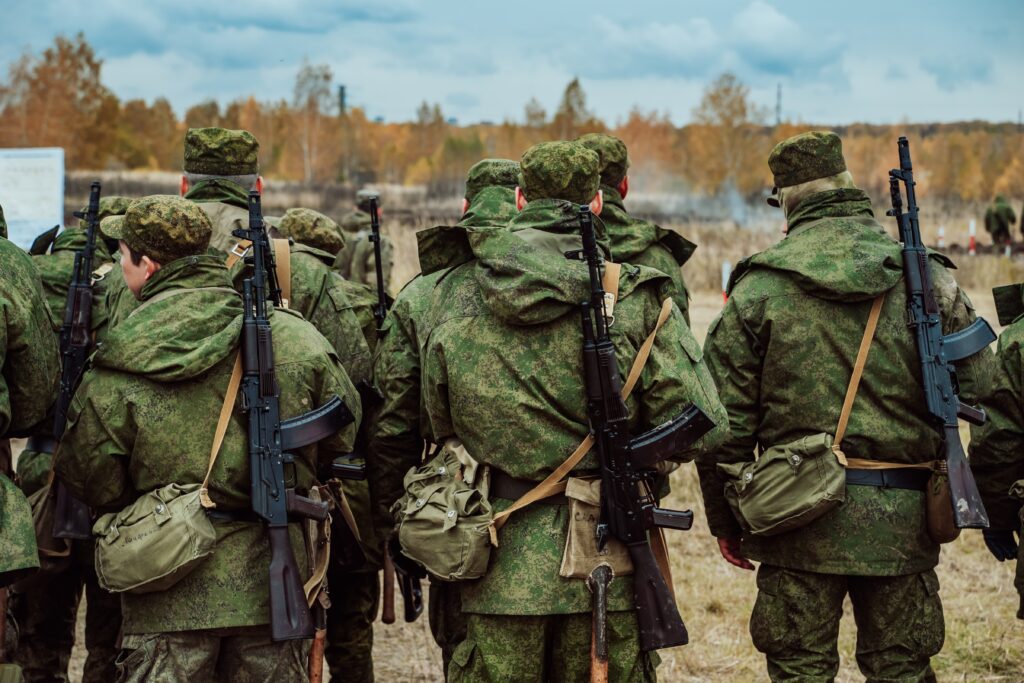
3+Responses across European capitals have been swift and extraordinary. In the United Kingdom, authorities have urged citizens to prepare for the possibility of full-scale conflict by stockpiling canned goods and potable water, as the Chief of the Defense Staff warned that the kingdom faces its most dangerous security environment in decades.
In Germany, health authorities have initiated mass-casualty contingency protocols across regional hospitals to absorb military and civilian trauma victims from a potential Russian strike. At the same time, Chancellor Friedrich Merz warned that Europe has reached decisive moments in preserving continental peace. In Poland, Prime Minister Donald Tusk warned that Moscow could orchestrate drone and cruise missile strikes against NATO territory, disguising them as navigational accidents. In France, President Emmanuel Macron convened a classified intelligence briefing to review urgent protective measures for critical national infrastructure. Even Switzerland, celebrated for centuries of strict neutrality, adopted an overhauled national security strategy explicitly geared toward repelling external armed aggression.
 3+
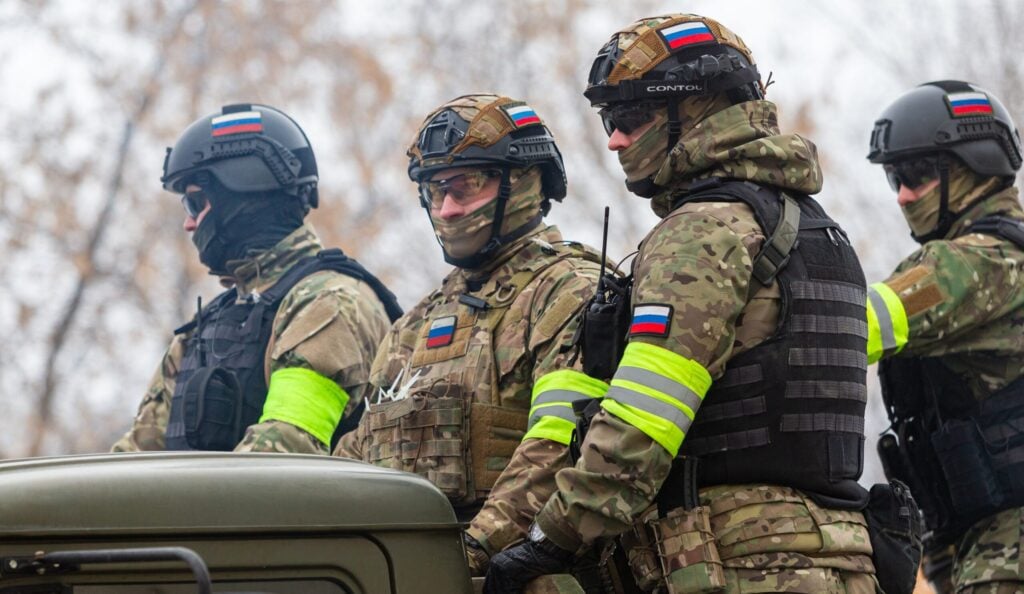
3+Amid mounting European mobilization, United States President Donald Trump unexpectedly announced notable progress toward establishing a permanent US military base on Polish territory. The strategic development follows closely on the heels of a clandestine mission by the CIA director to Moscow two weeks ago, delivering an explicit warning to the Kremlin against targeting NATO sovereign territory.
Washington’s heightened threat assessment is underpinned by concrete intelligence: US federal prosecutors unsealed indictments this week against five operatives belonging to a Russian intelligence cell that plotted assassinations and sabotage against civilian and military infrastructure across North America and Europe. These operations reflect Moscow’s established “gray zone” playbook, encompassing destructive cyberattacks, arson, targeted infrastructure damage, and covert drone incursions—such as the recent unmanned aircraft sighting that paralyzed a German commercial airport.
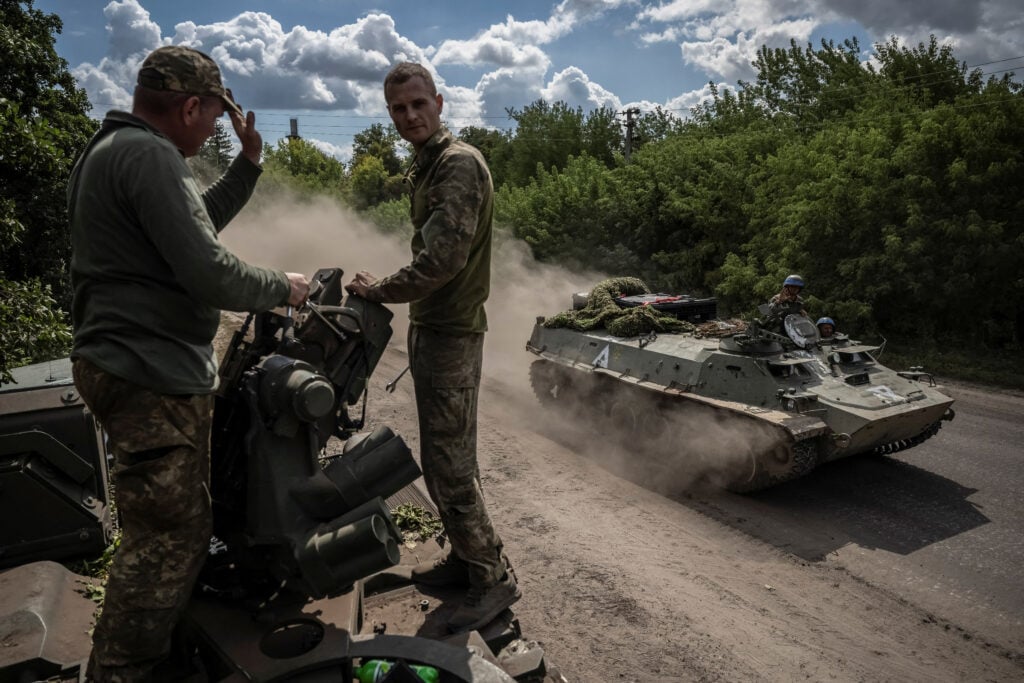
Ukrainian soldiers in Kursk, Russia, archive | Photo: Reuters
The primary operational nightmare for Western defense planners remains the Suwałki Gap, a narrow 105-kilometer border corridor that serves as the sole land bridge connecting the Baltic states—Lithuania, Latvia, and Estonia—to the rest of continental NATO.
The central tactical concern is that Russia and Belarus could orchestrate a localized, rapid incursion into the corridor, while informally signaling that any collective military counterattack would trigger immediate nuclear retaliation. Such a maneuver is designed not merely for territorial expansion, but to dismantle the credibility of NATO’s Article 5 mutual defense pact: would 32 member states, spearheaded by an American commander-in-chief, risk a nuclear exchange over a narrow corridor in Eastern Europe? Although NATO Secretary-General Mark Rutte affirmed that any assault would be met with an overwhelming, devastating allied response, Western intelligence assessments warn that Moscow continuously tests the alliance’s political cohesion.
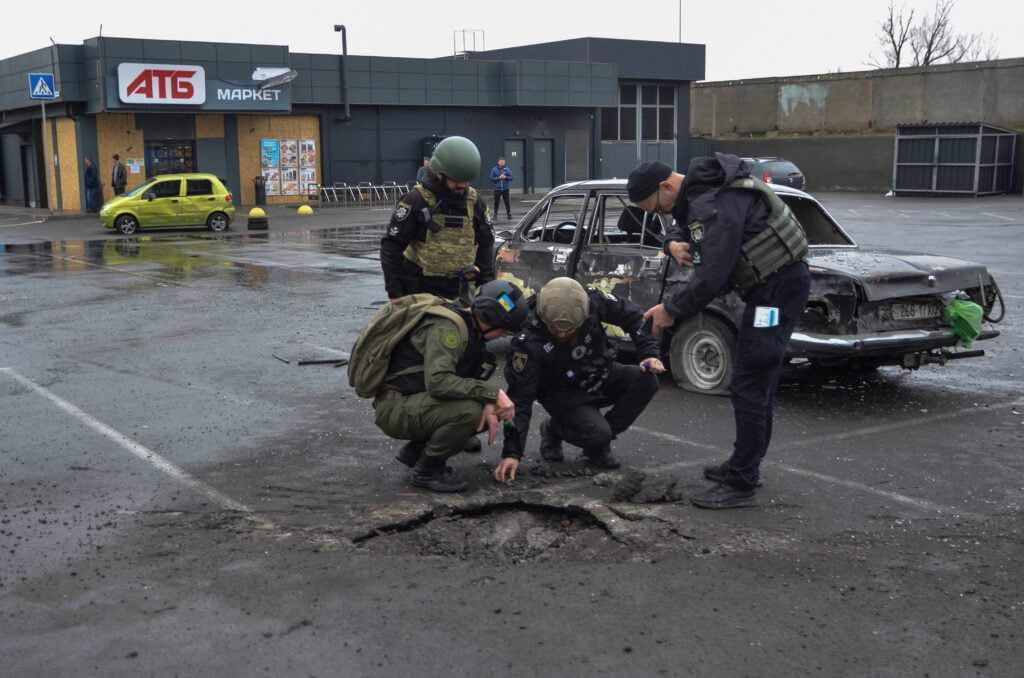 3+
3+The war in Ukraine has delivered an uncompromising curriculum on the harsh logistical realities of modern industrial warfare, proving that military victory depends on societal resilience: survivable electric grids, surge-capable hospital systems, redundant telecommunications networks, and civilian sectors that can endure structural shocks without collapsing.
NATO has updated its national resilience benchmarks based on lessons learned from Ukraine, reflecting the doctrine that absolute domestic readiness is essential to deterrence. This urgency is compounded by the fact that the United States military is stretched across multiple global theaters—countering Iranian aggression in the Middle East and deterring China in the Indo-Pacific.
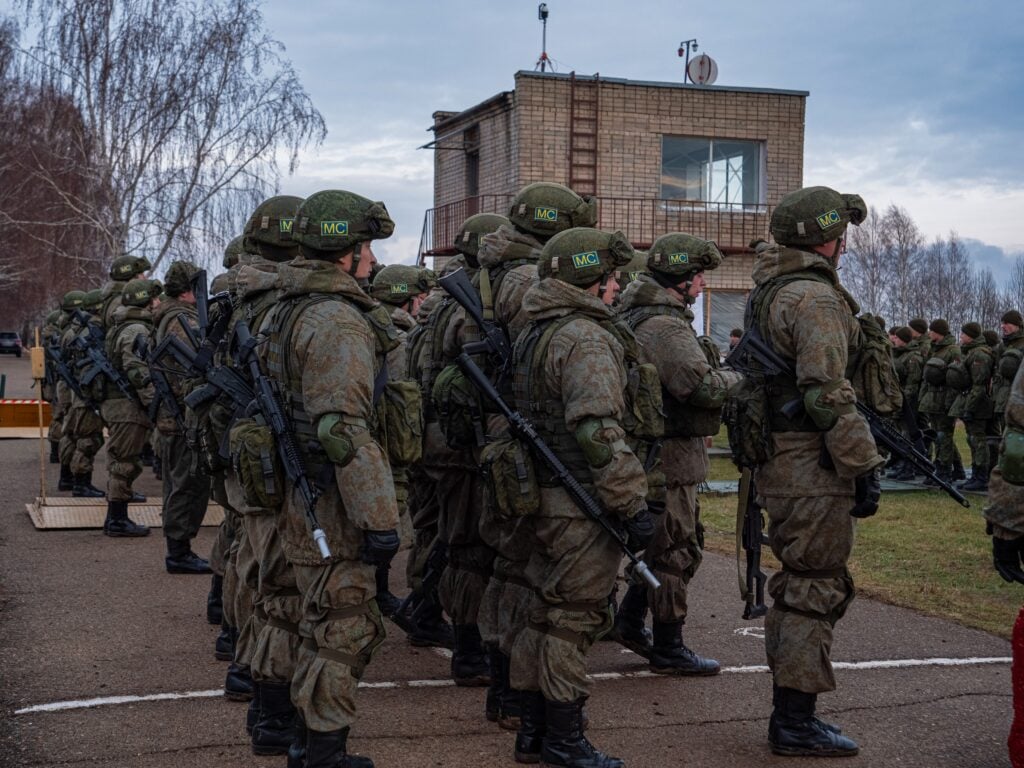 3+
3+This multi-front strain has shattered three decades of post-Cold War assumptions in Europe, compelling the continent to reconstitute its independent defense capabilities under the sobering reality that peace is no longer guaranteed.
Russia’s invasion of Ukraine, alongside the intensification of Moscow’s hybrid operations and multi-theater geopolitical tensions, created a strategic shock that forced a doctrinal shift. The Suwalki Gap remains the continent’s central Achilles’ heel—its closure could completely cut off Lithuania, Latvia, and Estonia from Europe by land, and represents the most severe test of NATO’s credibility since its founding.