


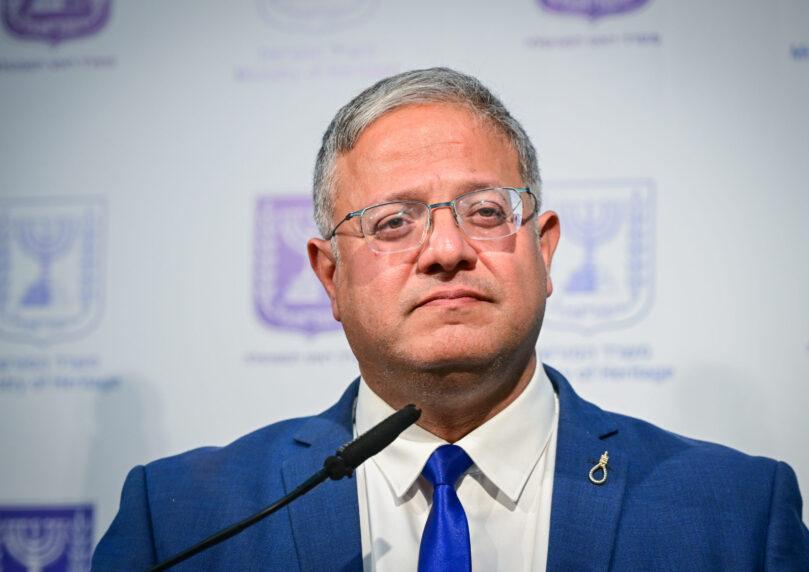

Two hours before the onset of Yom Kippur, an exclusive security consultation convened to address the operational situation across Judea and Samaria, during which officials evaluated the unprecedented possibility of invoking the newly enacted death penalty law for terrorists following the deadly Binyamin attack. National Security Minister Itamar Ben-Gvir raised the issue, saying the incident marks the first operational case that satisfies all statutory criteria for seeking capital punishment. Prime Minister Benjamin Netanyahu requested IDF officials’ operational position on practical implementation. The Knesset formally ratified the legislation in its third reading on March 30, 2026, by a 62–48 margin with one abstention.

 2+
2+During the closed-door deliberation, Ben-Gvir argued that this marks the first instance since the law took effect where legal conditions permit prosecutors to demand the death penalty. Netanyahu expressed interest in the initiative and asked the IDF representatives in the room to address the practical aspects of enforcing the statute.
Military representatives responded that, from an operational defense standpoint, nothing impedes pursuing the measure. However, because the Military Advocate General (MAG) did not attend the initial consultation, ministers decided against a premature conclusion and resolved to convene an additional professional session of the restricted security cabinet—with the MAG present—to review the legal mechanisms and evidentiary threshold required to proceed. Following the discussion, Ben-Gvir affirmed that the Prime Minister had not ruled out capital punishment for the perpetrator.
 2+
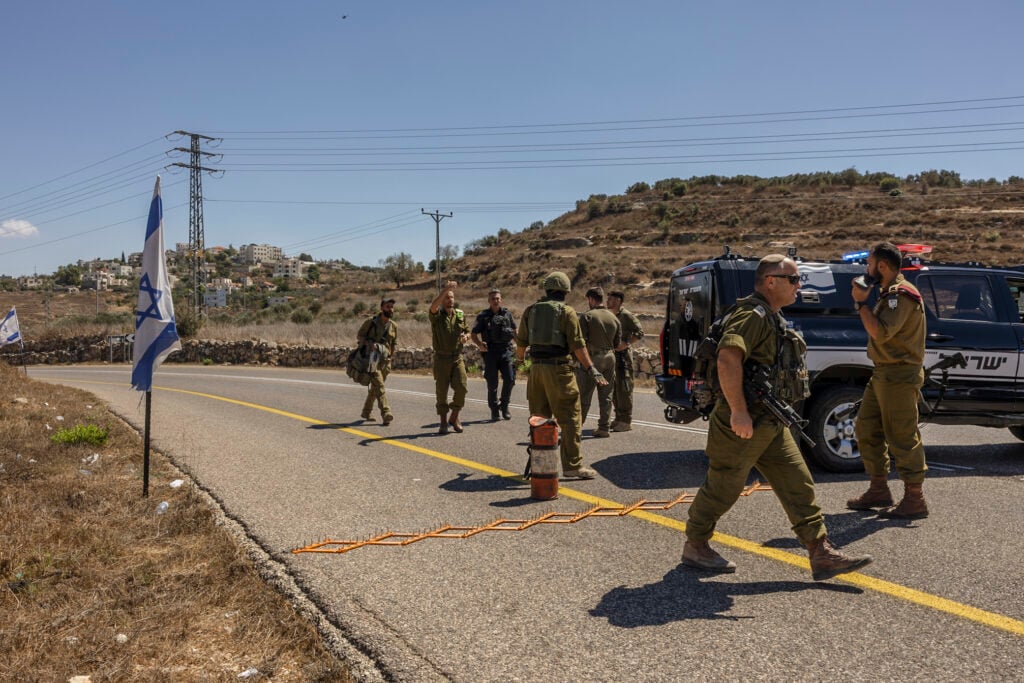
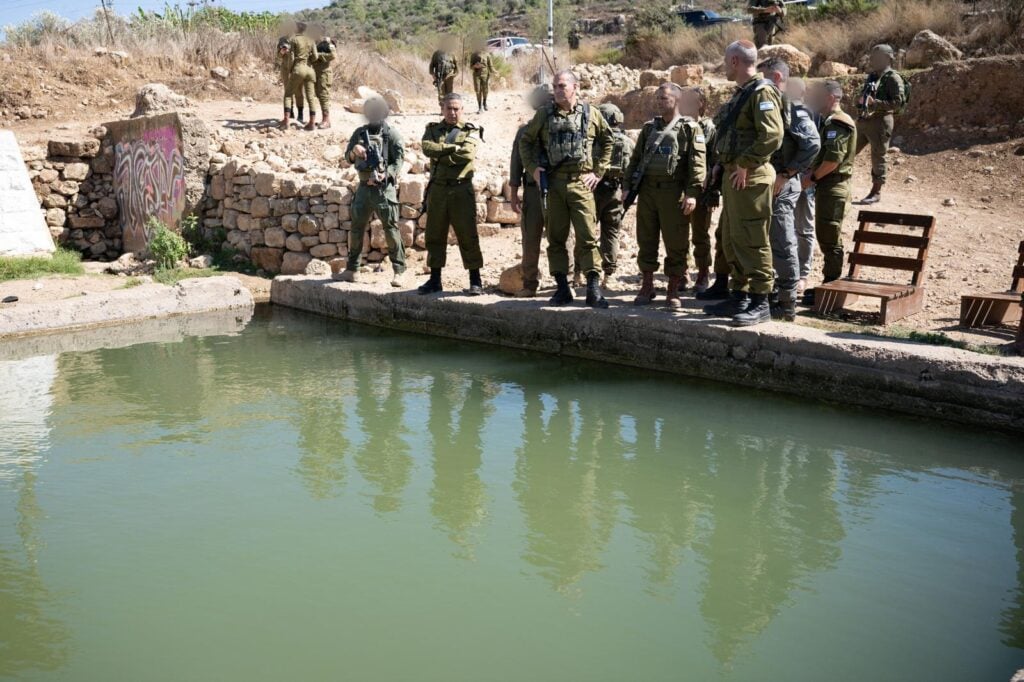
2+The attack occurred hours before Yom Kippur, when a terrorist opened fire at Israeli civilians visiting the Ein Raya spring adjacent to Neveh Tzuf in the Binyamin sector. The gunfire murdered Netanel Shakron, a resident of Alei Zahav and a father of six, who had arrived at the spring with his son. The child was unharmed.
Following the shooting, the gunman fled on foot. An IDF tracker operating in the vicinity engaged the fleeing assailant with gunfire, wounding him. Closing an intensive tactical manhunt, elite undercover fighters from the Duvdevan unit tracked the wounded terrorist to a hospital in Ramallah, taking him into custody while he was receiving medical treatment. Following the attack, the IDF imposed closures on surrounding villages, dispatched reinforcements, and launched investigative operations targeting the terrorist’s support network.
 2+
2+The capital punishment statute for convicted terrorists cleared its final reading in the Knesset plenum on March 30, 2026, in a roll-call vote backed by 62 lawmakers against 48 opposing, with one abstention. Both Prime Minister Netanyahu and Minister Ben-Gvir voted for the measure. The upcoming ministerial deliberation with the Military Advocate General will determine whether the State of Israel formally moves forward with its first capital prosecution under the new statute or pursues alternative military legal routes.