




Three distinct state security cases were uncovered in rapid succession on Friday (18.09), all sharing a glaring common denominator: systematic attempts by hostile external entities to establish contacts within Israel and Judea and Samaria, recruiting domestic operatives to carry out security and intelligence missions against the state during wartime.

In the first case, security forces detained a Palestinian woman in her 30s, a resident of the village of Beitin in Samaria employed as a correspondent for an Iranian-affiliated media outlet. The Samaria Crime Fighting Unit (YALP) in the Judea and Samaria Police District is examining the scope of her direct ties with operatives of the Iranian regime, alongside suspicions of trading with the enemy, incitement to terrorism, supporting a hostile organization, and undermining the security operations of IDF forces. A military court extended her remand by seven days, until September 23.
Shortly after, authorities revealed a second espionage affair in the north. The Haifa District Attorney’s Office filed a severe indictment against Sultan Abu al-Heija, a 31-year-old Israeli citizen from Tamra. An intensive investigation by the Shin Bet and the Central Unit (Yamar) of the Northern District Police revealed that Abu al-Heija proactively initiated multiple contacts with the Izz ad-Din al-Qassam Brigades—the armed wing of Hamas in Gaza—offering covert support from within Israel. Furthermore, he established direct contact with Iranian intelligence elements. Security forces intercepted him before he could execute tactical operational directives assigned by his handlers in Tehran.

The third affair was likewise uncovered in the Galilee by the Shin Bet and the Lahav 433 National Crime Unit (Yahbal), who arrested Hamdan Hamdan, a 32-year-old resident of Majd al-Krum. The Coastal District Attorney’s Office is set to file a severe indictment against him on Sunday for maintaining contact with a foreign agent and executing security missions under her direction. Investigators established that over several months, Hamdan maintained continuous contact with a female operative from Lebanon while fully aware of her identity and ties to an enemy state. The Lebanese handler compensated him through an evasion scheme, purchasing commercial goods inside Israel and transferring them to him to circumvent financial monitoring systems.
While each of the three cases features distinct operational mechanics, together they illustrate the multi-pronged methods enemy networks use to gain a domestic foothold: from direct communication with terror organizations and intelligence services to task-oriented field operations to covert financial remuneration.
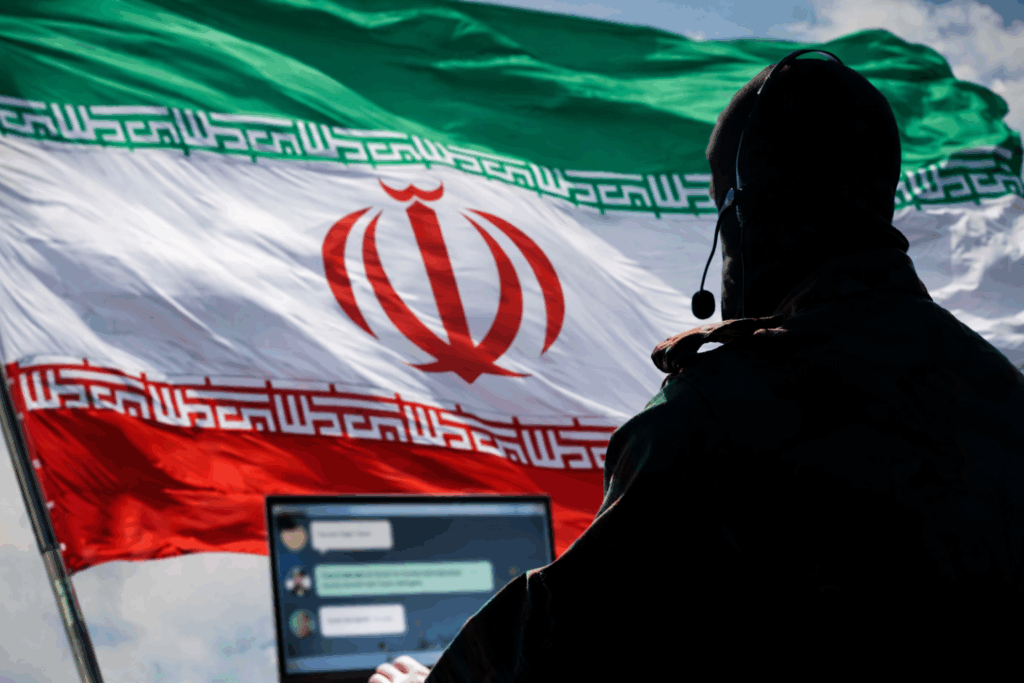
The Shin Bet and Israel Police have issued repeated public warnings against unsolicited overtures from foreign actors, particularly on social media networks seeking to solicit espionage services. The multi-front arrests follow the landmark sentencing earlier this week of Petah Tikva resident Alexander Gronovsky, who received 13.5 years in prison after confessing to operating on behalf of an Iranian agent—what state prosecutors described as the harshest sentence ever handed down in cases of this nature.