




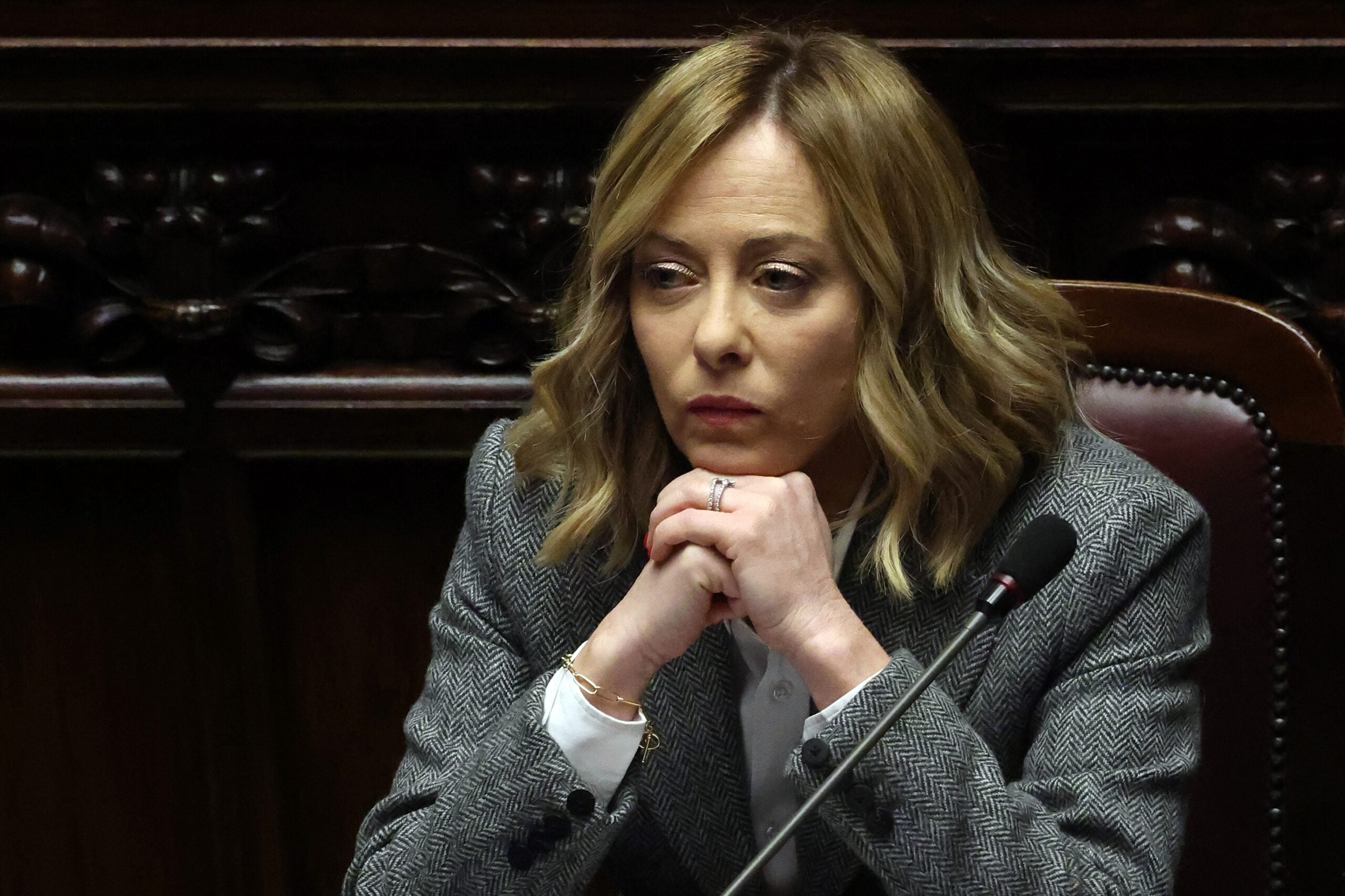
Six weeks after the migrant crisis in Ceuta, tempers in Spain are still running hot. Madrid hasn’t forgotten the countries that turned their backs—and has launched a revenge campaign with its first target: Italy. Giorgia Meloni’s government called immediately after the crisis began to remove Spain from the Schengen Agreement. In other words: the Italian prime minister wanted to kick Spain out of the shared border treaty—fearing migrants would use Spain as a gateway to Italy and the rest of Europe.

 1+
1+The Schengen Agreement established that border crossings between EU member states do not require passports to be stamped. Essentially, once a person enters EU territory, they don’t need to stamp their passport again as long as they’re moving between member states—a fact that could make it easier for migrants without passports to reach anywhere they want within the Union. That’s also why Italy, which doesn’t even share a border with Spain, panicked over the rush on the Ceuta border.
As mentioned, Spain hasn’t forgotten Italy’s attempt to remove them from the agreement and has decided to extend border checks at seaports and airports for travelers arriving from Italy through October. Local media also reported that Spain notified the European Union of its decision to extend these checks by 15 days.
 1+
1+It’s important to note that Italy’s move to remove Spain from the Schengen Agreement probably wasn’t relevant to the current crisis in Ceuta. That’s because such a move takes time, and the idea to implement it came after tens of thousands of migrants had already crossed the border. That means those migrants could have reached Italy well before such a move would have come to a vote.