



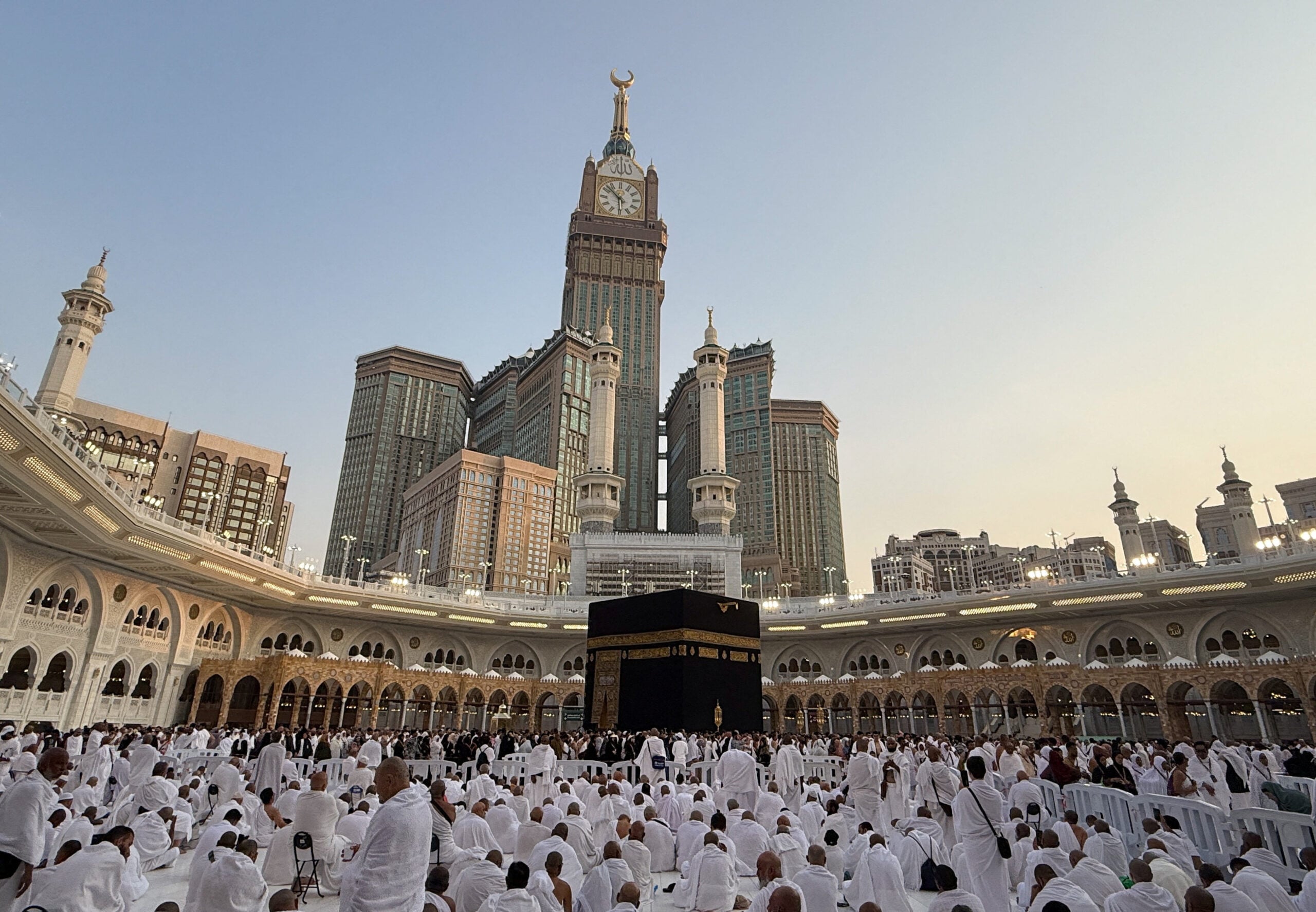
The Houthis in Yemen continue to expand their attacks on Saudi Arabia, with alerts today in sensitive areas across the kingdom’s west, including Jeddah and Taif. Sirens also sounded near Mecca, raising the stakes in the renewed confrontation between Riyadh and the Iran-backed rebels. Reuters reported that Saudi civil defense announced the danger had passed in several cities, including Jeddah, Abha, Jazan, Al-Ula and Taif, after emergency alerts were sent to residents.

 1+
1+The strikes come after the Houthis in recent days claimed responsibility for missile and drone attacks on Saudi targets, including a military base in Khamis Mushait. Saudi coalition spokesman Turki al-Maliki said 13 civilians were lightly to moderately wounded in the attacks on Khamis Mushait, Abha and Taif, and homes and vehicles were damaged.
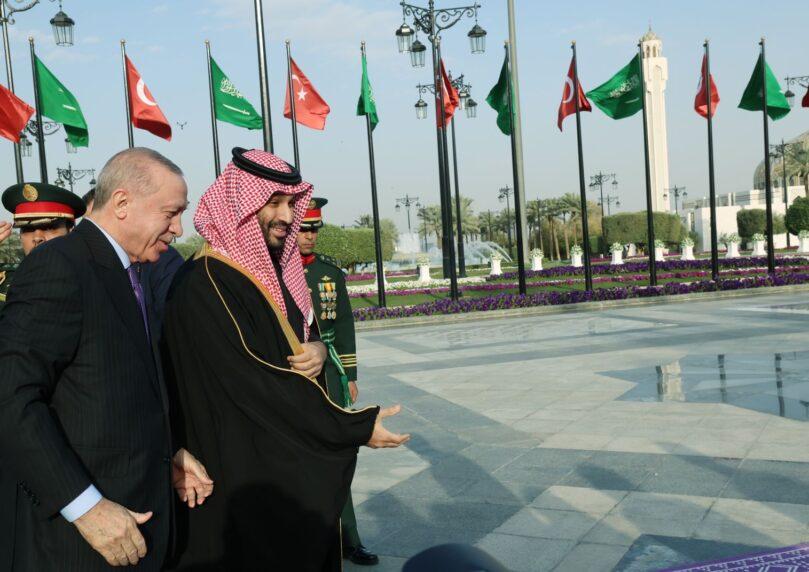
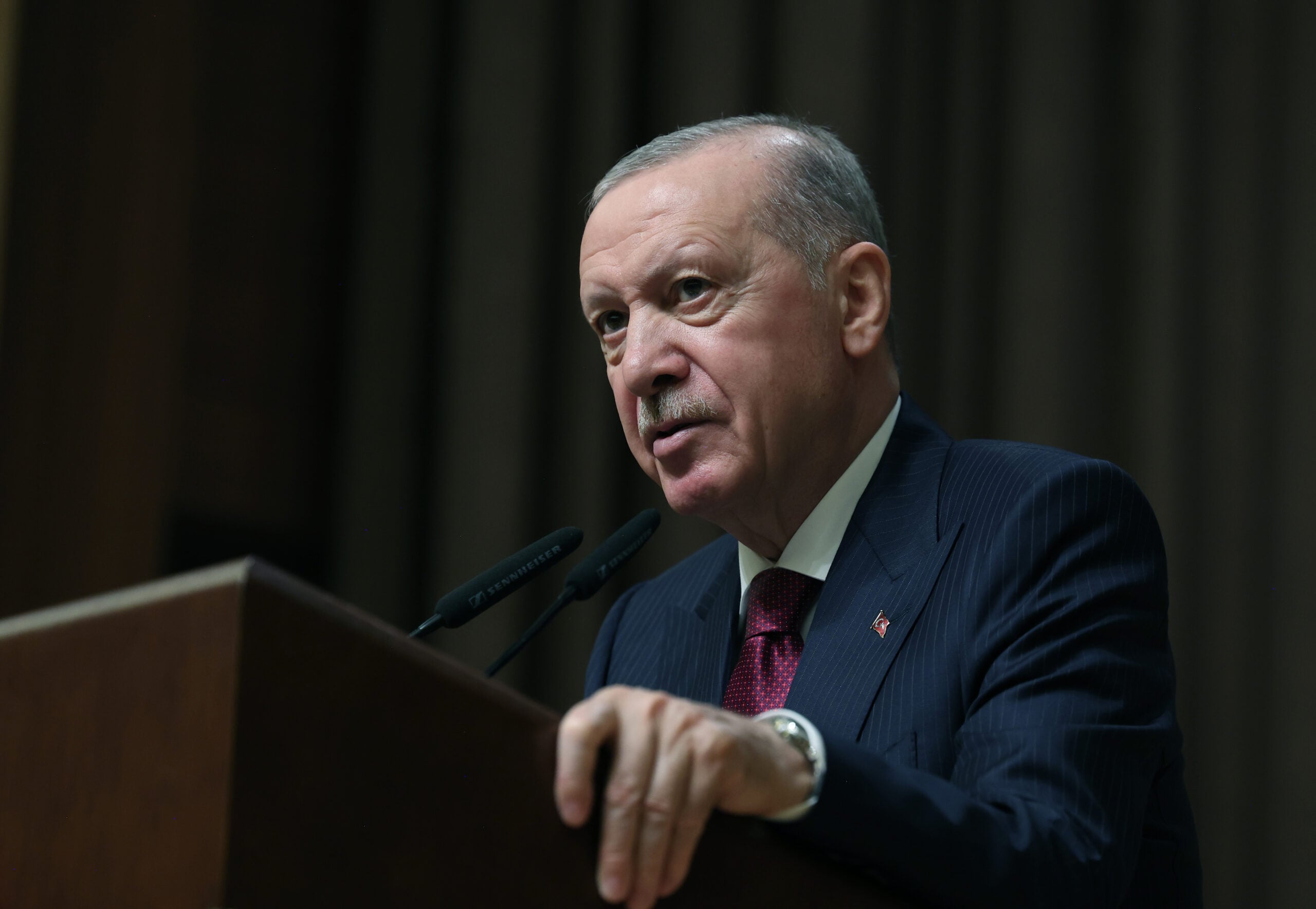
At the center of attention now is the “Mecca Pact,” the defense agreement signed last month by Saudi Arabia, Turkey and Pakistan. The pact was defined as a joint security commitment under which an attack on one country would be considered an attack on all. Yet so far, Ankara and Islamabad have limited themselves mainly to condemnations and statements of support for Riyadh, with no visible military action.
 1+
1+Pakistan made clear last week that no military response under the agreement is being discussed at this stage, though officials noted they would act “when the time comes” according to their commitments. Meanwhile, Turkey also condemned the attacks on Saudi Arabia and expressed support for its sovereignty, but announced no practical step beyond that.
The latest developments put Saudi Arabia in a complex strategic test: from the south, the Houthis are intensifying fire and consolidating control in key areas of Yemen; from the west, shipping lanes in the Red Sea and Bab al-Mandab are under threat; and from the north, pro-Iranian militias in Iraq have previously struck Saudi infrastructure. The new defense pact that was supposed to create regional deterrence looks for now mainly like a political framework—not a force providing Riyadh with an immediate response on the ground.