


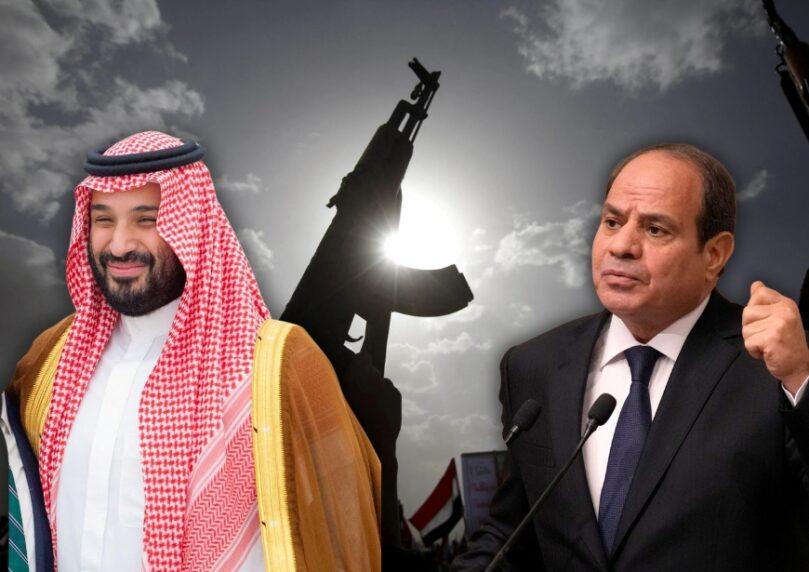

Saudi Crown Prince Mohammed bin Salman’s planned visit to Egypt comes as he tries to assemble a new military coalition against the Houthis in Yemen, following a string of victories by the pro-Iranian rebels around Bab al-Mandab. Britain has already announced it’s sending 100 senior military advisers to Saudi Arabia immediately, but the central question remains: Will Egypt agree to go deeper into the fight, or wait for an American solution?

 5+
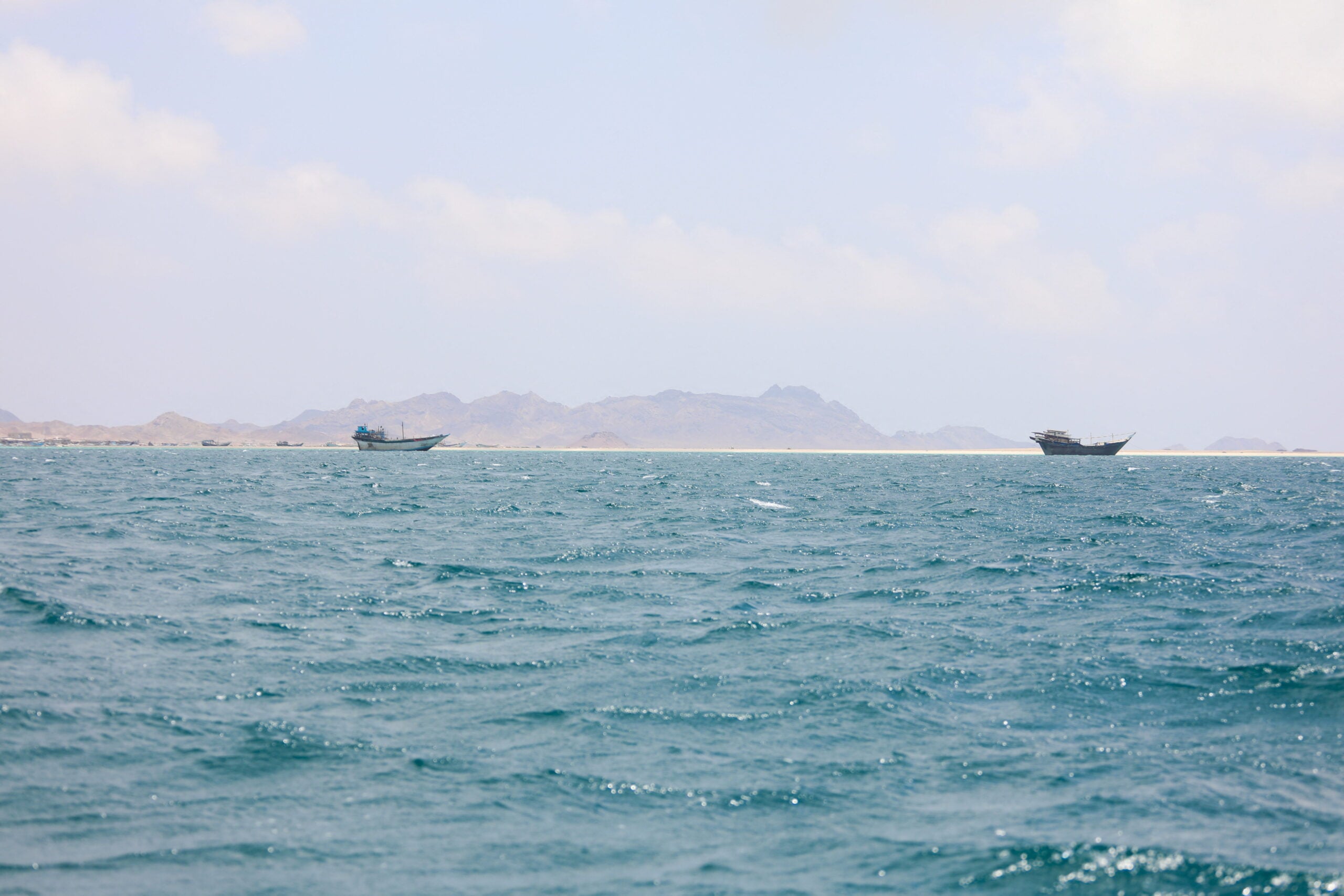
5+The Saudi move aims to create a broader regional front against the Houthis after their advance along the Red Sea coast and growing threat to shipping lanes. Recent reports described Houthi progress toward the Bab al-Mandab strait, including seizure of strategic targets in the Mokha area and Mayun Island—positions that give them significant leverage over one of the world’s most important trade routes.
In messages bin Salman delivered to Cairo, he framed the situation as a crisis that doesn’t affect Saudi Arabia alone. The Houthis could turn regional shipping lanes into an extortion tool, he argued, demanding “ransom” from countries seeking to move goods and oil through the Red Sea. For Riyadh, the implications are clear: if Bab al-Mandab effectively falls under Houthi control, Saudi Arabia loses a significant portion of its maneuverability precisely when the Strait of Hormuz is also under threat.
 5+
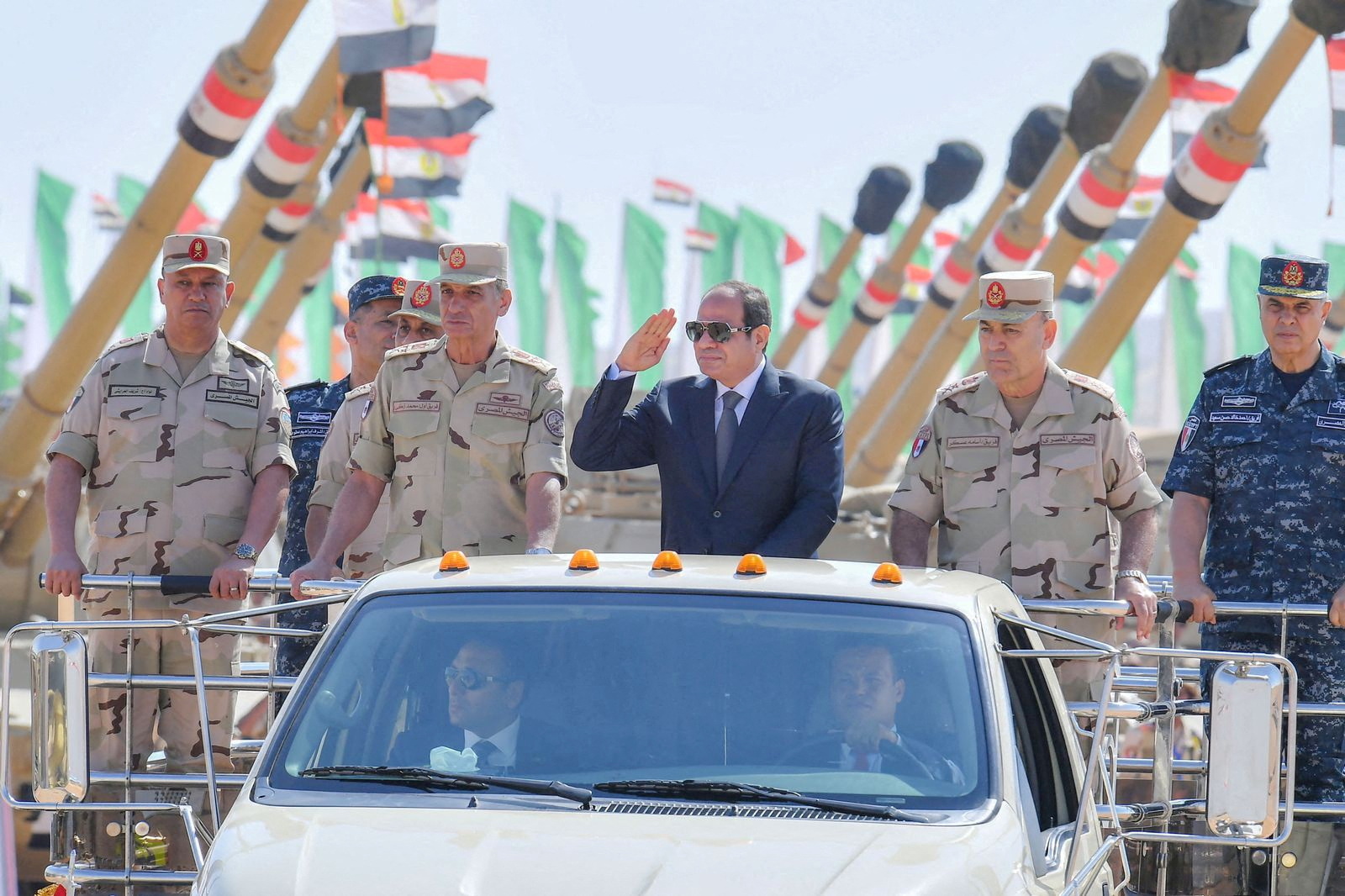
5+For Egypt, it’s both an economic and security dilemma. On one hand, the damage to the Red Sea has already cost Cairo billions. President Abdel Fattah el-Sisi said previously that events in the Red Sea and regional challenges cost Egypt about $7 billion in Suez Canal revenues in 2024, following a sharp drop in ship traffic through the area. On the other hand, openly entering the Yemen fight could drag the Egyptian military into a complex confrontation, far from home, against an armed and experienced militia.
Cairo understands the severity of the threat to the Suez Canal. The Houthis began attacking vessels in the Red Sea and Bab al-Mandab in late 2023, claiming to act over the Gaza war, and the damage to maritime traffic led many shipping companies to reroute around Africa. For Egypt, that means a hit to one of its most important sources of foreign currency, at a time when the domestic economy is already facing heavy pressure.
Meanwhile, Saudi Arabia is applying diplomatic pressure on its regional partners. According to Gulf diplomatic sources, the Egyptians support the Saudi position in principle and have also approached the Americans as part of efforts to formulate a broader response. But political support isn’t necessarily a willingness to join military action. El-Sisi has been careful so far to avoid direct confrontation with Iran or its proxies, and Egyptians remember well the price that could come from a ground war in Yemen.
 5+
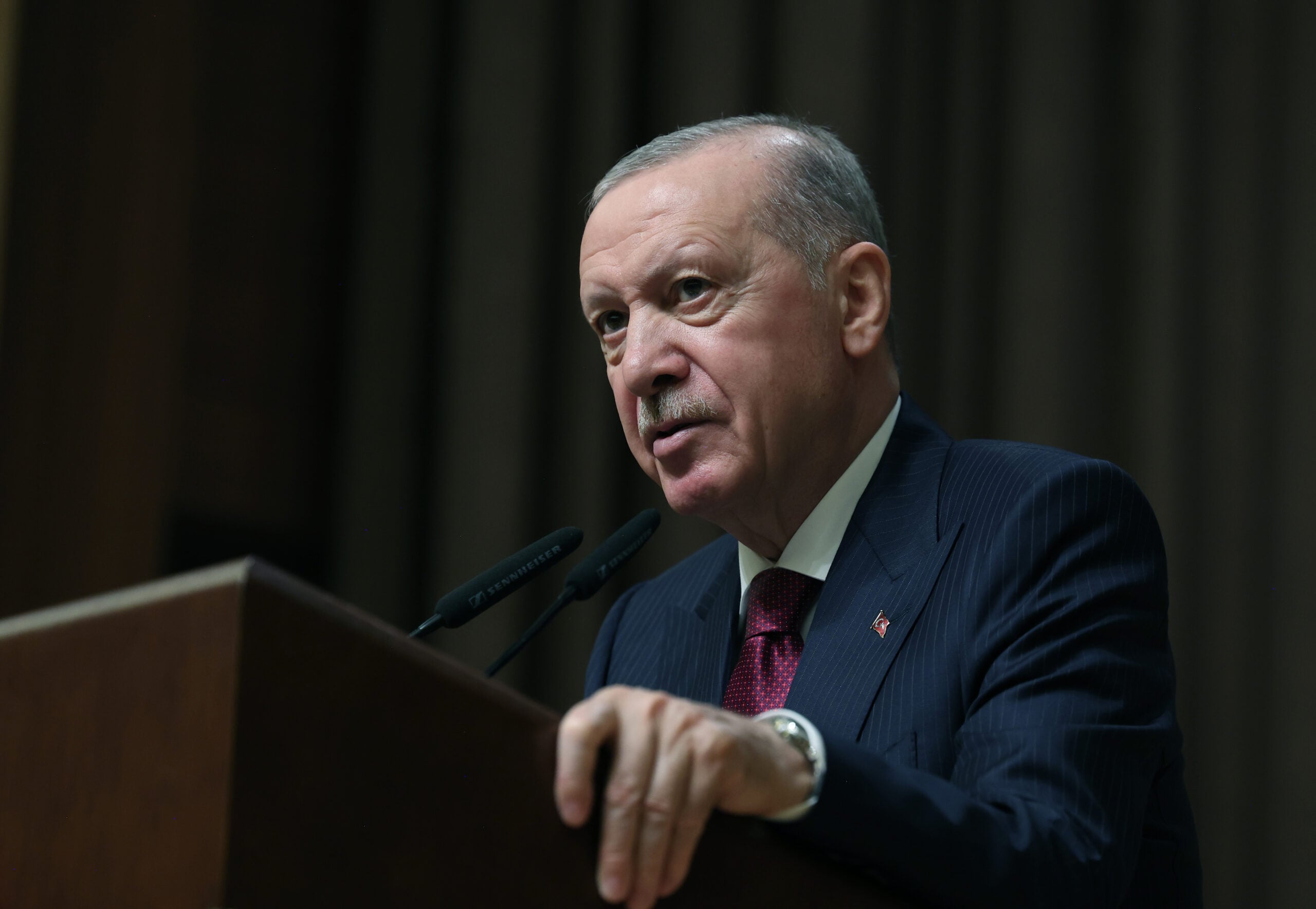
5+Egypt’s hesitation sharpens in light of other regional states’ responses. Saudi Arabia expected broader assistance from Turkey and Pakistan, but both are sticking to mediation efforts for now and aren’t rushing into direct military confrontation with the Houthis. For Riyadh, it’s a significant disappointment: defense alliances signed on paper don’t necessarily translate to battlefield support, especially when it means possible collision with Iran.
 5+
5+Meanwhile, Britain is increasing involvement. According to reports, the British government is reviewing a series of Saudi requests for military and operational assistance against the Houthis. Another report claimed London announced the immediate dispatch of 100 senior military advisers to Saudi Arabia. Earlier reports said Britain approved deployment of military advisers to the kingdom, but it’s still unclear whether it will respond to broader requests, such as operational assistance or direct protection of oil infrastructure.
British involvement comes as Washington also deliberates. The United States is helping its regional allies with intelligence and coordination, but according to reports, President Donald Trump has so far avoided a decision on direct entry into the campaign against the Houthis. In the background are fears of widening regional war, the economic cost of rising oil prices, and the fact that the U.S. military is already required to deploy significant resources in other theaters.
 5+
5+The main Western concern is sustained damage to oil flow and freedom of navigation. Oil prices rose in recent days to levels above $100 per barrel, partly due to damage to the Saudi east-west oil pipeline and Houthi control of critical targets around Bab al-Mandab. For Saudi Arabia, the implications aren’t just economic damage but also a strategic challenge: reduced ability to bypass Hormuz through Red Sea ports.
Bin Salman now seeks to assemble a broad Arab force that would lean on Egyptian military capabilities and gain American and British backing. For him, Egyptian involvement could change the balance of power and signal to the Houthis that the threat to shipping lanes won’t remain a Saudi issue alone. But Cairo sees a more complex picture: a Yemen war could quickly turn into a bleeding, expensive, and politically dangerous theater.
Therefore, despite Saudi pressure and heavy economic damage, the assessment is that el-Sisi won’t rush to declare joining a full military campaign. Egypt may deepen intelligence and diplomatic coordination, support a regional move against the Houthis and work with Washington, but open entry into fighting in Yemen is an entirely different step.
 5+
5+In other words, Bab al-Mandab has become a broad regional test: Saudi Arabia is looking for a coalition, Britain is already signaling military involvement, the United States is trying to avoid further entanglement, and Egypt must decide between the hit to its wallet and the risk of opening a new front. Meanwhile, the Houthis are exploiting this hesitation to consolidate their position around one of the world’s most important straits.