


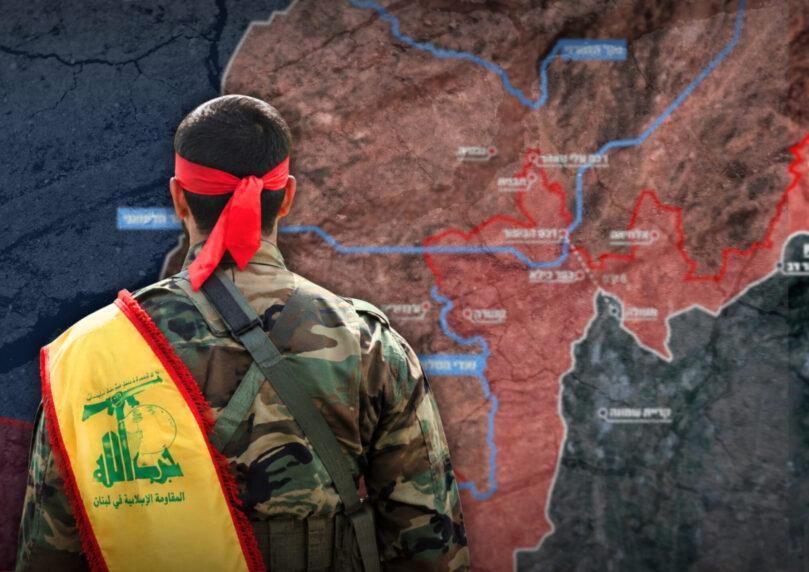

For months, Hezbollah warned that the Ali Taher ridge represented an uncrossable “red line.” Yet on Thursday night, the IDF systematically demolished the extensive underground bunker and tunnel complex carved into the ridgeline. Now, leaked audio recordings attributed to Hezbollah’s tactical communications network allegedly capture the desperate final moments of the fighting, triggering widespread derision and fury across Lebanon.

 4+
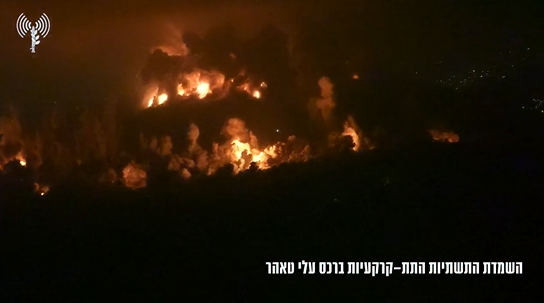
4+Following months of relentless operational activity by Israeli defense forces, Israel razed Hezbollah’s subterranean infrastructure along Ali Taher on Thursday night. The underground network, extending for more than two kilometers, directly overlooked Metula and posed a constant threat to northern Israeli border communities.
IDF Spokesperson Effie Defrin characterized the operation on the ridge as an exceptional military achievement. Beyond the tactical victory, the fall of Ali Taher highlights the ever-widening chasm that has emerged in recent months between Hezbollah’s fiery rhetoric and the reality on the ground.
 4+
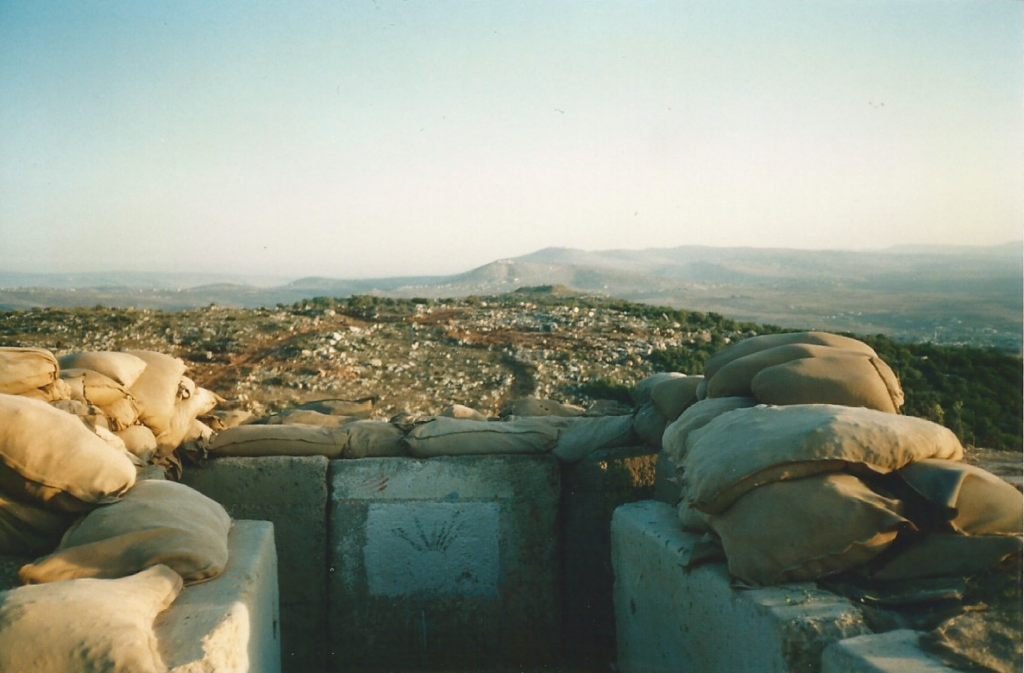
4+For months, Hezbollah figures insisted that any Israeli attempt to approach the ridge would trigger an overwhelming response. “The decision is made: any attempt to approach Ali Taher will be met by the Resistance,” declared Hussein Mortada, a journalist closely affiliated with the group, during a broadcast last month.
Senior Hezbollah official and Lebanese parliamentarian Hassan Fadlallah similarly asserted in June that the terror group alone would dictate the fate of the high ground: “What we agree to will happen,” he said. “And as for what we do not agree to: even if the entire world unites against us, they will accomplish nothing—at Ali Taher, Beaufort, or throughout the territory south of the Litani.”
 4+
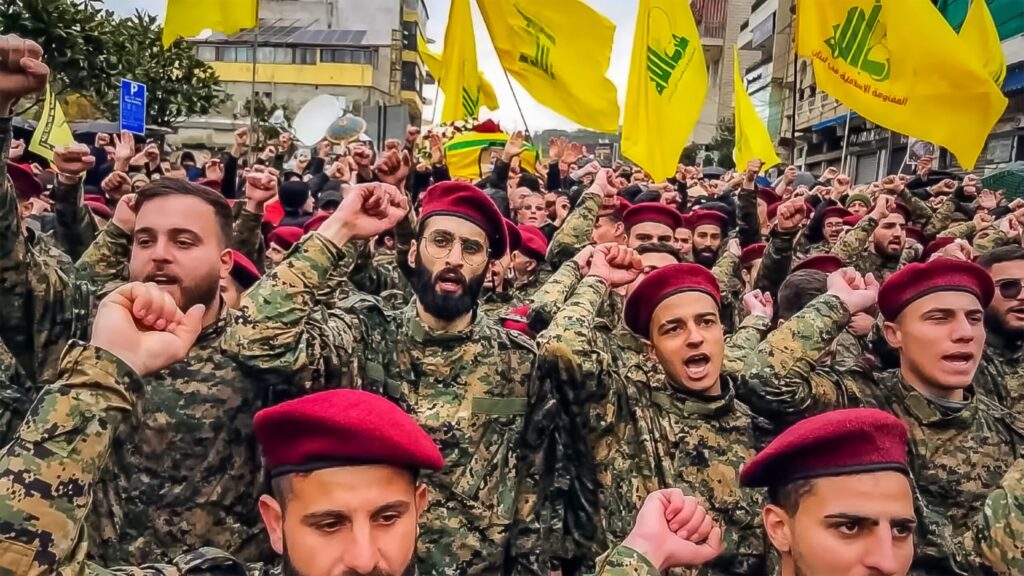
4+Yet on the ground, the ridge was captured and neutralized. The contrast between Hezbollah’s brazen pronouncements and its operational defeat turned into fuel for ridicule and outrage across Lebanese social media over the weekend.
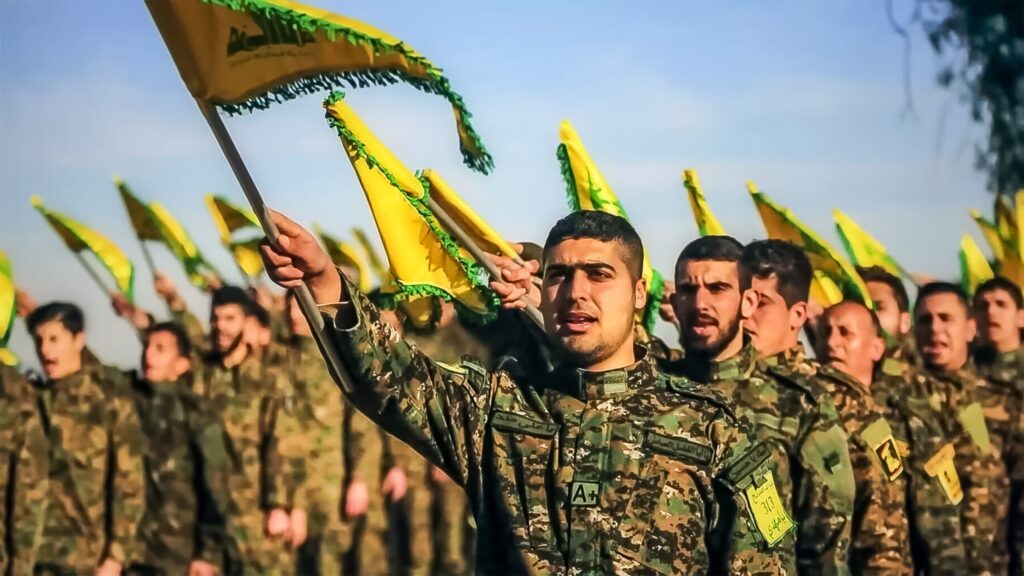
Compounding the embarrassment, leaked radio transmissions purportedly from Hezbollah fighters in their final moments on the ridge circulated online. In one clip, an operative can be heard issuing a bitter lament: “Your brother is fighting alone, after being completely abandoned.” In another recording, a voice despairs: “Two months—for two months you have made a mockery out of us. Woe to you from Allah. The situation is extremely dire.” The fighter continues to cry out over the radio, emphasizing that no help ever arrived: “Nobody came! Nobody came! Where are the reinforcements?”
 4+
4+The intercepted transmissions were also broadcast on the Al Arabiya network, plunging Hezbollah into further public humiliation. A Lebanese political analyst noted that the operatives inside the tunnels clearly felt discarded. He added that Iran, which had purportedly threatened to intervene directly should Ali Taher fall, took no action and has no intention of doing so.
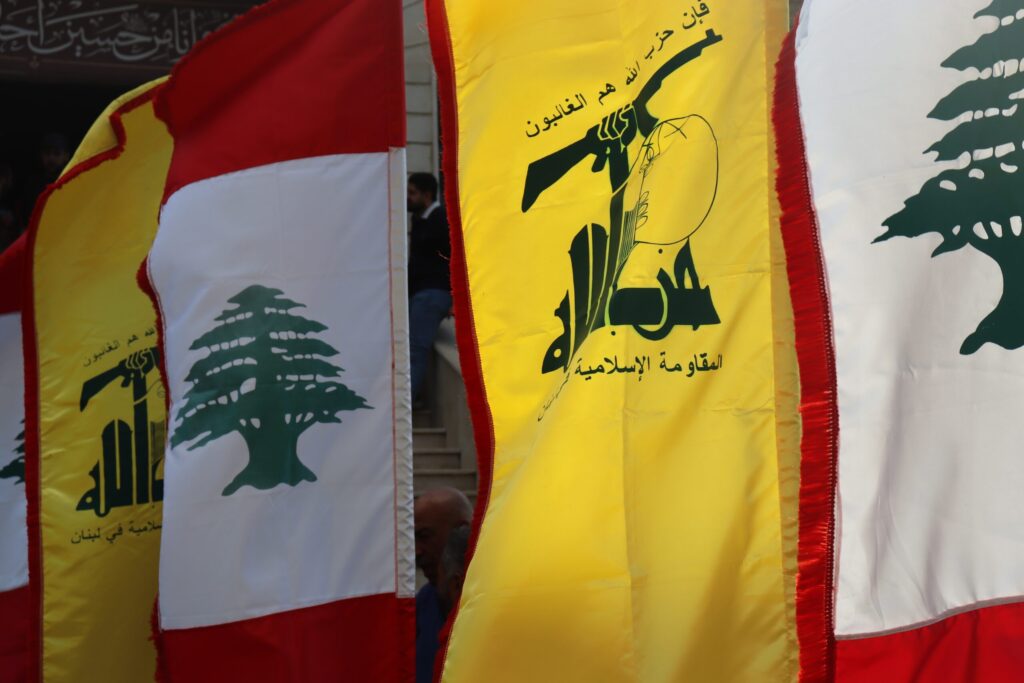
Simultaneously, voices inside Lebanon are increasingly holding Hezbollah directly accountable for the country’s compounding ruin. In Beirut, a memorial ceremony was held yesterday for Bashir Gemayel, who cooperated with Israel and was assassinated shortly after being elected president of Lebanon. The gathering doubled as a visible display of strength by domestic opponents of Hezbollah, featuring public calls for peace between Lebanon and Israel.
 4+
4+Hezbollah has sustained punishing blows over the past two years, both militarily and reputationally, allowing internal rivals to reemerge. However, analysts caution against premature eulogizing. Hamas was likewise widely viewed as deterred until October 7. Hezbollah is expected to pursue rehabilitation, rebuild its depleted capabilities, and seek to re-establish its threat posture against Israel.