


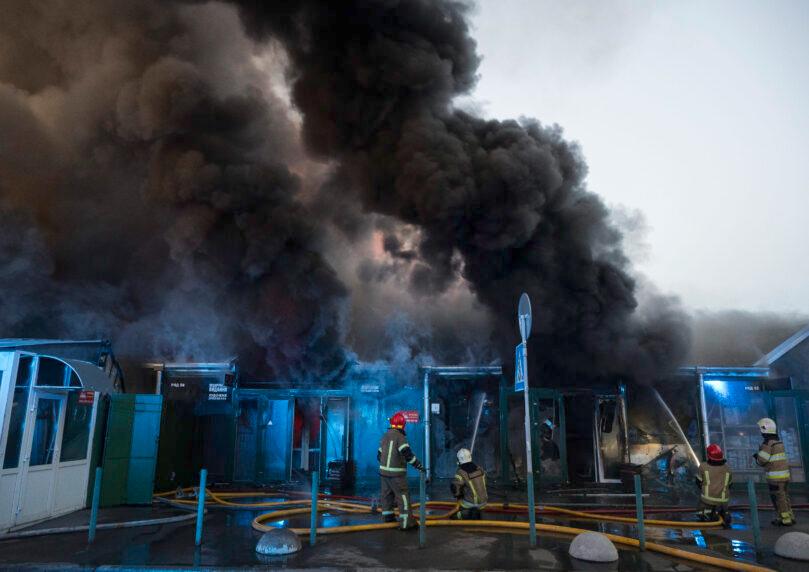

The war between Russia and Ukraine escalated sharply over the holiday as Moscow launched an expansive aerial campaign targeting infrastructure across Ukraine.
The strikes reached deep into the country’s western regions and areas along the frontier with NATO member state Poland, reigniting European alarm as hostilities edged perilously close to the alliance’s eastern flank.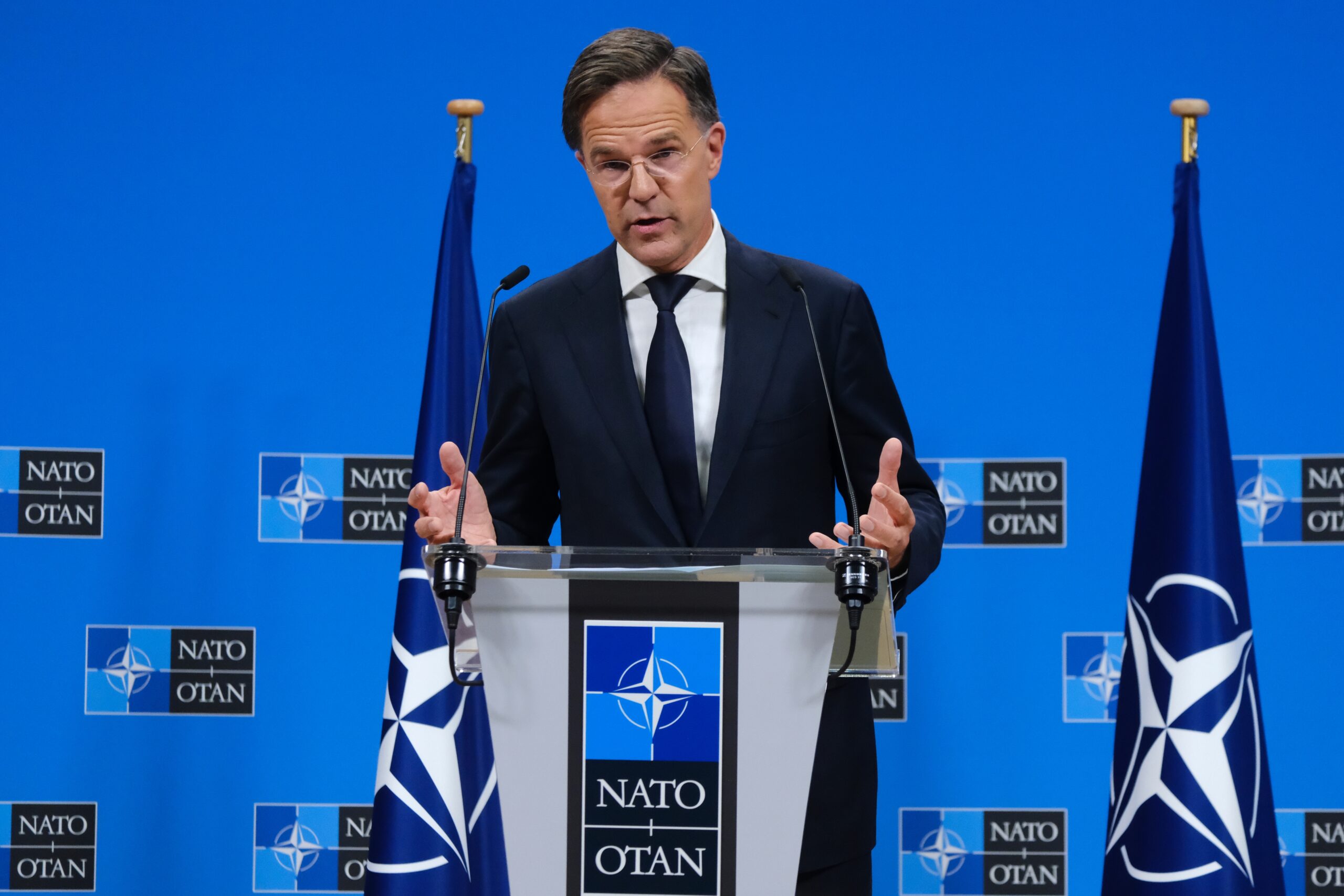

 2+
2+In one of the most prominent incidents, a Russian drone struck the locomotive of a passenger train roughly two kilometers from the Polish border.
The train had been evacuated before impact, and no injuries were reported.In a separate strike, a Russian drone hit the Yahodyn area approximately 800 meters from the border, prompting the temporary closure of the border crossing with Poland.
The transport artery is strategically critical to Kyiv, serving as the main transit gateway through which a major share of Western military equipment and humanitarian assistance flows into Ukraine.The cross-border impacts were part of an exceptionally large Russian barrage.
Hundreds of drones and missiles were launched across Ukraine, penetrating deep into western regions typically buffered from the primary combat zones.
The nationwide bombardment killed and wounded dozens of people while inflicting severe damage on transport systems, municipal infrastructure, and residential structures.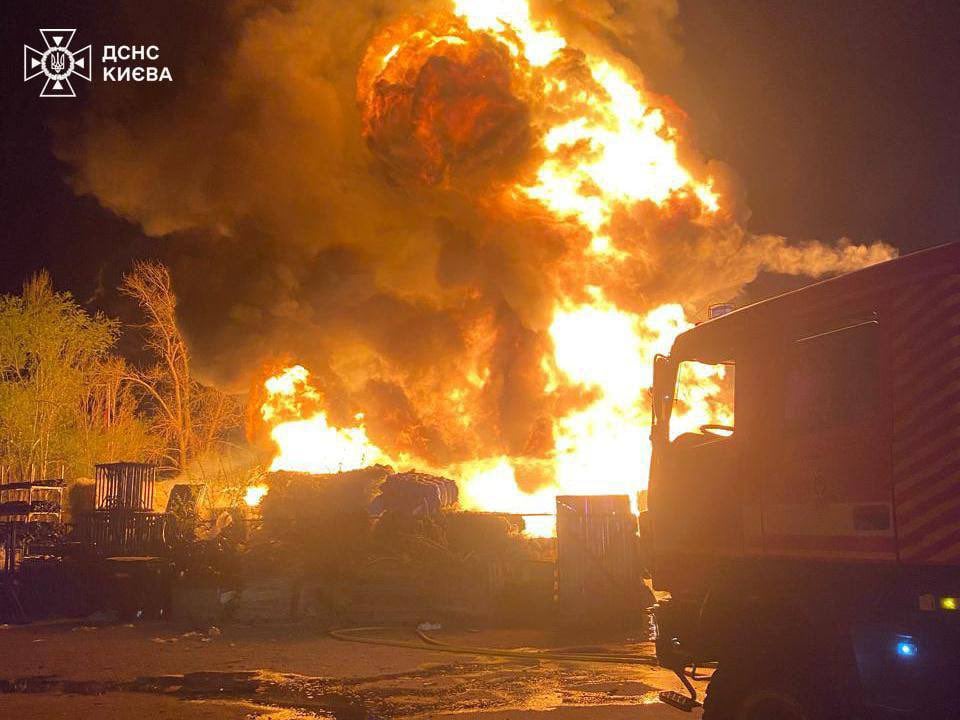 2+
2+The strikes drew international scrutiny as a delegation of senior Western dignitaries departed an international forum in Kyiv along the same route.
Former British Prime Minister Boris Johnson, former Swedish Prime Minister Carl Bildt, and numerous European security advisers passed through the rail artery shortly before the strike.
While not aboard the locomotive that was struck, they were traveling along the corridor; former CIA Director David Petraeus was likewise in the sector and was evacuated from another train.The developments have deepened alarm across Eastern Europe regarding expanding Russian provocations. Polish authorities issued warnings against escalating Russian brinkmanship along Ukraine’s European frontiers. Polish Foreign Minister Radosław Sikorski called on NATO to ramp up military pressure on Moscow through drills near Kaliningrad, aiming to force Russia to divert resources away from the Ukrainian front lines.
 2+
2+Yet alongside the kinetic escalation, fresh diplomatic maneuvers are emerging.
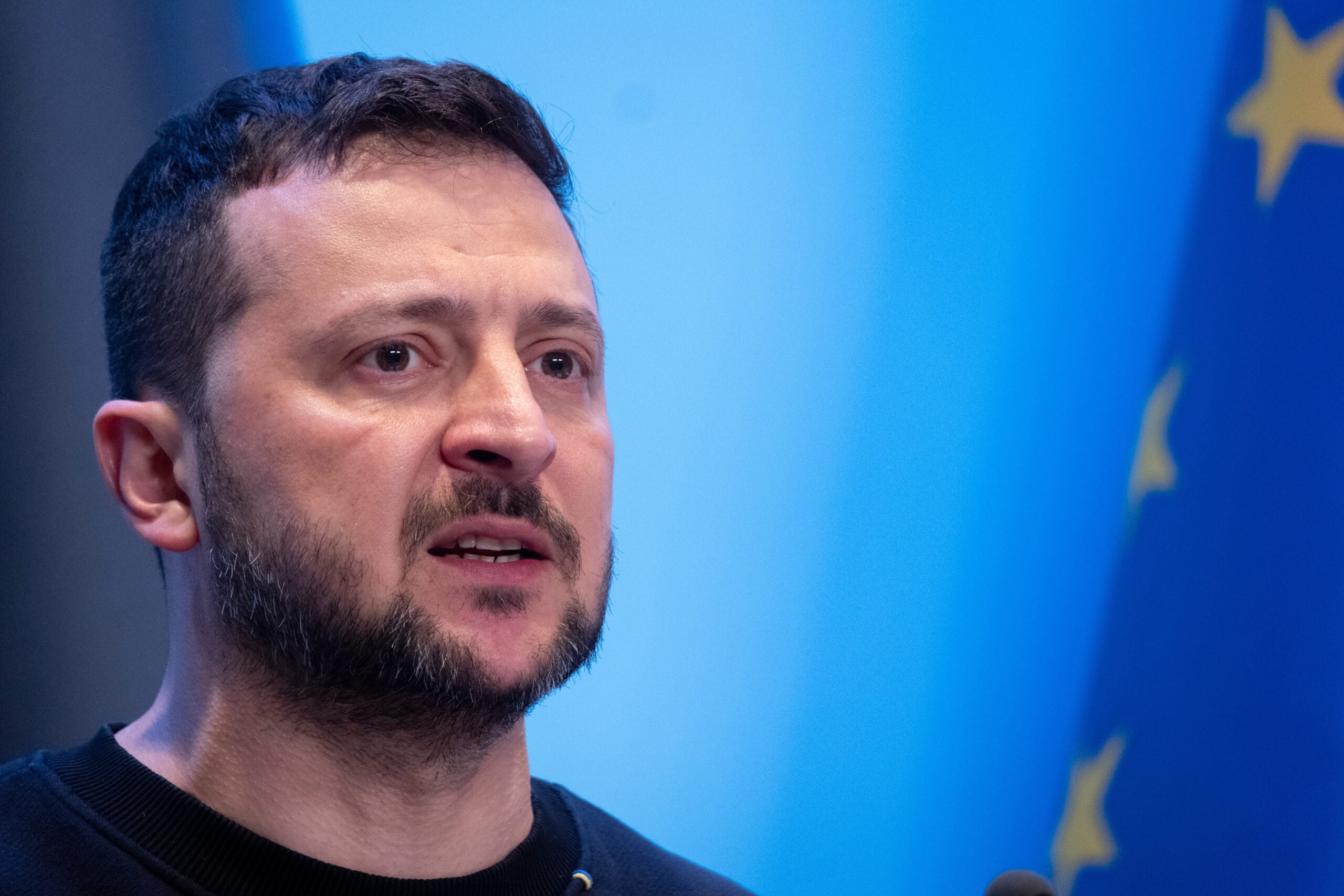
The Head of the Office of the President of Ukraine, Kyrylo Budanov, announced that Kyiv is laying the groundwork to resume trilateral discussions with Russia and the United States this October.
A prior round of discussions took place in Geneva in February before American efforts slowed, partly because Washington focused on Middle Eastern tensions involving Iran.President Volodymyr Zelenskyy suggested hosting the upcoming round in Turkey, the United Arab Emirates, or Switzerland, following recent consultations by US envoys Steve Witkoff and Jared Kushner in both Moscow and Kyiv. The Kremlin noted that while Russia does not rule out returning to the negotiating table, timing and location remain premature. With the core dispute over territorial control in eastern Ukraine unresolved, the diplomatic posturing unfolds against the backdrop of an intensifying war on the ground.