


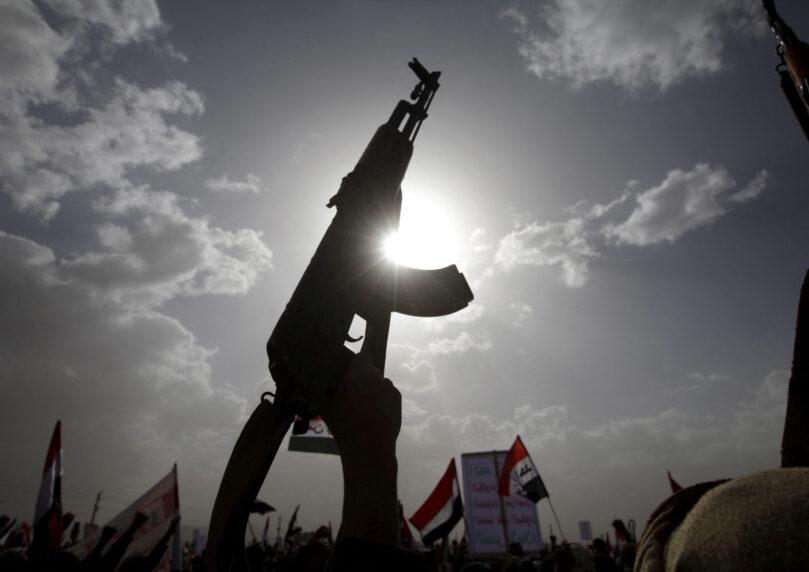

A fresh security escalation shook the Gulf over Shabbat as two individuals were wounded when a projectile launched by the Houthi terrorist organization struck the Al-Tuwal area of the Jizan Province in southern Saudi Arabia. According to Saudi Civil Defense officials, the impact inflicted direct structural damage on a local mosque, surrounding buildings, and several vehicles. Simultaneously, the Houthis claimed responsibility for launching a salvo of missiles and uncrewed aerial vehicles targeting a military base in the kingdom, alleging strikes on weapons depots and command installations.

 1+
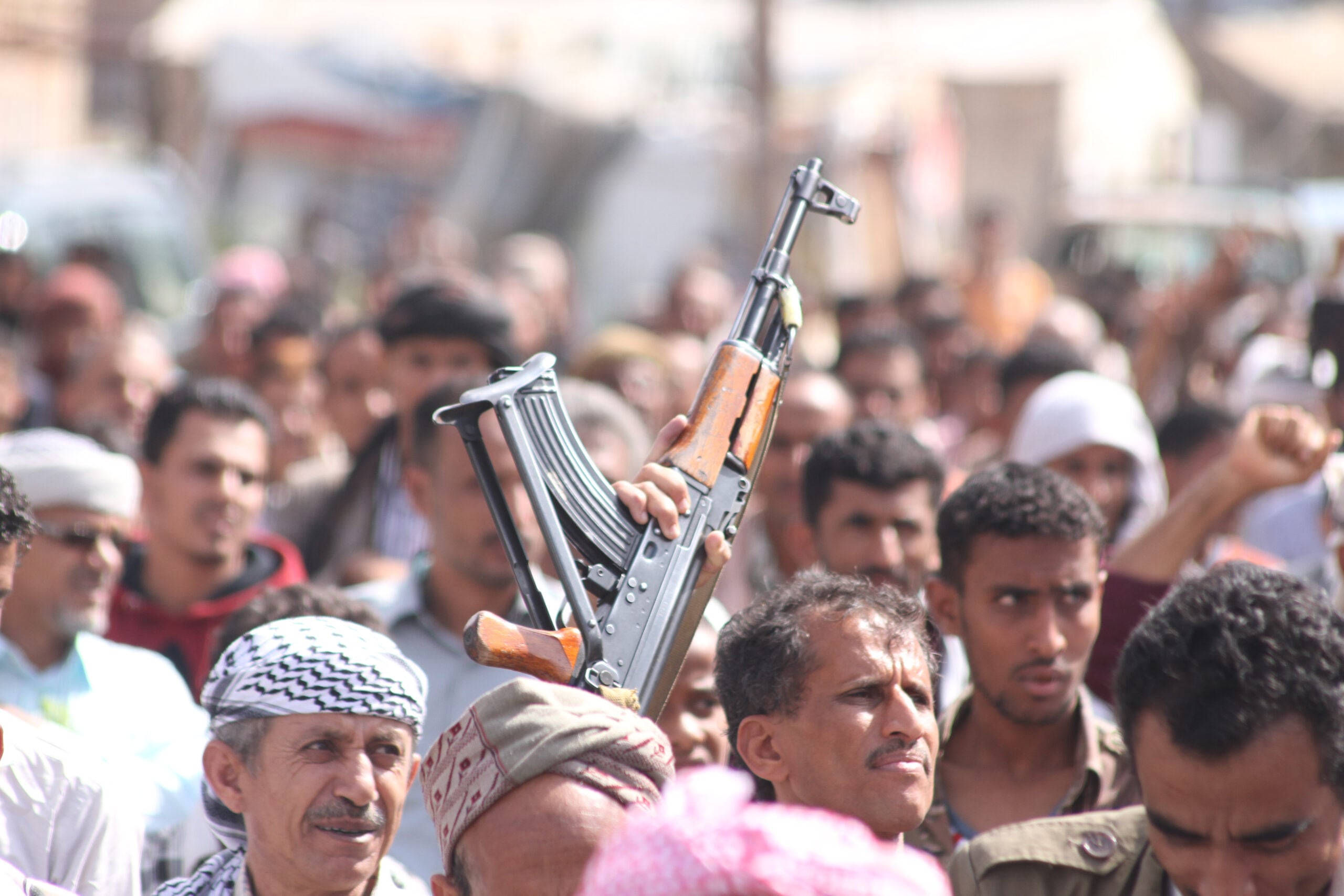
1+Despite the cross-border strikes aimed at Saudi Arabia, United States President Donald Trump revealed that the militia has actively sought to avoid direct military conflict with Washington. According to Trump, Houthi representatives reached out directly to his administration, clarifying that they harbor no desire to escalate tensions against American forces. “They called us, and they do not want to fight us,” Trump stated, noting that he turned down a direct request from Saudi Crown Prince Mohammed bin Salman for kinetic US airstrikes in Yemen, opting instead to limit American involvement to intelligence sharing.
 1+
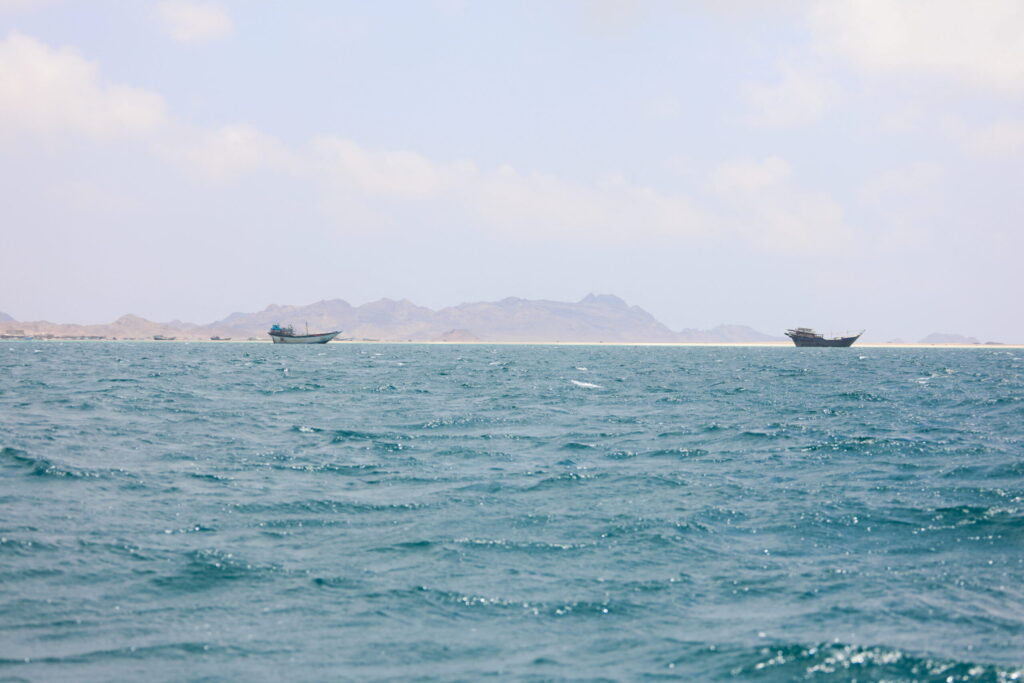
1+The weekend’s skirmishes follow an aggressive ground blitz conducted by the Houthis on Friday, during which the insurgents captured key strategic strongholds in southwestern Yemen—including the coastal town of Dhubab, Perim Island, and the port city of Mokha. Complete Houthi control of these strategic coastal positions gives them direct tactical leverage over maritime traffic through the Bab el-Mandeb Strait. That immediate shipping threat has already driven global crude oil benchmarks surging past $104 per barrel.
In Tehran, regime officials quickly lauded the rebels’ territorial gains along the Red Sea coast. At the same time, Western powers and regional stakeholders harbor mounting anxiety over protracted disruptions to international freedom of navigation and global energy markets.