


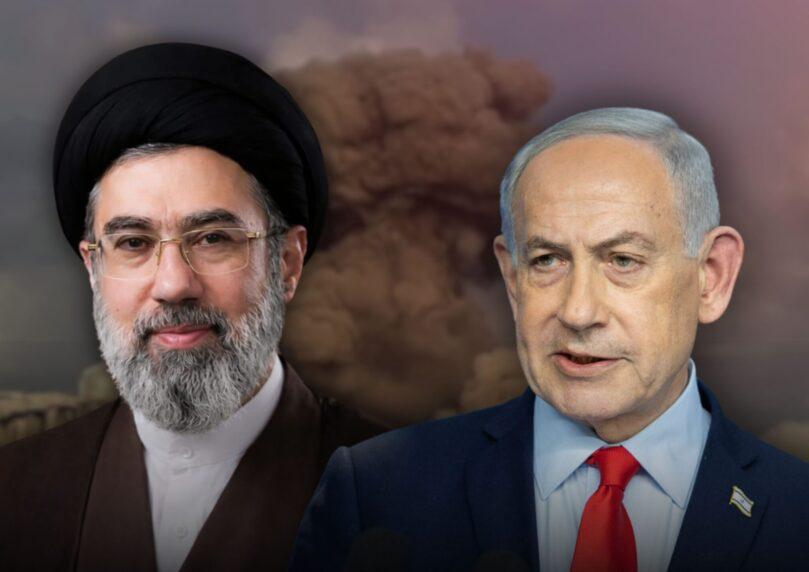

Israel completed one of its most significant operations in southern Lebanon Thursday evening: destroying Hezbollah’s underground infrastructure network at Ali Taher Ridge and securing the buffer zone. But beyond the blow to the terror organization, the move has another address—Tehran.
The timing is particularly sensitive. Just before the Jewish High Holidays, Israel is maintaining high alert across all combat zones, with a possible escalation with Iran at the center of concern. In the background are the Islamic Republic’s attempts to rebuild damaged capabilities and new American threats against its nuclear program.
During the fighting for Ali Taher, Reuters reported that Iran sent a warning to the United States that it would respond if Israel acted against the compound where Hezbollah terrorists were fortified. Israel didn’t back down—and Thursday evening the operation was completed.
The message takes on added significance given what was uncovered inside the mountain. According to Israel, the strategic tunnel network was built over two decades with Iranian funding and planning, was intended in part to serve as a base for the plan to conquer the Galilee, and functioned as a nerve center for Hezbollah’s Badr Unit.
IDF Spokesperson Brig. Gen. Efi Defrin, who entered the tunnels after the operation was completed, pointed a finger directly at Tehran: “This network was built over two decades, with funding and direction from the Iranian terror regime.” According to him, combat equipment manufactured in Iran was also found in the tunnels. “This is further proof that the Hezbollah terror organization is an arm of the Iranian terror regime,” he said.
Trump Warns: “We’ll Have to Hit Them Very Hard”
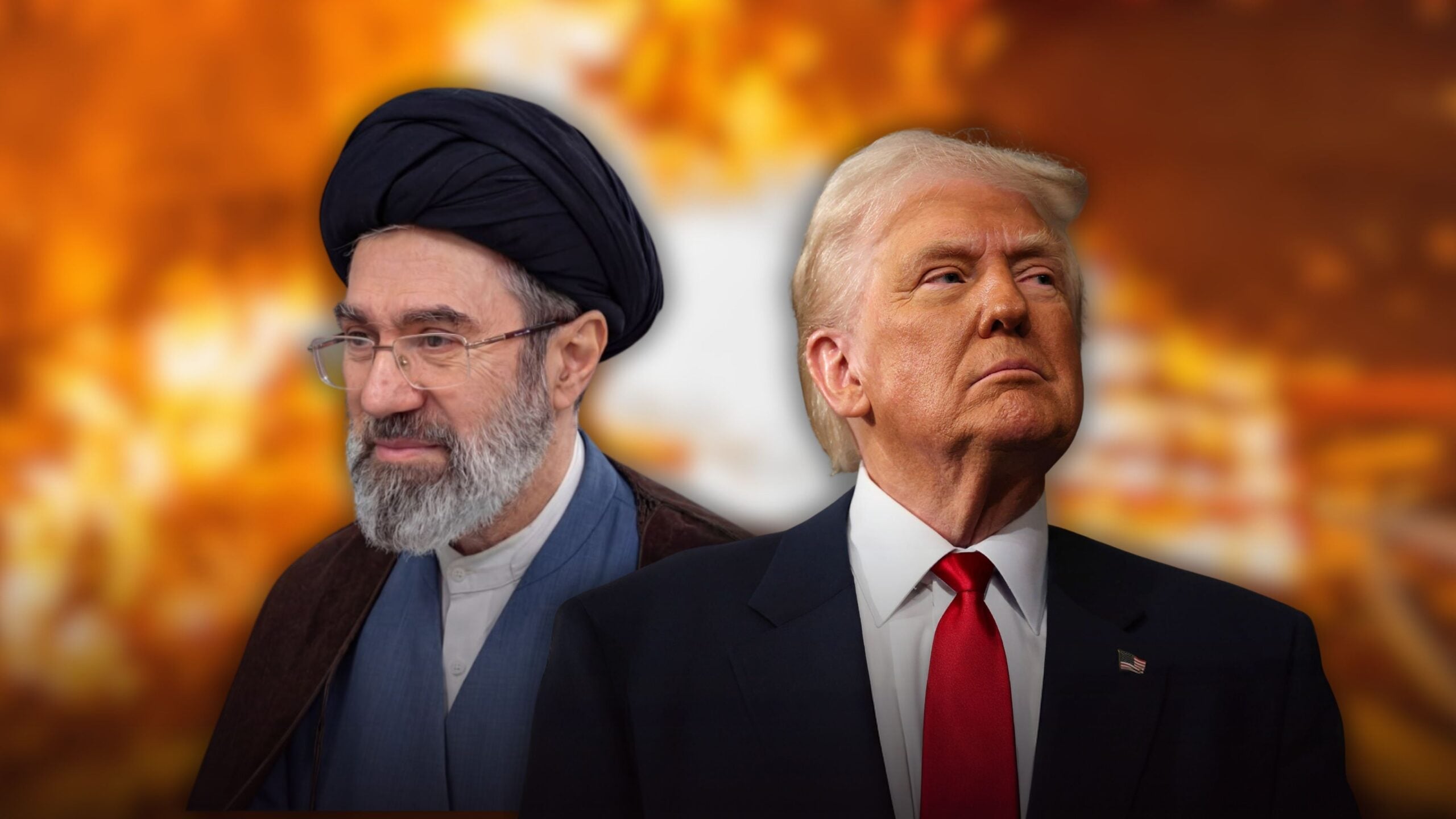
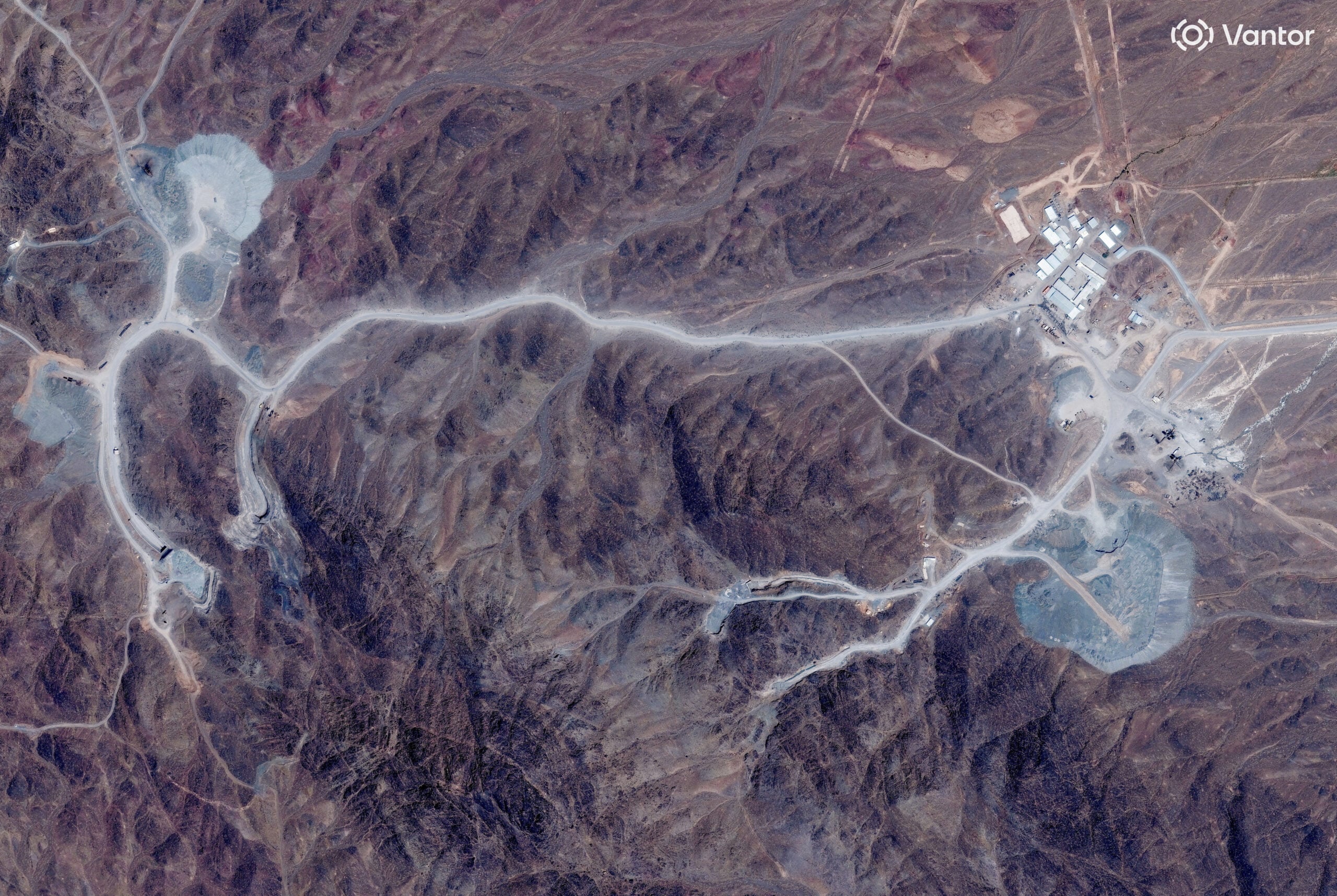
But Lebanon is only part of the picture. Parallel to the Israeli operation against Iran’s northern proxy, President Donald Trump issued a direct threat to Tehran in the past 24 hours following activity detected at Pickaxe Mountain—a fortified site with underground facilities near the Natanz nuclear facility.
Trump warned Iran not to take provocative steps at the site and made clear the United States might strike it if the activity continues. “I suggest Iran not get smart, because we’ll have to hit them very hard,” he said.
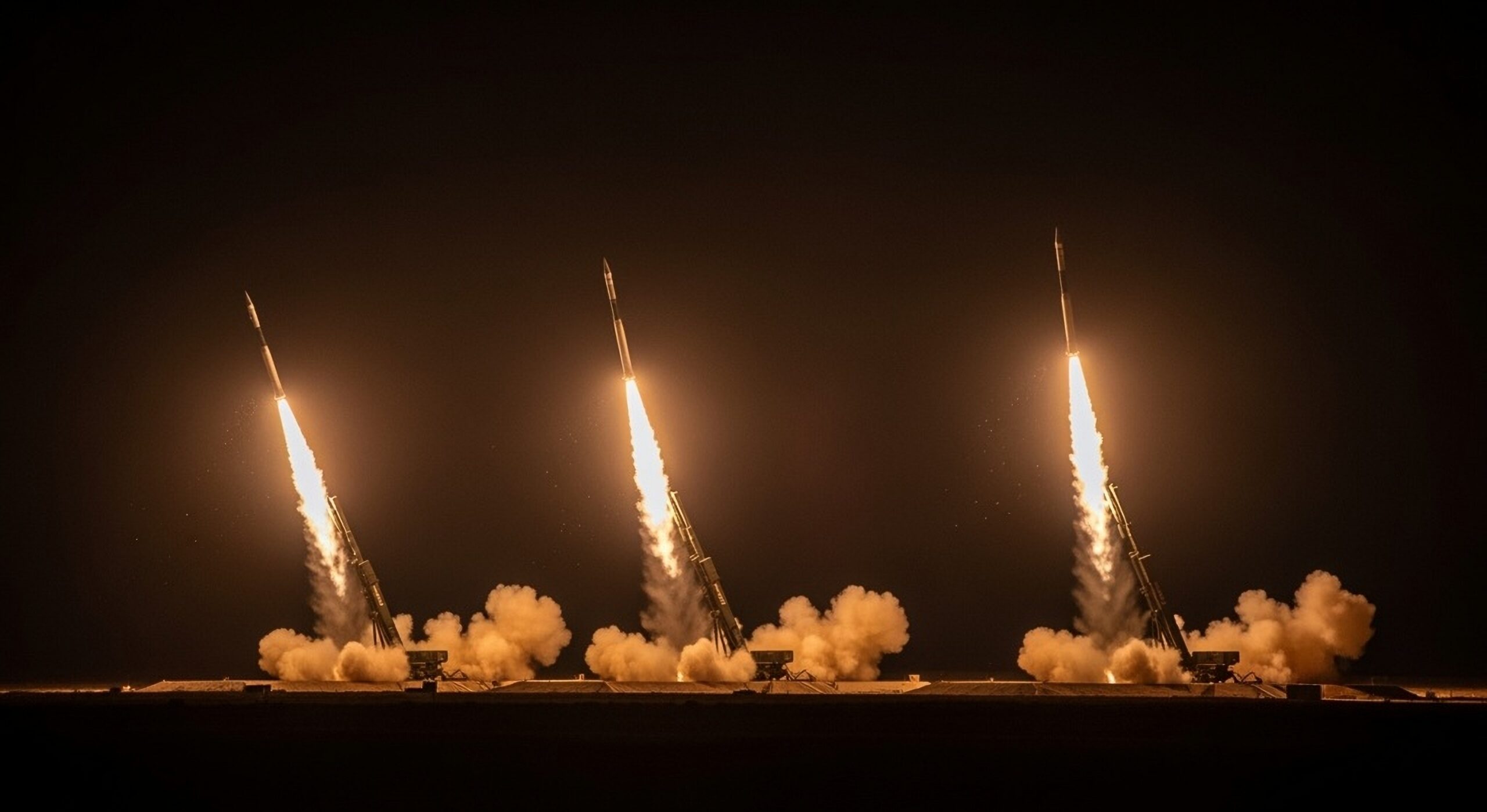
Meanwhile, reports emerged today that Iran has resumed production of its ballistic missiles, using remaining components and underground facilities. According to the report, the activity is taking place on a smaller scale than before, but Tehran is also working to establish new underground assembly points to make future strikes more difficult.
Tension is also rising on the nuclear front: in recent days the International Atomic Energy Agency warned about the difficulty of monitoring Iranian nuclear material, while the United States and European countries are applying additional pressure on Tehran.
The Israeli Message: We Won’t Let Iran Recover
Prime Minister Benjamin Netanyahu also addressed Iranian attempts to rebuild their capabilities Thursday evening, declaring that Israel will not allow Tehran to obtain nuclear weapons. At the same time, in a joint statement with Defense Minister Israel Katz after the destruction of the infrastructure at Ali Taher, the Iranian connection to the compound was emphasized and it was made clear that Israel will continue to operate from within Lebanon against Hezbollah’s attempts to rebuild its strength.
Defrin also chose to end his remarks at the ridge with a message that goes beyond the Lebanese arena alone: “Just as we acted here, we will continue to act along all the borders. We will continue to be a buffer between any threat and the citizens of the State of Israel.”
Will Iran Respond?
As of now there is no public indication allowing a determination that Iran has decided to respond directly to the destruction of the compound at Ali Taher. Hezbollah itself has so far refrained from a response that would fundamentally change the rules of the game following the loss of the ridge.
But the accumulation of events creates particularly sensitive days: Israel destroyed infrastructure that Hezbollah saw as a strategic asset and that was built with Iranian assistance; Tehran is trying to rebuild its missile systems; the United States is threatening another strike if activity at the fortified nuclear site continues; and Israel is entering the holiday period with alert status in multiple arenas simultaneously.
Therefore the question now hovering over the region is not only how Hezbollah will respond to the loss of Ali Taher—but whether Iran will choose to view the destruction of one of the strategic assets it built for its Lebanese proxy as grounds for further escalation, or will prefer at this stage to avoid another direct confrontation with Israel.
Earlier Thursday evening our correspondent Hillel Bitton Rosen reported that senior political officials are conveying direct and unequivocal messages on two fronts—if Iran attacks, a severe war will break out, not a response or round of fighting: “We’ll destroy their energy infrastructure in short order.” Earlier today, a situation assessment was conducted at the Kirya with senior security officials, and at its conclusion it was decided to maintain alert at the highest level. This is so we can be prepared for defense—but if required, for an attack in short order.