


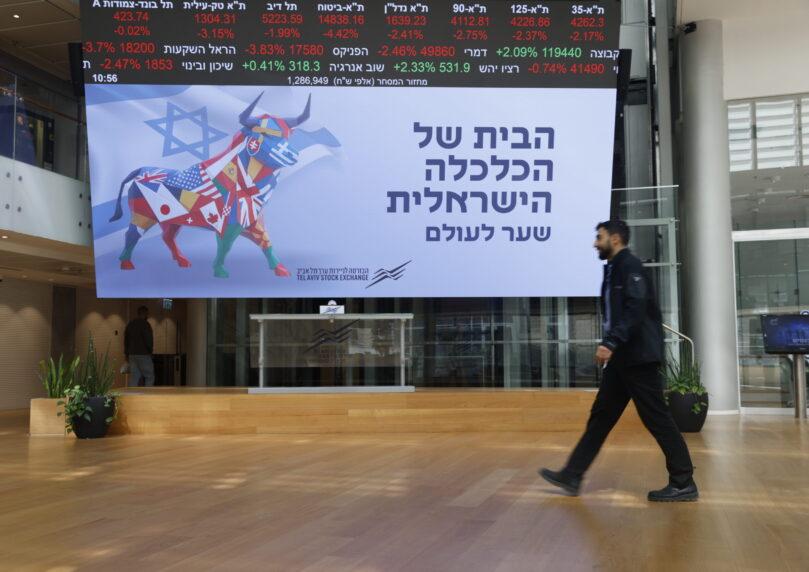
Trading on the Tel Aviv Stock Exchange closed sharply lower Thursday, mirroring a global sell-off triggered by U.S. producer price data and rising oil prices. The sour finish caps an exceptionally strong year in which Israel’s benchmark indexes delivered returns that beat most major Western markets.
The rally actually began in June 2025 with the launch of Operation “Rising Lion,” while a sharp drop in inflation provided tailwinds that drove exceptional returns. The flagship TA-35 index jumped roughly 37% over the year, while the TA-125 gained more than 30%—significantly outpacing most major Western indexes.
By comparison, the Nasdaq rose about 20% in the U.S., while the S&P 500 climbed roughly 17%. Europe posted more modest gains: Britain’s FTSE rose about 15%, Germany’s DAX strengthened around 7%, and France’s CAC managed just 6%.
The Asians Won
Japan’s Nikkei did manage to top the Israeli indexes, soaring nearly 50% in what appears to be one of the highest returns among major global benchmarks. The surge was fueled in part by massive global demand for artificial intelligence infrastructure, which lifted Japanese tech and chip stocks that carry significant weight in the index.
South Korean and Taiwanese indexes also posted sharp gains this year. South Korea’s KOSPI and Taiwan’s TAIEX stood out, though comparisons are complicated by the heavy weighting of a handful of individual companies in those indexes—mainly Samsung and SK Hynix in Korea, and TSMC in Taiwan.
Insurance Soared, Defense Stocks Disappointed
The insurance index delivered a dream return of more than 70% this year, making it one of the standout performers on the exchange. Close behind was the TA Cleantech index, which includes green energy companies, with a return of roughly 52%.
On the flip side, one of the disappointing indexes was the defense stocks index, which launched at the start of winter. The index initially surged, especially with the outbreak of the “Roar of the Lion” war, but later lost altitude and now trades below its launch level.
Real estate and construction stocks also struggled to post meaningful gains during the year. Despite recent rallies following the Bank of Israel’s decision to cut interest rates, indexes in these sectors remain around their levels from the start of the year. In sum, the Tel Aviv Stock Exchange wraps up an exceptionally strong year, with local benchmark indexes delivering higher returns than leading Western indexes. The question now is whether the strong momentum will carry into the coming year.