


The chief economist at Israel’s Finance Ministry released the July 2026 real estate report on Thursday, showing weakness across most housing market indicators—both compared to July last year and June this year. According to the ministry, July was one of the weakest months in the housing market since the early 2000s, with transaction levels seen only twice before.
According to the report, 7,692 apartments were sold in July, down 12% from June and 4% from July last year. Excluding apartments sold through the government’s affordable housing program, 6,582 apartments were sold in the free market—down 13% from June and 9% from July last year.
The new apartment market saw a sharp decline. 1,858 new apartments were sold in the free market, down 22% from June and 5% from July last year. Meanwhile, 4,724 resale apartments were sold, down 9% from June and 11% from July 2025.

 1+
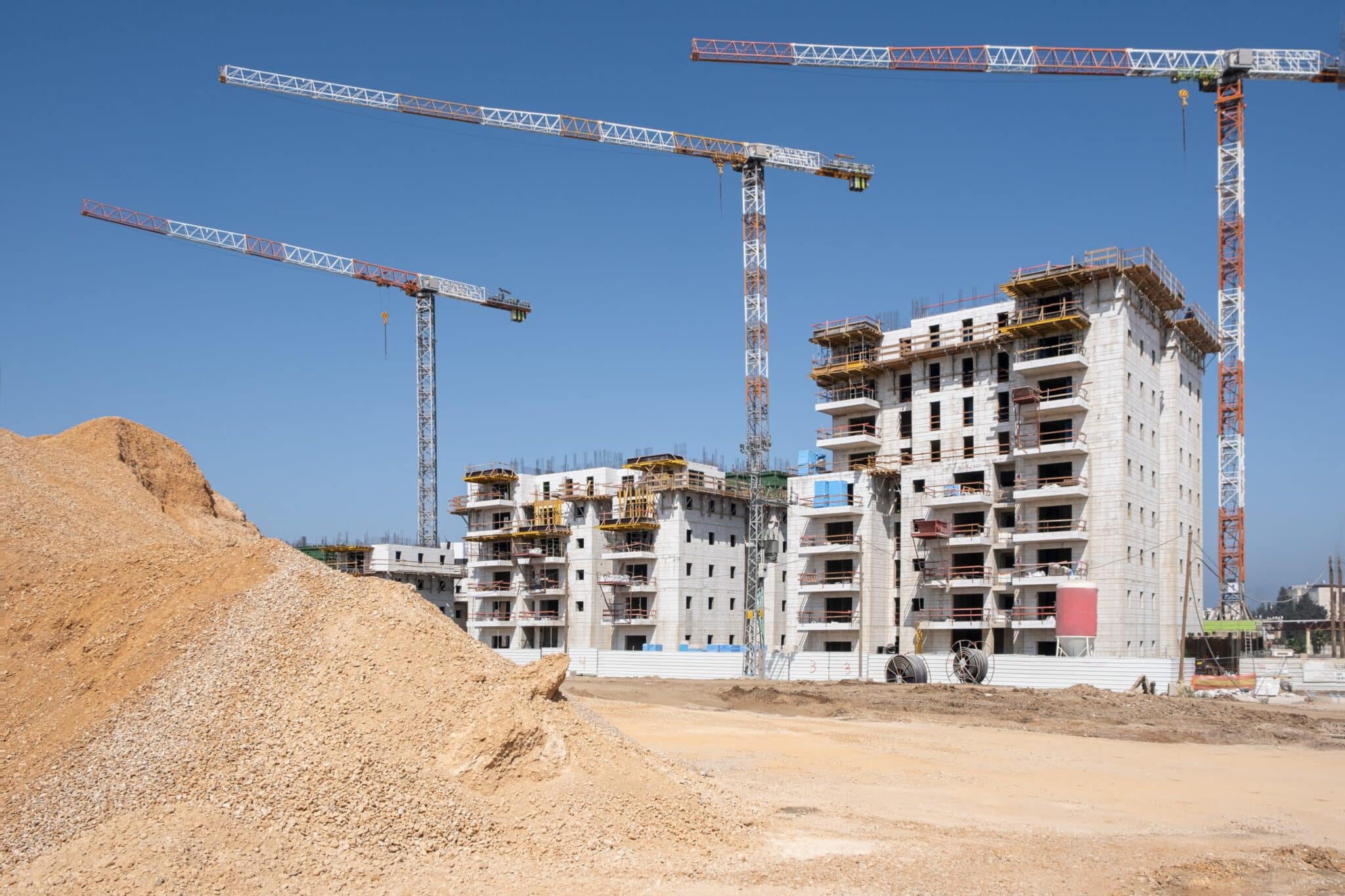
1+At the same time, unsold new-apartment inventory remains high. At the end of July, inventory stood at around 85,000 apartments, representing about 27 months of supply. In other words, at the current sales pace, it would take about 27 months to sell all the apartments remaining in inventory.
Investors continue to reduce their exposure to the market. In July, they purchased 1,146 apartments, down 18% from June and 4% from July last year. Meanwhile, investors sold 1,366 apartments, down 12% from July 2025. As a result, investor-owned inventory shrank by 220 apartments during the month, and by about 8,700 apartments since October 2021.
The South Looks Particularly Grim
One of the starkest examples of market weakness is in Be’er Sheva. From the start of the year through the end of July, only 170 new apartments were sold in the city’s free market, compared to 281 in the same period in 2025 and 666 in 2024. That’s a drop of about 74% in two years. Meanwhile, at the end of June, new apartment inventory in the city stood at around 1,100 units, and at the current sales pace it would take about 38 months to sell the inventory. The ministry also points to Netivot and Ofakim as particularly weak locations.
One of the main tools developers are using to deal with the weakness is financing incentives. In July, 27% of transactions in the free market that were examined included financing incentives, compared to 23% in June. However, this rate is still significantly lower than the level recorded in July last year.
 1+
1+The Broader View Is More Optimistic
That said, examining recent months presents a slightly more positive picture. According to Central Bureau of Statistics data, about 25,000 apartments were sold in the months of May through July, an increase of about 21% compared to the three months preceding them. New apartment sales also saw significant recovery, with an increase of about 30% during this period.
The bottom line: after signs of recovery in May and June, the housing market is showing weakness again in July. The drop in free market transactions, high inventory of new apartments, continued reduction in investor activity, and developers’ need to offer financing incentives all point to the fact that the path to stable recovery in the housing market is still far off.