


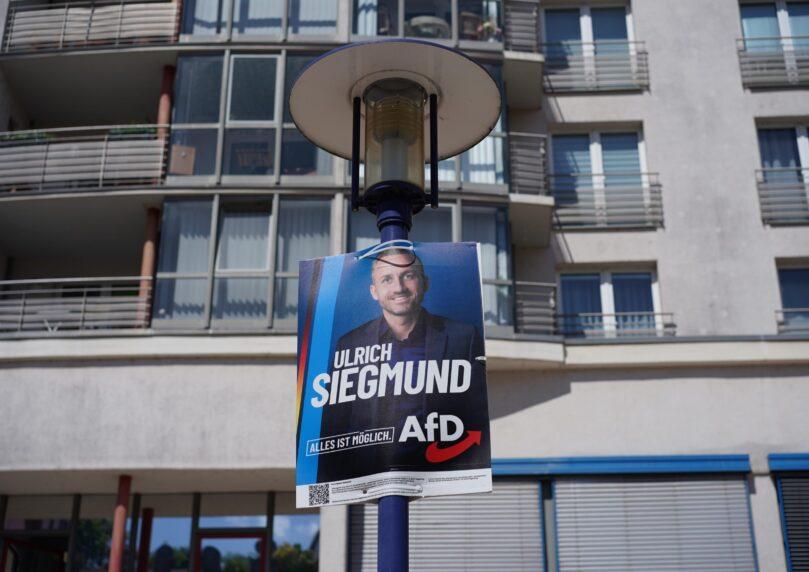

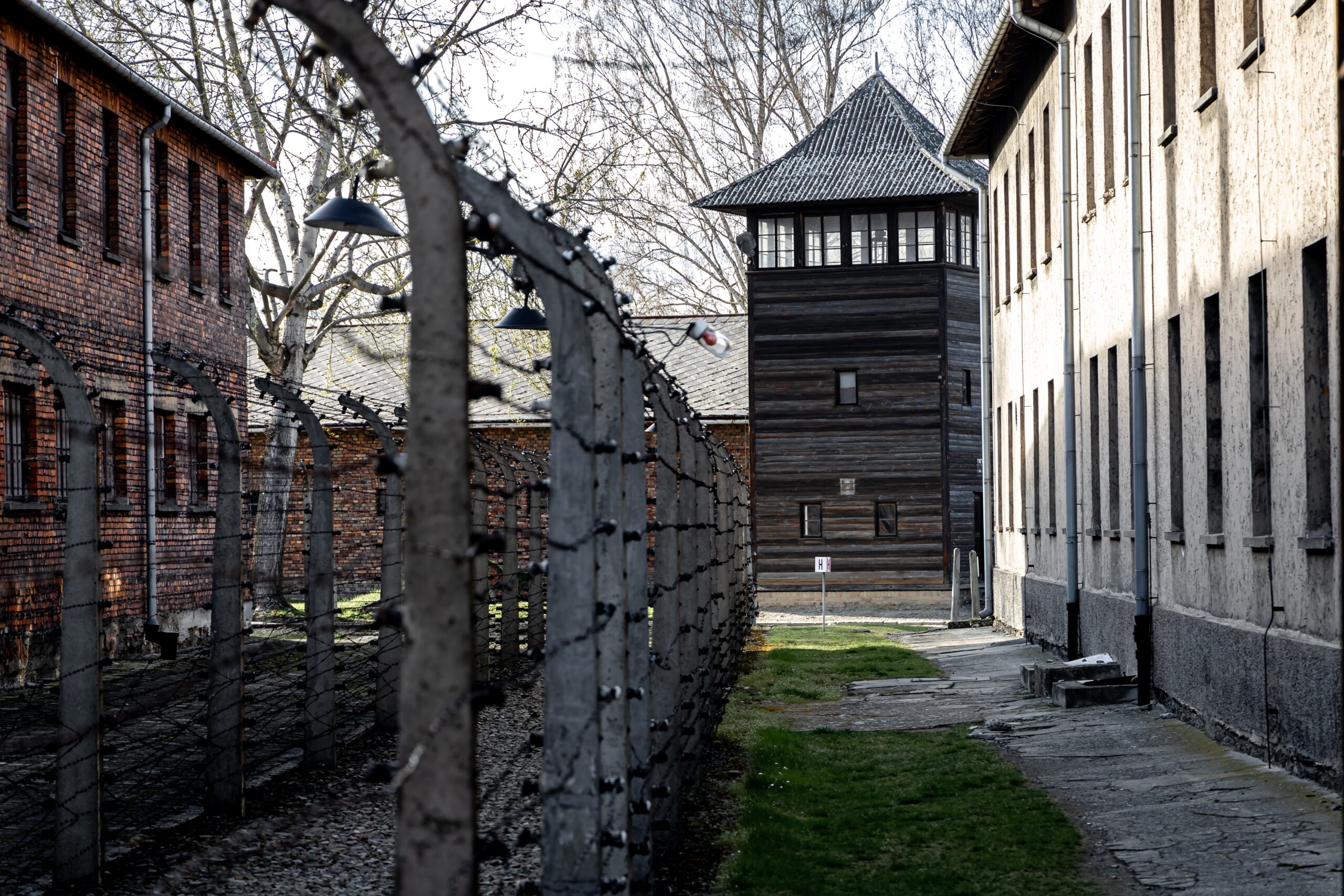
Holocaust survivor Eva Umlauf, who was liberated from the Auschwitz extermination camp when she was just two years old, has expressed profound shock over the electoral rise of the Alternative for Germany (AfD) party and the prospect of a far-right faction attaining governing power in a German state for the first time since World War II.
Speaking in an interview with Reuters following the AfD’s electoral victory in Saxony-Anhalt on Sunday, Umlauf said: “What can I say? I expected it, and yet I am appalled. I am appalled, I am sad, and I do not know what drives people to vote for this party.”


 2+
2+Umlauf, a Slovak-born pediatrician and psychotherapist who resides in Munich, serves as a prominent voice within the International Auschwitz Committee and regularly visits schools to educate students about the Holocaust. According to her, the growing political prominence of the AfD stokes genuine fear among minority communities in Germany and throughout Europe.
 2+
2+“We are afraid. We know what happens—what happens to minorities, what happens to foreigners,” she told Reuters. Her remarks come against the backdrop of sustained momentum for far-right parties ahead of upcoming regional elections in Berlin and the state of Mecklenburg-Western Pomerania, scheduled for September 20. Despite her concern, Umlauf noted that she does not believe these views represent the majority of the German electorate: “If you take Germany as a whole, support for the AfD averages around 30%.” She added: “I believe—and hope—that this will actually mobilize the other 70 percent.”
 2+
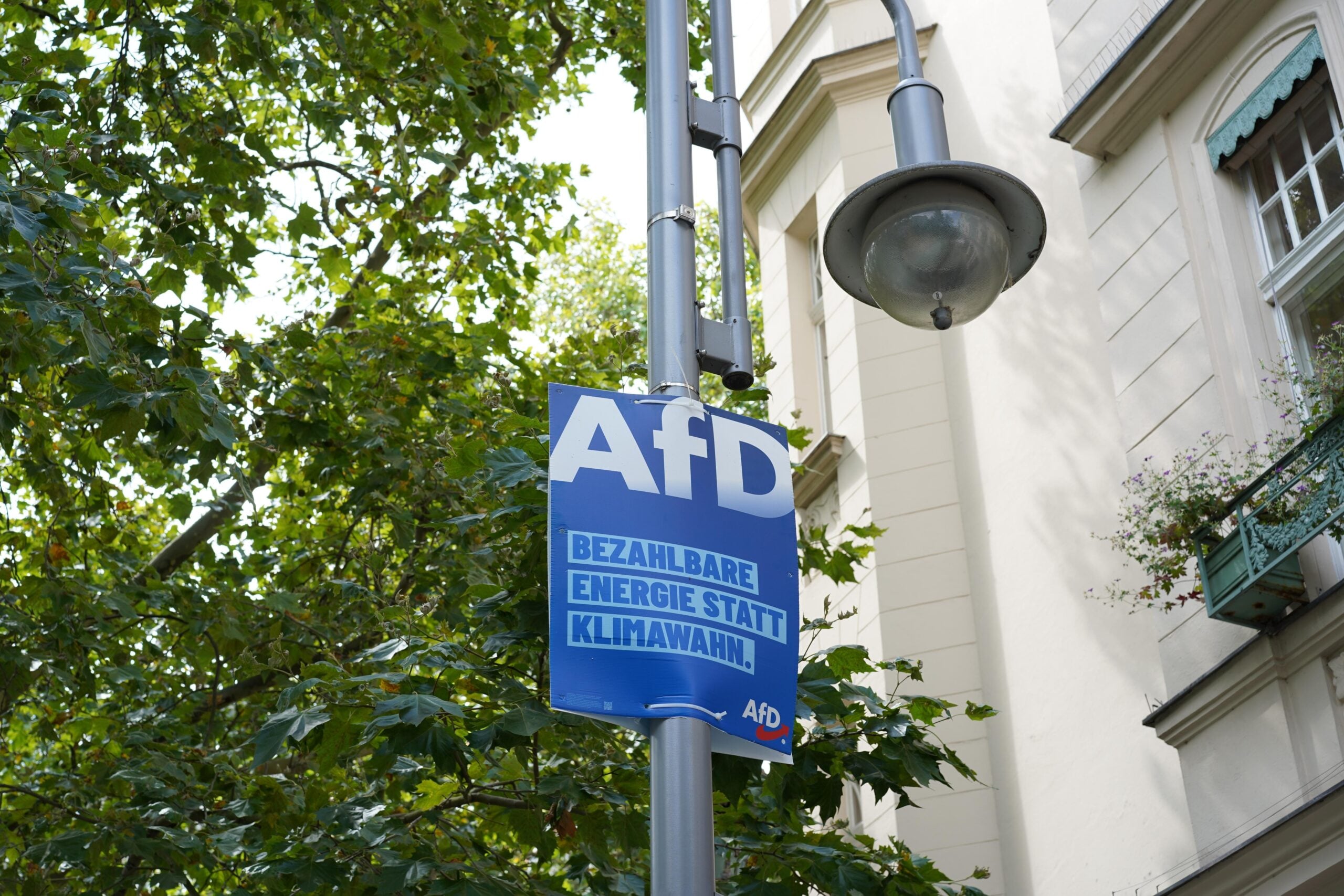
2+According to the report, the AfD rejects allegations of antisemitism, asserting that political rivals weaponize such claims to silence political opposition. Conversely, critics accuse the party of downplaying and whitewashing Germany’s Nazi past. The party’s regional branch in Saxony-Anhalt is officially designated as right-wing extremist by the local domestic intelligence agency—a classification the party insists is politically motivated.