



It has been years since the public witnessed such a transparent PR stunt around a book launch. The sensational scoop published yesterday in Haaretz is rapidly unraveling into a manufactured flop—a promotional billboard for author Shlomi Eldar’s new book and an irresistible feeding frenzy for Israeli broadcast studios salivating at what they hoped would be the definitive scandal to bring down Prime Minister Benjamin Netanyahu.


 3+
3+The orchestrated nature of the book rollout was on full display: the main anchor of Channel 12’s primetime news practically held the book up on air, prompting Eldar to thank him publicly in a tweet.
The underlying mechanics of Eldar’s narrative run as follows: Yahya Sinwar supposedly threatened a regional “earthquake,” Gazan interlocutors relayed the message to the UAE, which allegedly briefed Shin Bet Director Ronen Bar, culminating in a direct call between Abu Dhabi’s ruler Sheik Mohamed bin Zayed and Prime Minister Netanyahu featuring an explicit warning.
 3+
3+The Prime Minister issued a sweeping denial as soon as the article went live. On Wednesday morning, as the story continued to be amplified relentlessly across mainstream studios, Netanyahu issued a second categorical denial alongside a formal legal notice warning of a 2.5 million NIS defamation lawsuit against the authors and Haaretz.
In reality, high-level diplomatic phone calls between foreign heads of state and the Prime Minister of Israel are strictly documented, transcribed, logged, and attended by senior aides and note-takers. The purported conversation cited by Eldar leaves zero footprint in any official Prime Minister’s Office registry or official logs—an administrative fact trivially easy to verify.
 3+
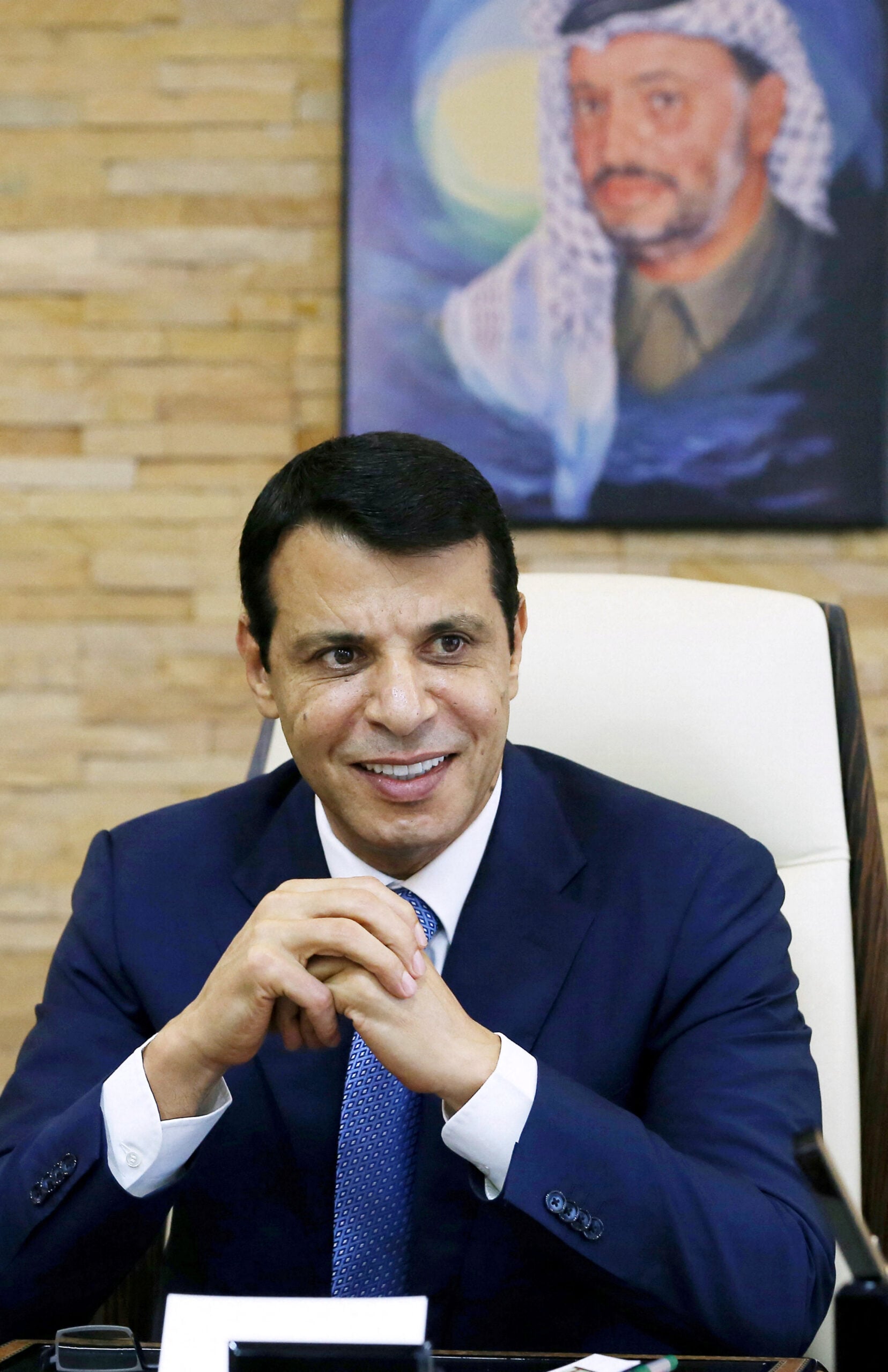
3+Furthermore, the UAE Foreign Ministry stated yesterday that it does not comment on media gossip or press speculation, emphasizing that all substantive security intelligence is handled exclusively via classified, official bilateral channels. The primary architect and catalyst driving this media storm is exiled Fatah powerbroker Mohammad Dahlan. By Tuesday evening, the operational picture became unmistakable: Dahlan and his inner circle were the primary sources feeding the narrative to Shlomi Eldar. Dahlan harbors obvious personal ambitions regarding the “day after” in Gaza, maneuvering aggressively to position himself as the indispensable kingmaker in any future governance arrangement.
In other words, Eldar and mainstream Israeli journalists chose to uncritically trust a Fatah political operative angling for power in Gaza over the Prime Minister of Israel. This follows a well-worn pattern across legacy media: the moment a narrative damages Netanyahu, basic journalistic vetting evaporates. Factual accuracy, documented records, or glaring narrative holes no longer matter—the sensational headline and political fallout take precedence.
 3+
3+Dahlan views Netanyahu as the primary obstacle to his regional ambitions, a stance he articulates openly across Arab media, where he routinely accuses the Israeli government of harboring a “criminal mindset” regarding Gaza. His overarching objective is to remove this government and displace Netanyahu.
Connecting the dots reveals the political timeline: Eldar reportedly held this material for over a year, yet chose to orchestrate its release precisely one month before Israeli elections. The result is a manufactured political hit job eagerly amplified by legacy studios. Fatah’s Dahlan leveraged the Israeli press corps, which willingly surrendered its scrutiny for a shared partisan interest: targeting Netanyahu and attempting to bring down the right-wing government.