


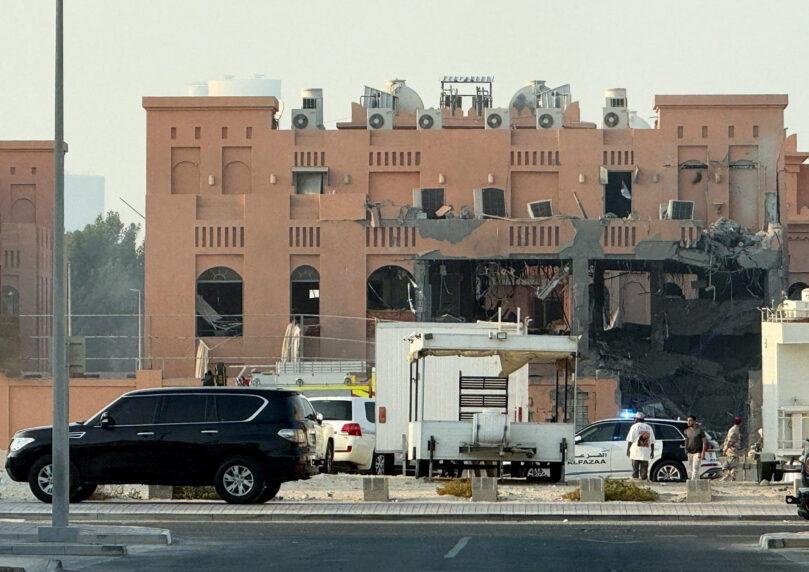

Exactly one year ago on Wednesday, Israel carried out an unprecedented strike in the heart of Doha, the capital of Qatar. The designated target was the operational headquarters of senior Hamas leadership in the city, centered on senior terrorist official Khalil al-Hayya. Although the targeted assassination did not succeed, a profound, telling divergence emerges when comparing Qatar’s diplomatic fury toward the Israeli action with its muted reaction after Iran struck Qatari soil for the first time during Operation “Lion’s Roar.”

 1+
1+One year ago, in September 2025, officials in Doha responded with vitriolic condemnations. The Qatari Ministry of Foreign Affairs denounced the targeted strike as a “cowardly terrorist attack.”
“The State of Qatar strongly condemns the cowardly Israeli terrorist attack that targeted the residential headquarters of several members of the Hamas political bureau in Doha, the capital of Qatar,” the ministry declared at the time.
The Qatari statement went further: “This criminal assault constitutes a blatant violation of all international laws and norms and poses a grave threat to the security and safety of Qataris and residents of Qatar.” State authorities subsequently announced that domestic security agencies, civil defense teams, and relevant ministries mobilized immediately to mitigate the fallout and guarantee the safety of surrounding civilian areas.
 1+
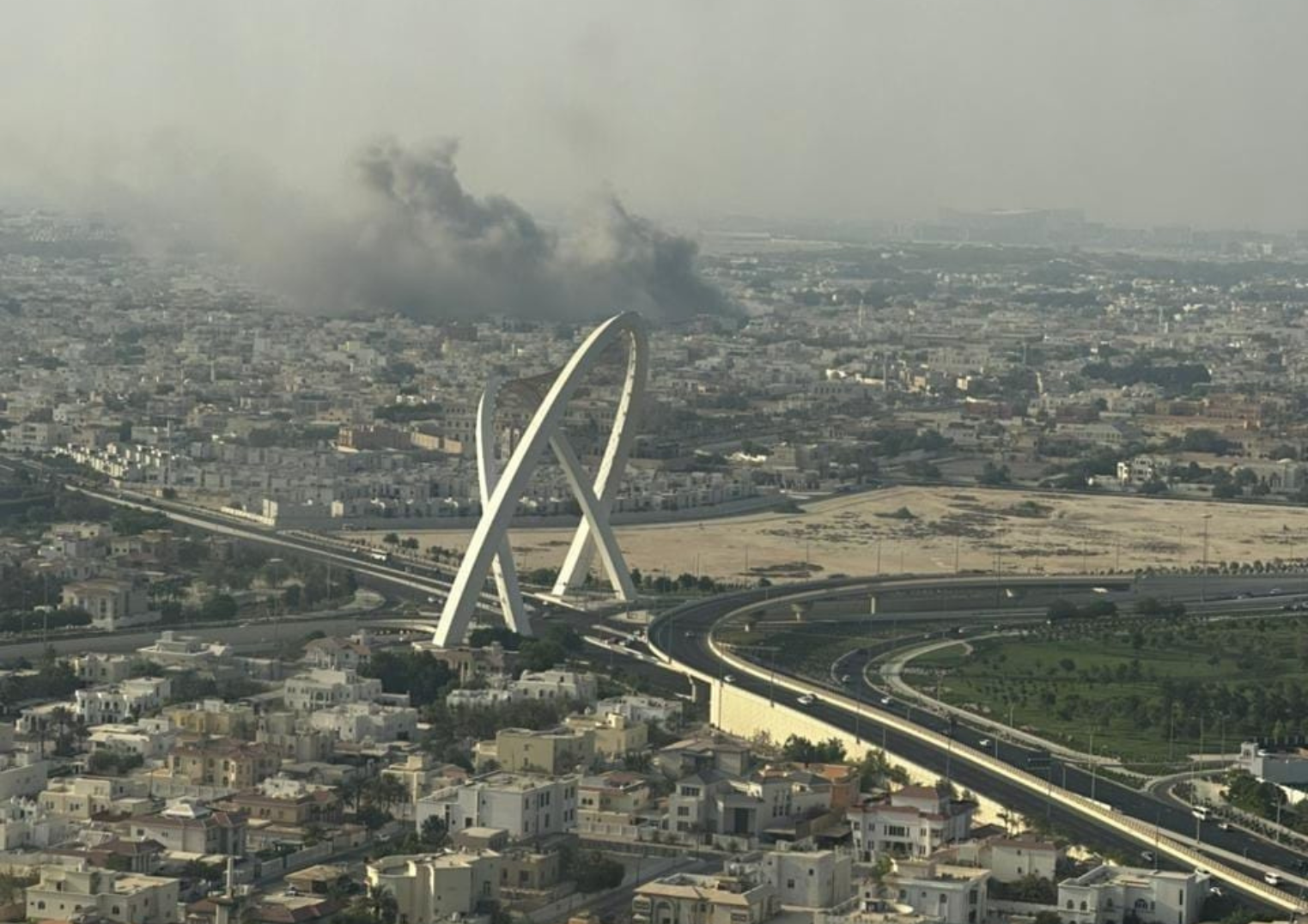
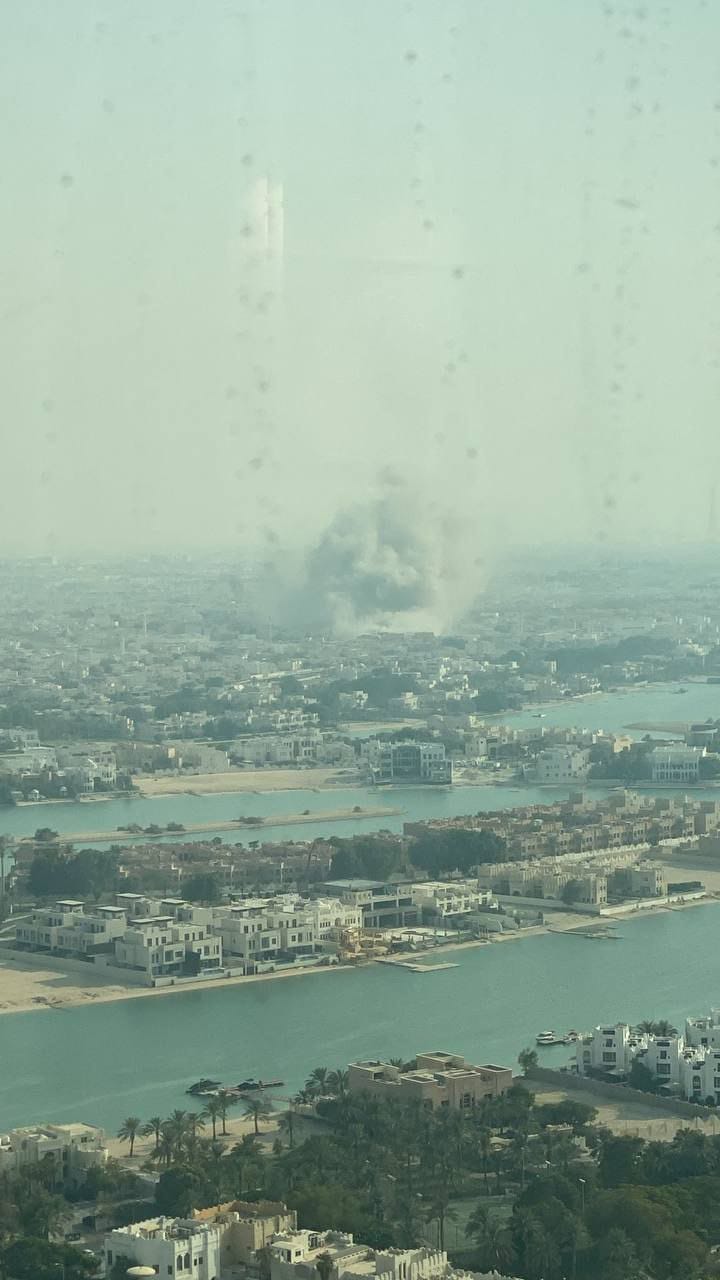
1+Fast forward five months to February 28, 2026—the outbreak of Operation “Lion’s Roar,” in which Iran carried out direct strikes into Qatari territory—and Doha’s rhetoric took on a completely different tone. “The Ministry of Interior announces that thanks to the successful interception of the attacks directed toward the country’s territory, the attack caused no damage whatsoever,” the Qatari Interior Ministry statement read.
The statement continued: “According to initial field assessments, no casualties or material damage were recorded in residential zones. Competent authorities emphasize that the safety of citizens, residents, and visitors remains the top priority, and emergency response teams are operating around the clock to monitor developments.”

Notably absent from the Qatari response was any condemnation, any charge of a “blatant violation of sovereignty,” or any mention of “terrorism.” Crucially, Qatar completely avoided naming Iran as the perpetrator—framing the incoming strikes merely as anonymous “attacks directed toward the country’s territory.”
The policy divergence extends well beyond rhetoric. In September of last year, following the Israeli operation against Hamas chiefs, Qatar retaliated diplomatically by suspending its hostage-and-ceasefire mediation track between Israel and Hamas, which was at peak momentum. Yet following direct Iranian missile aggression in late February, Doha did not retaliate or suspend ties; instead, it called for redoubling diplomatic mediation between Washington and Tehran to de-escalate tensions.