


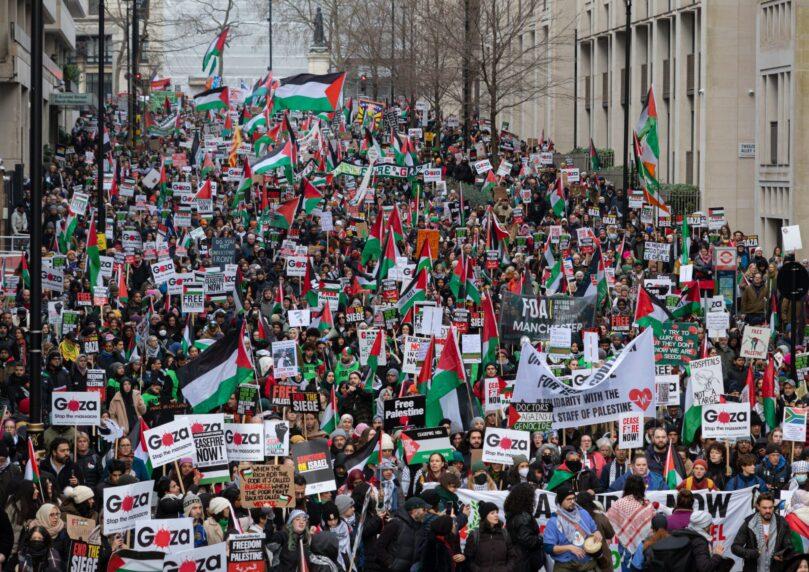
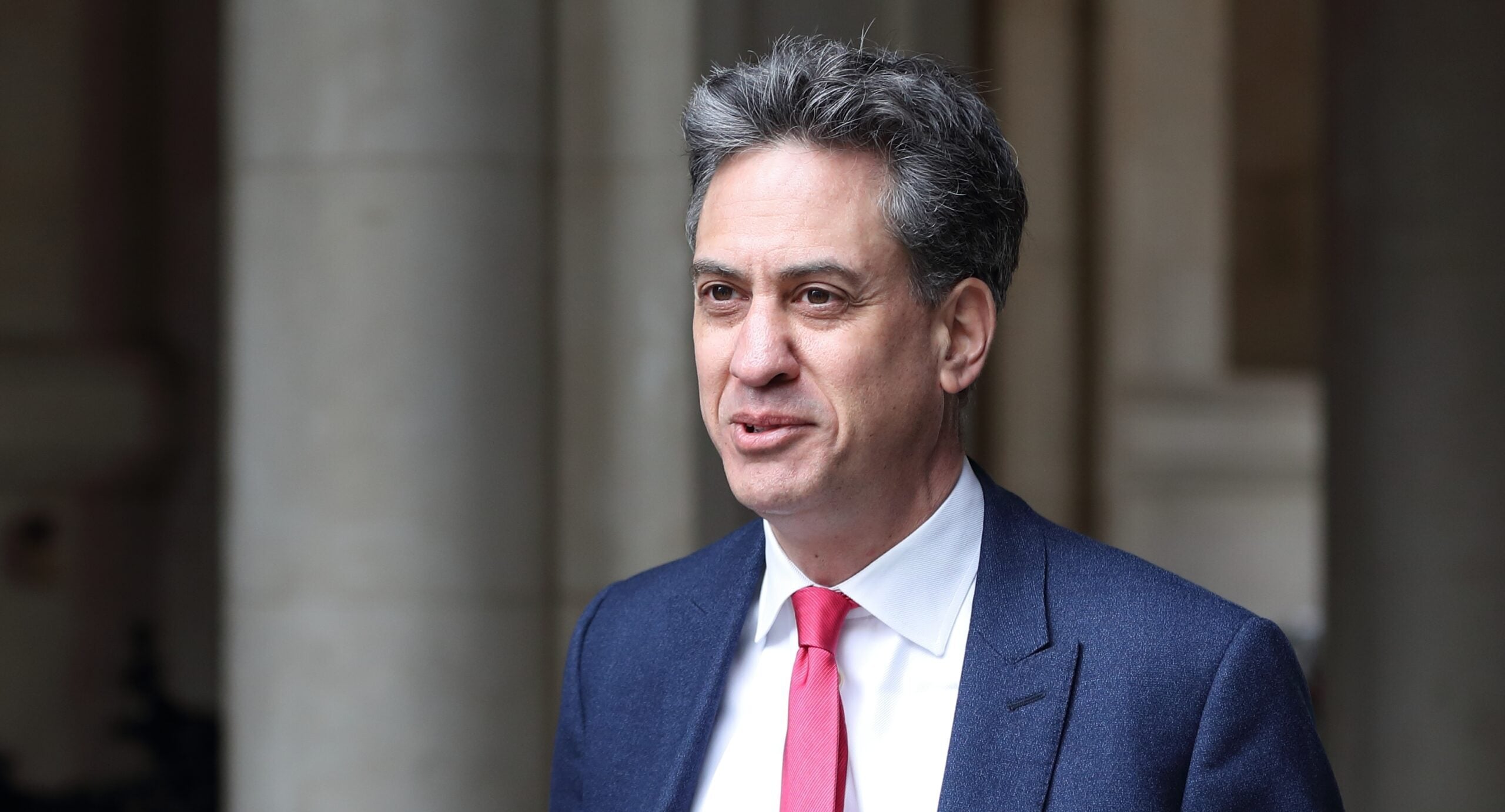
British Foreign Secretary Ed Miliband has dismissed warnings from UK Chief Rabbi Sir Ephraim Mirvis that British Jews will be placed at heightened risk following the United Kingdom’s announcement of commercial trade sanctions targeting Jewish communities in Judea and Samaria. Miliband, identifying himself as a “proud British Jew,” stated he disagreed with Rabbi Mirvis, who characterized the decision as a “truly dark day” that would embolden extremist violence.

 3+
3+Rabbi Mirvis argued: “Gesture politics of this kind fuels an increasingly hostile discourse toward Israel, and the cumulative impact of such punitive policies is to further empower those, at home and abroad, who weaponize hatred against Jews.” In response, Miliband claimed: “We all need to do more to fight antisemitism, but I believe we can do so while standing up for British values.”
The embargo on commercial trade with Jewish communities in Judea and Samaria comes amid an alarming escalation of antisemitic incidents across the United Kingdom. The Community Security Trust (CST), which coordinates security protection for the UK Jewish community, recorded 1,926 anti-Jewish hate incidents during the first half of 2026—a 21% surge compared to the corresponding timeframe in 2025.
 3+
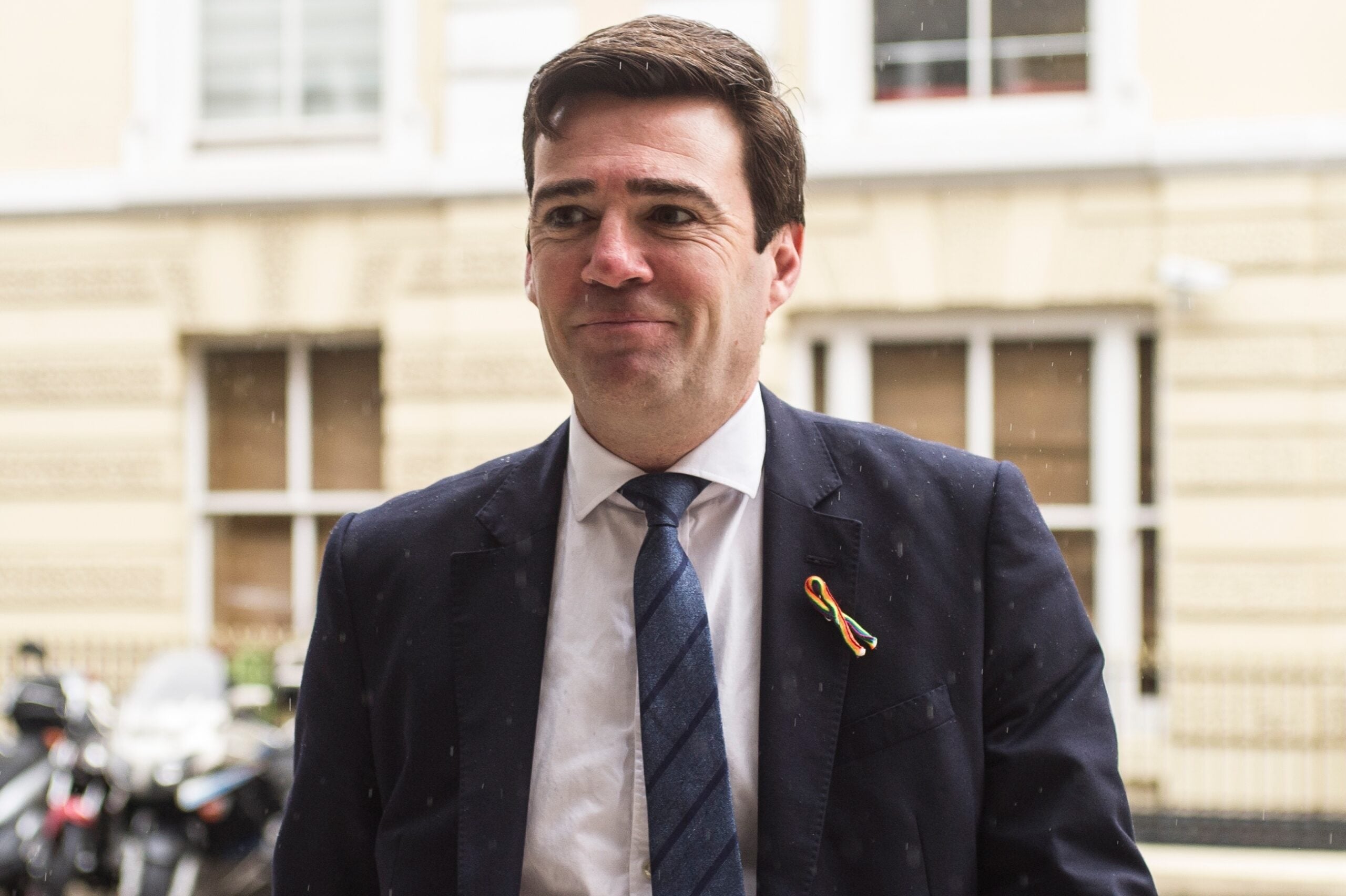
3+British Prime Minister Andy Burnham defended his cabinet’s directive, telling lawmakers: “Britain needs to stand up for decency against injustice. Where people are driven from their homes… we will always stand with the vulnerable.” The “Palestinian” Authority openly celebrated London’s decision, branding it “an important step toward confronting Israel’s colonial system and its violations against the Palestinian people.”
The decision sparked deep apprehension and fractured reactions within the Anglo-Jewish leadership. Alongside the Chief Rabbi’s stark warning, the Jewish Leadership Council (JLC) cautioned that the punitive mechanism “risks becoming a de facto boycott of Israel,” accusing Miliband of “capitulating to pressure from the most extreme factions in British society.” The Board of Deputies of British Jews likewise raised immediate alarms regarding communal security.
 3+
3+Conversely, the fringe group Na’amod, which describes itself as a movement of British Jews campaigning against the “Israeli occupation,” welcomed the measures: “There is no single Jewish stance on Israel. We reject the claim that the British government’s actions will fuel antisemitism.” Similarly, the Movement for Reform Judaism commented that while “the vulnerability of British Jews must not be ignored,” measures targeting Jewish communities in Judea and Samaria “are not equivalent to an assault on Jews.”
The sanctions ignited an immediate diplomatic showdown with Jerusalem. In response, Israel shuttered the British Consulate in eastern Jerusalem and barred entry to 11 British MPs and one activist. Diaspora Affairs Minister Amichai Chikli further recommended that the Population and Immigration Authority ban entry to a roster of British-linked organizations and figures, including Oxfam, Save the Children, and Islamic Relief Worldwide.
 3+
3+Addressing Parliament, Miliband argued that a “new approach” was precipitated by Israel’s advancement of the E1 master plan—a development project he alleged would divide Judea and Samaria and sever it from eastern Jerusalem. Miliband further alleged that the UK recognizes “ethnic cleansing” in parts of Judea and Samaria, accusing “settler terrorists” of displacing “Palestinians” from land while charging that “far too often, the Israeli government has turned a blind eye.”
The sanctions will penalize corporations and individuals providing construction and financing services to Jewish communities in Judea and Samaria. Additionally, the UK will ban promotional advertising for “illegal” communities. Miliband stated that full administrative rollout could take up to nine months. Canada and France have instituted corresponding bans on goods originating from Jewish communities in the area as part of coordinated maneuvers with allies.