




The European Union is seeking to forge closer defense and technological partnerships with Jerusalem as part of an expansive initiative to overhaul its air and space defense infrastructure. As part of these efforts, Israel Space Agency head Shimrit Maman met in Brussels this week with the EU Commissioner for Innovation to discuss joint initiatives in artificial intelligence and advanced robotics.


 1+
1+The tightening diplomatic contacts follow a period of cooler relations stemming from political friction surrounding the war in Gaza. A 2024 European initiative to establish a unified air defense network stalled over reluctance to rely heavily on Israeli technology. Still, mounting strategic competition from Washington, Moscow, and Beijing has tipped the scales. Europe’s urgent requirement for advanced industrial and defense capabilities is now overriding political hesitations, catalyzing a fresh wave of high-value defense procurements and strategic alliances.
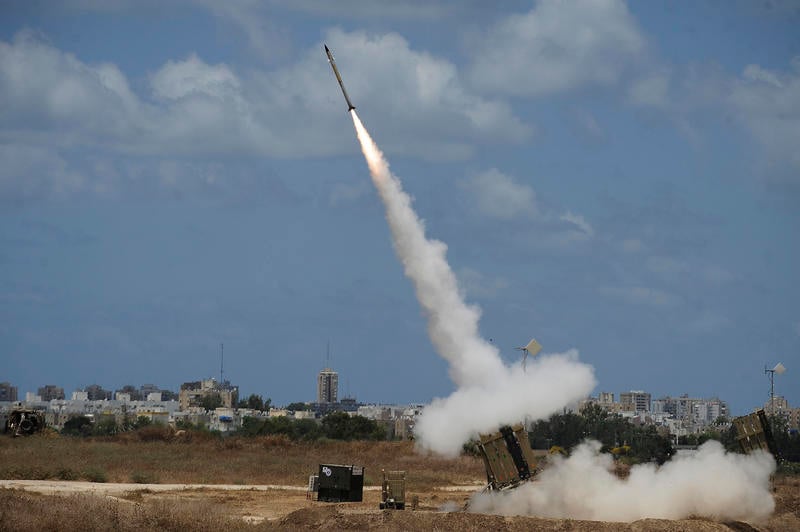
A primary catalyst behind the collaboration is Israel’s battle-tested operational record in early-warning systems and multi-layered missile interception. As Maman explained, Israel’s proven capability to warn civilian populations in real time and mitigate casualties—demonstrated vividly during direct combat engagements against Iranian missile barrages—has generated intense interest among Western allies. European officials are showing strong demand for “dual-use” technologies that use satellite networks and AI systems to counter both military threats and civil emergencies, including wildfires, severe flooding, and protracted droughts.
 1+
1+The strategic shift is already tangible on the ground through a series of major defense agreements concluded across the continent. Israeli defense giant Rafael confirmed plans to establish a manufacturing plant in Germany to produce Iron Dome components at a former Volkswagen facility. Meanwhile, the Greek government signed a landmark €3 billion defense agreement with the Israeli Ministry of Defense to build a bespoke multi-tiered air defense network designed to counter drones, cruise missiles, rockets, and hostile aircraft.
These developments underscore that escalating global threats increasingly prevent nations from operating in isolation. Integrating Israel’s operational experience and technological edge with the European Union’s resources and strategic requirements marks a new chapter in bilateral security relations—one in which Israel’s multi-layered defense doctrine and rapid innovation are becoming foundational pillars of Europe’s security architecture.