


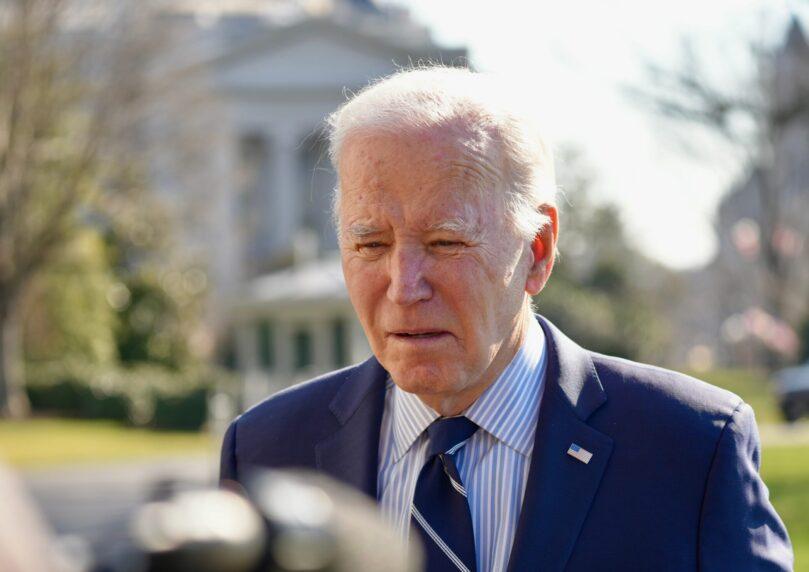

Former U.S. President Joe Biden shared a candid, deeply personal update regarding his medical condition on Tuesday to mark Prostate Cancer Awareness Month, detailing that the illness diagnosed in spring 2025 had already metastasized to his bones by the time it was discovered. The initial diagnosis was first announced in May 2025, revealing an aggressive form of prostate cancer with bone metastases.
In a post published on X, Biden wrote:

“Every September we mark Prostate Cancer Awareness Month. This year it’s more personal for me. More than 330,000 American men this year will hear the words we did last spring when I was diagnosed with prostate cancer. By the time we found it, it had already spread to my bones…”


 1+
1+Biden underscored the vital importance of early detection, noting that “when prostate cancer is caught early, the five-year survival rate is close to 100%.” He urged men never to delay having that conversation with their healthcare providers, particularly those in elevated risk tiers.
The former president called on men at average risk to begin discussing screening with their doctors around age 50, while recommending that Black men initiate consultations at age 45 or earlier, citing their significantly higher statistical risk of developing and dying from the disease. He added that individuals whose father or brother had prostate cancer should likewise begin screening by 45—or even earlier if multiple first-degree relatives have been affected.
 1+
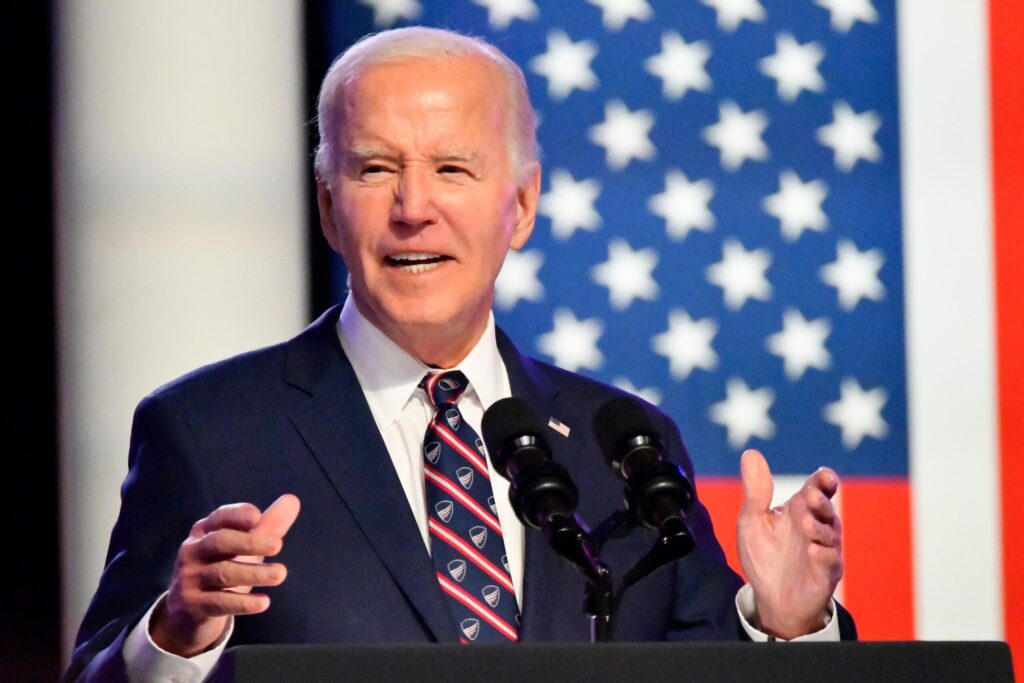
1+Reflecting on his medical care, Biden expressed deep gratitude to the physicians, nurses, and broader medical teams who have overseen his treatment, noting that the radiation therapy he completed last autumn “worked as intended.” In October 2025, reports confirmed that Biden had undergone targeted radiation and hormone therapies as part of his clinical regimen.
Biden said he continues to devote his energy to personal priorities, including completing his forthcoming memoir. Concluding his message, he thanked well-wishers who have prayed for him and his family, expressing hope that going public with his journey will help save lives: “Talk to your doctors. Ask the tough questions. Do it for yourself, and for the people who love you.”