



Against the backdrop of a report in Haaretz alleging that Prime Minister Benjamin Netanyahu received a warning from the President of the United Arab Emirates days before the October 7 massacre, Brig. Gen. (res.) Oren Solomon, who investigated the operational events inside the IDF, launched a fierce counterattack against what he termed an “influence campaign” aimed at deflecting public scrutiny from the responsibility borne by senior military commanders.
 4+
4+The Prime Minister’s Office categorically denied the report, calling it an “absolute falsehood” and emphasizing that Netanyahu did not speak with the UAE president during that period or receive any warning.
“We are witnessing an influence campaign orchestrated by the ‘Blue Team’ [the defense establishment],” Solomon asserted. According to him, rather than scrutinizing the performance of the high command during the onslaught, the public debate is intentionally diverted into whether the prime minister spoke with the Chief of Staff on the morning of the massacre: “This immense catastrophe has a name, an address, a military ID number, commanders, and responsible parties.”
 4+
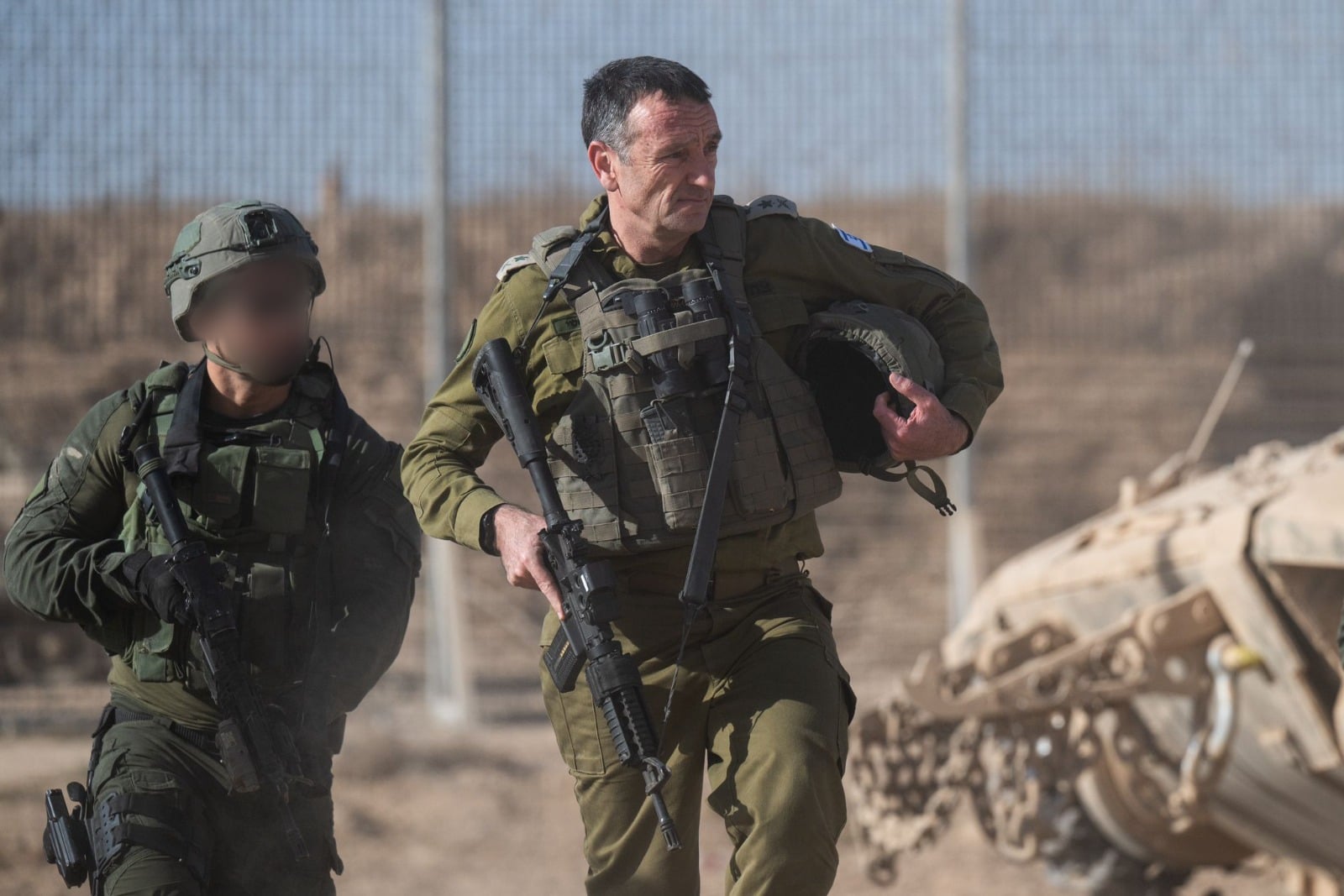
4+Solomon said that during his operational probe, he discovered that then-Chief of Staff Lt. Gen. Herzi Halevi did not phone the commander of the Gaza Division once during all of October 7. “I asked the division commander: ‘Tell me, did the Chief of Staff speak with you throughout that entire day?’ He didn’t pick up the phone to him even once,” Solomon recounted.
According to Solomon, the first conversation between the two occurred only on Saturday night after the Sabbath had ended. Even then, he claimed, Halevi’s opening question ignored the magnitude of the slaughter unfolding across the border communities: “He asked him: ‘What’s happening with Radio Chazak?’—referring to some offensive tunnel. Not a word about the overarching event, not a word about what was happening on the ground.”
“Oded Basyuk Vanished”
Solomon leveled equally severe accusations at the Head of the IDF Operations Directorate during the massacre, Maj. Gen. Oded Basyuk. He noted that although Basyuk served as “the military’s number two in force employment,” his name is virtually absent from public discourse regarding the operational failures.
 4+
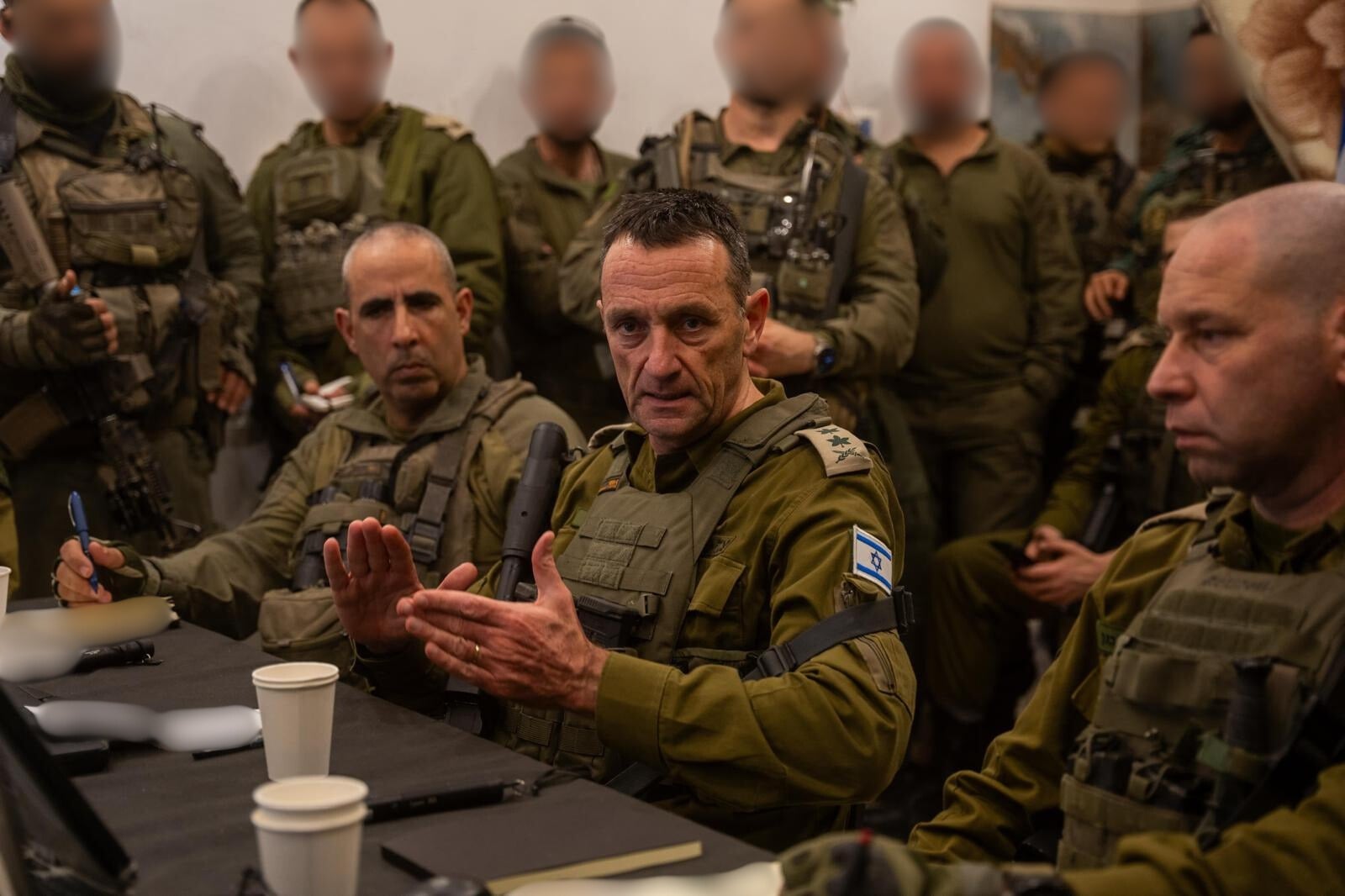
4+“He appears in every General Staff photograph and every cabinet briefing because he is the IDF’s number two in operational planning and force employment—yet he vanished,” Solomon said. According to him, Basyuk likewise failed to communicate with the Gaza Division commander throughout that fateful day.
Solomon argued that the breakdown in command and control was pervasive, claiming the Head of Southern Command and the regional command headquarters also failed to maintain continuous contact with the Gaza Division in the critical hours: “Did Southern Command headquarters speak by phone with the division headquarters until midday? The answer is no.”
“90% of the Situation Picture Was in the Systems—The Chief of Staff Didn’t Open Them”
Solomon recounted that his investigation focused closely on the first six hours of the invasion, starting at 06:29, reviewing operational situational assessments, command decisions, and information flows between headquarters. He described the findings as “not merely shaking—utterly shocking,” illustrating systemic dysfunction across the General Staff, the Operations Directorate, and Southern Command.
 4+
4+He stated that roughly 90% of the operational picture during the first four hours was transmitted in real time across the IDF’s “Massuah” digital command-and-control network. Despite this, he claimed the Chief of Staff never consulted it: “To this day, I have the system screen captures. All you had to do was open them. And what became clear? The Chief of Staff never opened them.”
Solomon summed up the conduct in scathing terms: “Unprofessionalism, total dysfunction. There are things here that border on criminal negligence.”
“They Tried to Claim the Division Didn’t Explain—The Investigation Bursts the Bubble”
Following the massacre, Solomon alleged, figures within the IDF high command sought to manufacture a self-serving narrative suggesting that while the General Staff functioned properly, field echelons failed to communicate the situational picture and repel the terrorists.
 4+
4+“That is precisely what they attempted to lead all along: ‘We operated well; the division didn’t explain the situation to you, ‘ ” he stated. Solomon maintained that the operational data he compiled flatly refutes that claim, proving that a clear situational picture was readily available to the high command—yet went unutilized.
“That is precisely why my investigation unnerves them,” Solomon concluded. “It bursts the great balloon claiming: ‘We in the General Staff performed as required; from the moment the invasion began, we did everything, and those down below simply failed to stop them.'”