


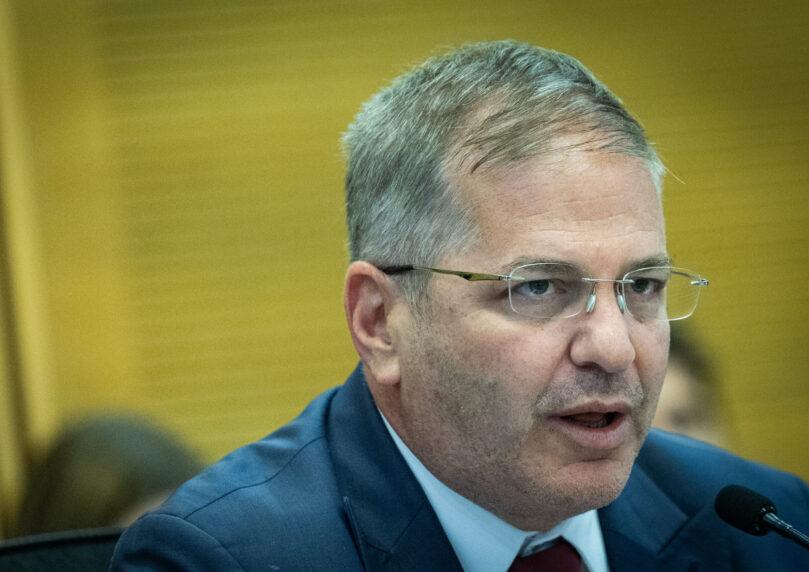
The release of the latest Program for International Student Assessment (PISA) exam results continues to send shockwaves through Israel’s education landscape, revealing a stark disconnect between Education Minister Yoav Kisch—who champions the data as evidence of institutional grit during wartime—and national student and parent representatives, who warn of an escalating emergency requiring structural overhaul.

 5+
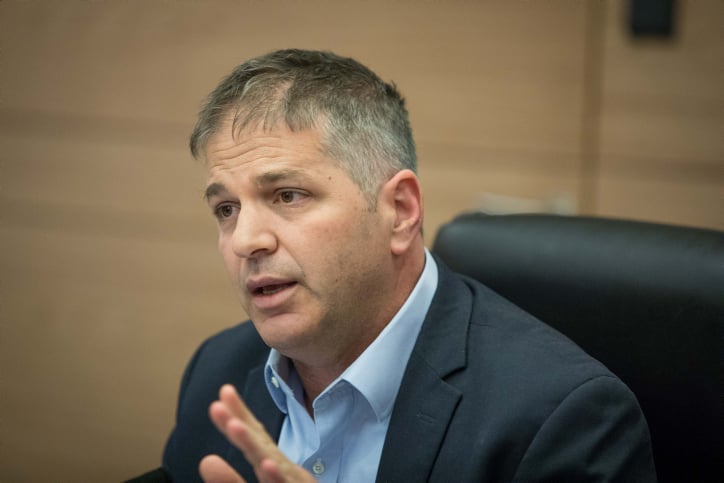
5+Addressing parents and pupils, Education Minister Yoav Kisch maintained that the metrics reflect remarkable endurance under unprecedented national hardship: “These scores teach me one straightforward thing—the Israeli home front and our education system demonstrated extraordinary resilience in a time of war. I am immensely proud of you, our dear students and teaching staff.”
Kisch criticized media framing of the findings, claiming parts of the press were actively politicizing the data: “I know that certain media outlets are attempting to craft an alternate narrative for obvious political motives. But let’s look at the facts.”
 5+
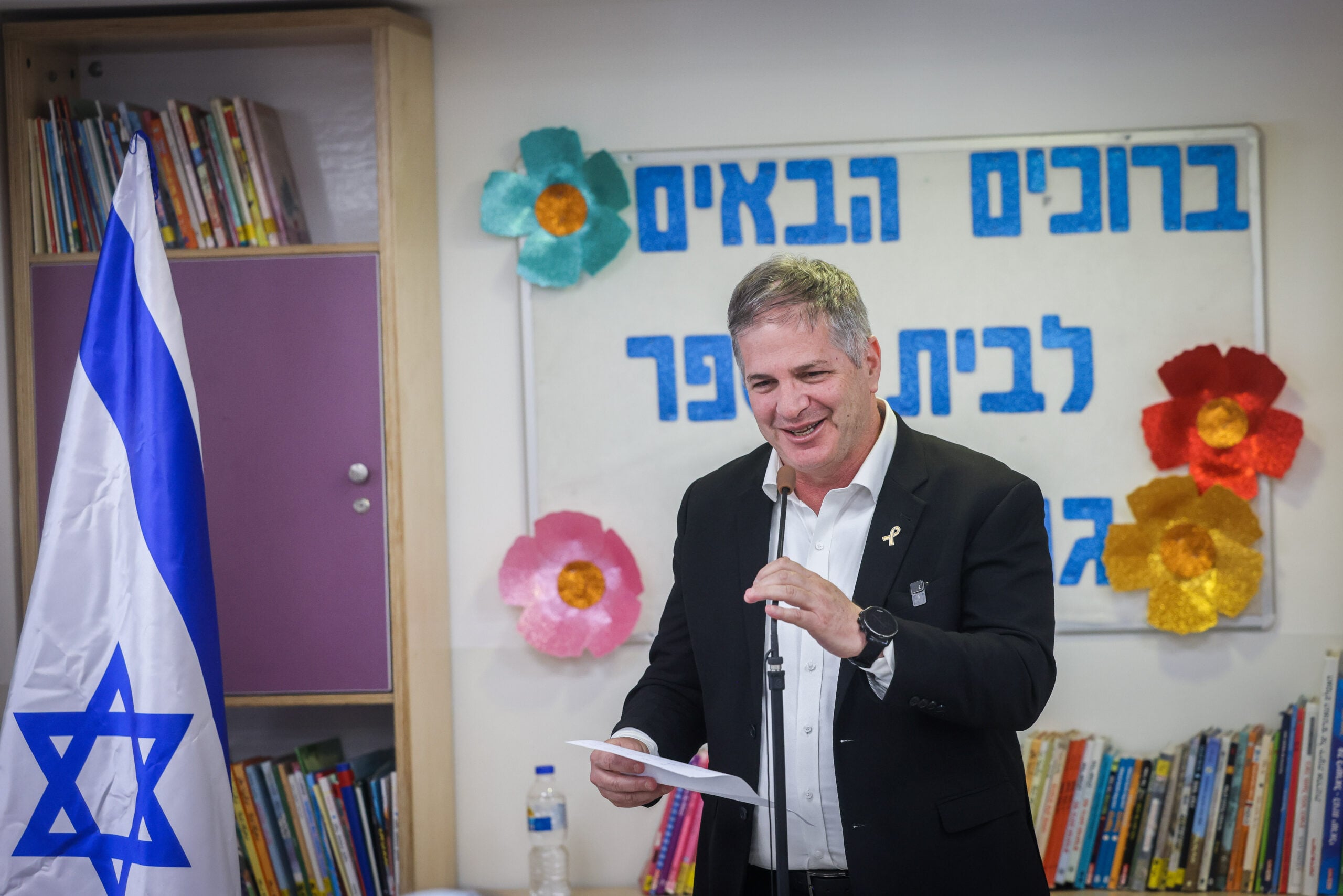
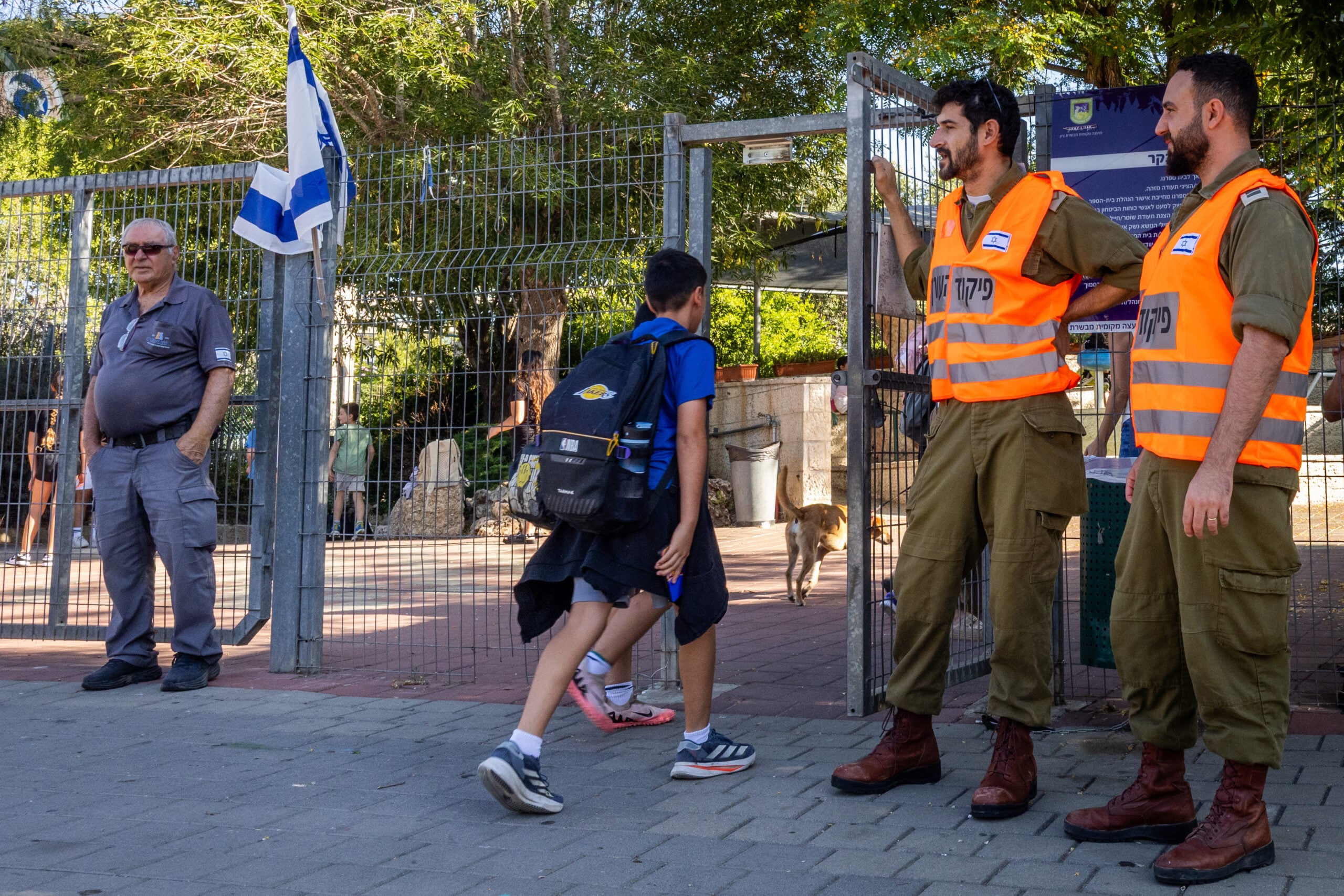
5+According to the minister, the dataset must be evaluated strictly through the operational backdrop in which the testing occurred: “The exams were administered in March 2025, at the height of the war. Northern residents were displaced from their homes, hostages were still held captive in Gaza, countless parents and educators were serving extended reserve duty tours, consecutive nights of rocket sirens rattled the entire country, and we were effectively living under full-scale wartime conditions.”
Kisch underscored that despite the extreme turbulence, Israel broadly preserved its international standing compared to its 2018 performance. He pointed to observations by OECD Director for Education and Skills Andreas Schleicher, who noted that the outcomes correspond directly to the severe disruption Israel’s school system experienced and expressed surprise at how well Israel maintained its global baseline relative to peers.
 5+
5+“It is obvious to me that the war impacted performance; the operational challenges are undeniable,” Kisch added, noting that the ministry has already initiated its “Realistic Israel” reform agenda, with gains projected to register in upcoming testing cycles. “Don’t let anyone distort reality. Every single one of you is a hero who accomplished the unbelievable during an extraordinarily demanding period.”
Conversely, the National Parents Leadership offered a significantly more alarming assessment: “Regrettably, we are not surprised. Over the past six years, Israeli children have endured COVID-19 lockdowns, quarantines, military operations, October 7, and protracted wars—suffering an erosion of academic, social, and emotional continuity that inevitably leaves deep scars.”
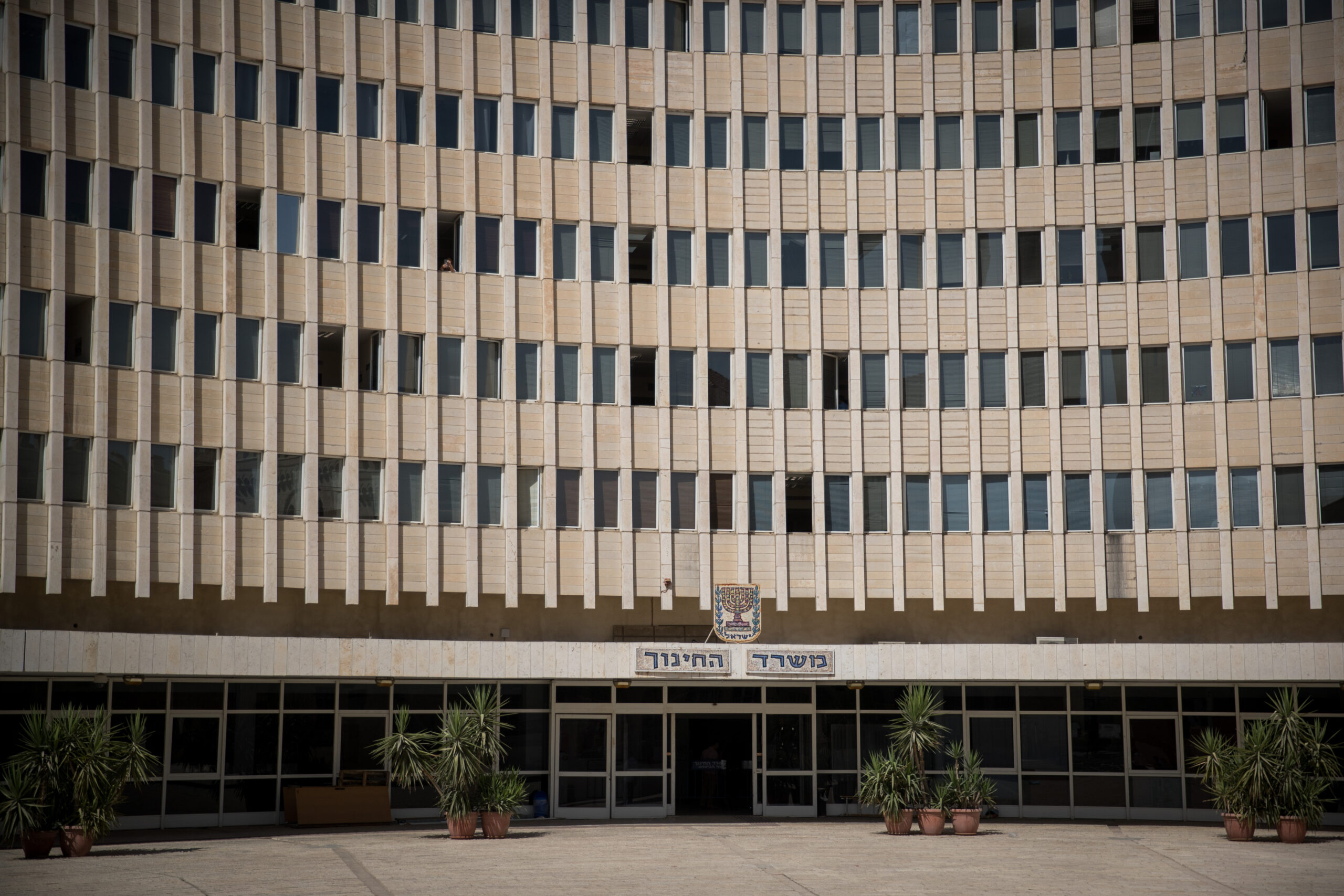
Parent representatives argued that while severe national circumstances contextualize part of the decline, they do not absolve the ministry: “These are not merely disappointing test scores; this is a true siren sounding for the entire education system. The decline in achievement among Israeli students is dramatic, and the reality that nearly one in three students—29%—fails to meet baseline proficiency across reading, mathematics, and science combined should keep every decision-maker awake at night.”
 5+
5+The parents’ group called for an immediate national plan with dedicated milestones, designated budgets, and firm timetables to close academic gaps: “The PISA exams are not the problem; they are the mirror. Rather than arguing with the mirror, it is time to address what is reflected in it.”
 5+
5+The National Student and Youth Council responded with equal urgency, demanding that educational policy become a central issue in the upcoming Knesset elections: “In the upcoming election, we vote education. The PISA results are our national wake-up call.
Youth leadership emphasized that the systemic breakdown transcends raw test metrics, citing survey findings that 37% of Israeli students feel school is a waste of time, while only 60% feel their teachers demonstrate active interest in their individual learning: “It is abundantly clear that this crisis extends far beyond subject matter knowledge; it touches our fundamental connection to schooling and learning. The takeaway cannot simply be more material, more tests, and a frantic race after grades.”
 5+
5+Looking ahead to the national vote, student representatives urged political candidates to present practical policy roadmaps rather than campaign slogans: “The challenge confronting the education system is not merely getting us to know more, but inspiring us to want to succeed and stay engaged within the system.”