


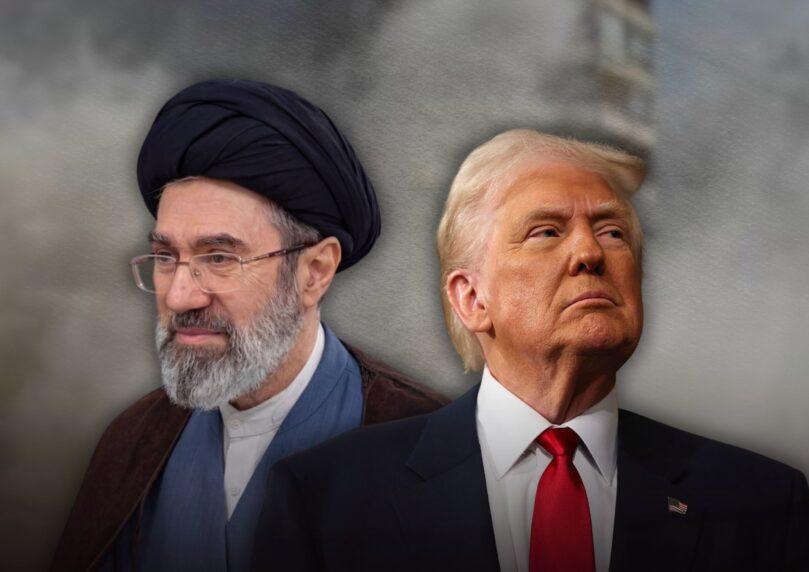

The United States alongside its three primary European allies—Britain, France, and Germany (the E3)—intensified diplomatic pressure on Tehran on Tuesday, moving to advance a resolution at the International Atomic Energy Agency (IAEA) Board of Governors that would refer Iran’s nuclear file back to the United Nations Security Council.
The diplomatic initiative follows an extraordinary official disclosure by the UN nuclear watchdog confirming that Tehran refuses to transmit any data on the status of its declared nuclear materials and facilities while blocking UN inspectors from conducting on-site verifications.In response, Tehran rejected the allegations and warned that passing the resolution will trigger swift countermeasures.

 7+
7+According to the joint draft resolution authored by the four powers, Iran is demanded to “urgently rectify its non-compliance” with international safeguards obligations and grant immediate access for verifications to ensure nuclear materials are not diverted toward military purposes.
The proposal has been submitted for a decision during the IAEA Board of Governors session convening in Vienna.
Despite the heightened rhetoric and mounting diplomatic pressure, the draft text explicitly maintains a diplomatic off-ramp, underscoring support for a “diplomatic solution” and calling on all stakeholders to engage constructively through political channels.
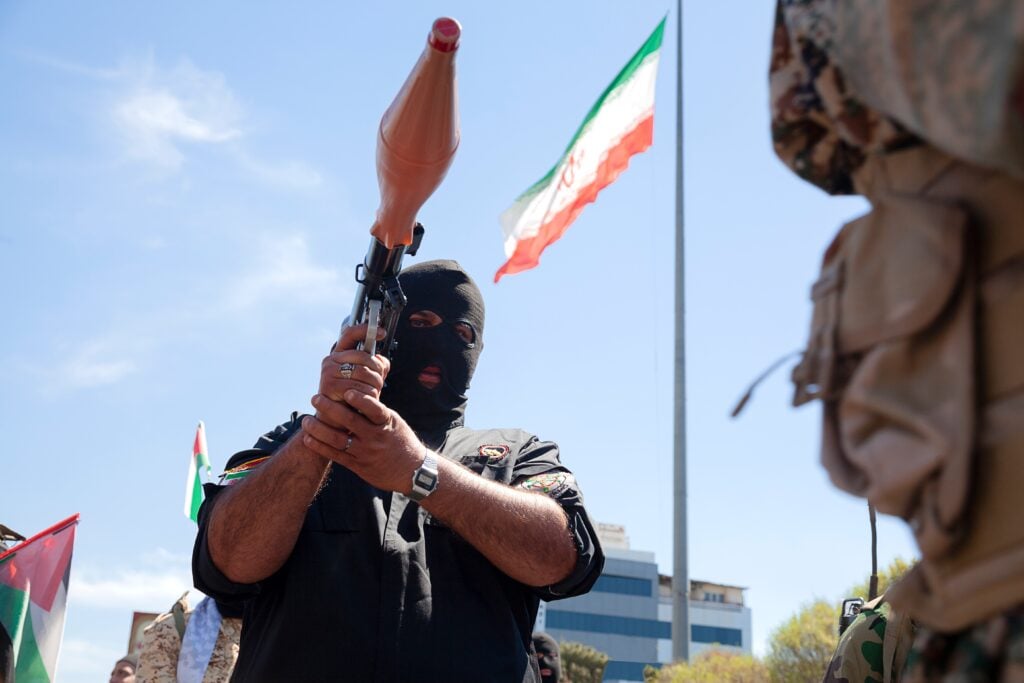
Tehran signaled unequivocally that it will not accept the measure quietly. Iranian Foreign Ministry spokesperson Esmaeil Baghaei warned during his weekly press briefing that if the Board of Governors adopts the measure, Iran will implement “necessary steps” in retaliation. Baghaei mounted a scathing critique of the European powers, arguing the West is once again weaponizing the IAEA as a political bludgeon: “Whenever they exhaust their options, they turn to the Agency and Grossi.” He further maintained that demands for access to facilities struck during hostilities are illogical, stating that operational restrictions on inspectors are a direct consequence of American and Israeli strikes on Iranian nuclear installations.
 7+
7+At the core of the standoff lies a profound intelligence and technical blackout confronting the international community: the IAEA is currently incapable of determining with certainty the status of key pillars of Iran’s nuclear apparatus. IAEA Director General Rafael Grossi told the Board of Governors that, during the latest reporting window, Iran withheld all verification metrics on declared stockpiles and sites, physically denying inspectors access to conduct checks.
Grossi warned that the agency has lost continuity of knowledge of Iran’s known uranium inventories, most critically material enriched to the sensitive threshold of up to 60% purity.
This informational vacuum, Grossi stressed, poses a severe proliferation risk that demands urgent rectification. 7+
7+Baseline figures before the cutoff illustrate the gravity of the dilemma: Iran had accumulated an estimated 440.9 kilograms of uranium enriched to 60%—a technical stone’s throw from weapons-grade 90% purity.
Since physical access was shuttered, the IAEA has lacked any updated, ground-truth visibility into the precise location, containment, or integrity of this stockpile.
The core challenge extends beyond the material’s existence to the loss of ongoing monitoring: under its Comprehensive Safeguards Agreement pursuant to the Nuclear Non-Proliferation Treaty (NPT), Tehran remains legally bound to account for all nuclear inventory and enable inspectors to verify that materials are not diverted toward non-peaceful applications.
 7+
7+The confrontation marks the latest inflection point in a crisis that escalated sharply in June 2025, when the IAEA Board of Governors formally ruled Iran in non-compliance with its non-proliferation safeguards—a historic finding not issued in two decades.
Shortly thereafter, amidst hostilities with Israel and the United States, several Iranian nuclear installations were struck.
Following the strikes, field verifications were halted on safety grounds, prompting the IAEA to withdraw its inspectors from the country by late June 2025. In retaliation, the Iranian parliament enacted legislation in early July 2025 officially suspending cooperation with the international watchdog.
 7+
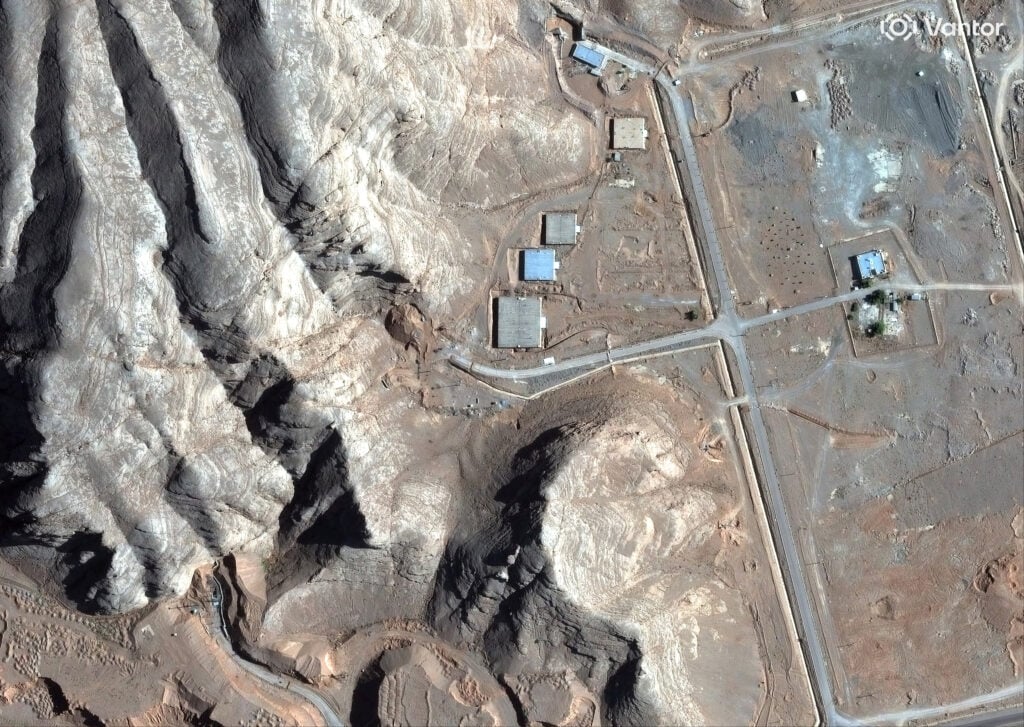
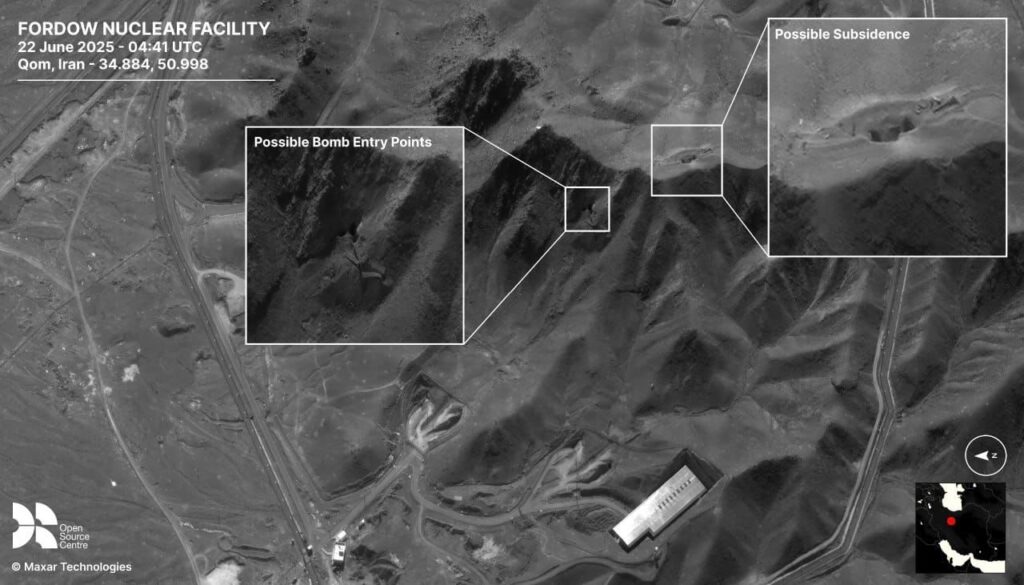
7+Military strikes hit primary enrichment and processing facilities, including Fordow and Natanz. Since those strikes, the agency has been unable to restore the field access required to reconstruct an accurate baseline, barring marginal exceptions. Deprived of boots on the ground and comprehensive self-reporting, UN analysts have been forced to rely on commercial satellite imagery and open-source intelligence to monitor activities from afar.
For months, Western capitals refrained from escalating the file to the UN Security Council, seeking to preserve runway for diplomatic engagements. However, Western officials state that Tehran’s complete refusal to cooperate—coupled with the collapse of operational communication channels—convinced leadership that diplomatic patience has expired and multilateral pressure must be ratcheted up.
 7+
7+Referring the matter to the UN Security Council represents far more than a symbolic censure. While the IAEA Board of Governors functions as a technical-diplomatic body confined to monitoring mandates, the Security Council possesses expansive enforcement mechanisms and binding punitive authorities under international law.
The draft text directs Rafael Grossi to transmit the new resolution, the Board’s prior findings, and his comprehensive report directly to the Security Council and the UN General Assembly.
Through this step, the U.S. and the E3 intend to re-anchor the Iranian nuclear standoff at the pinnacle of the UN’s geopolitical and security agenda.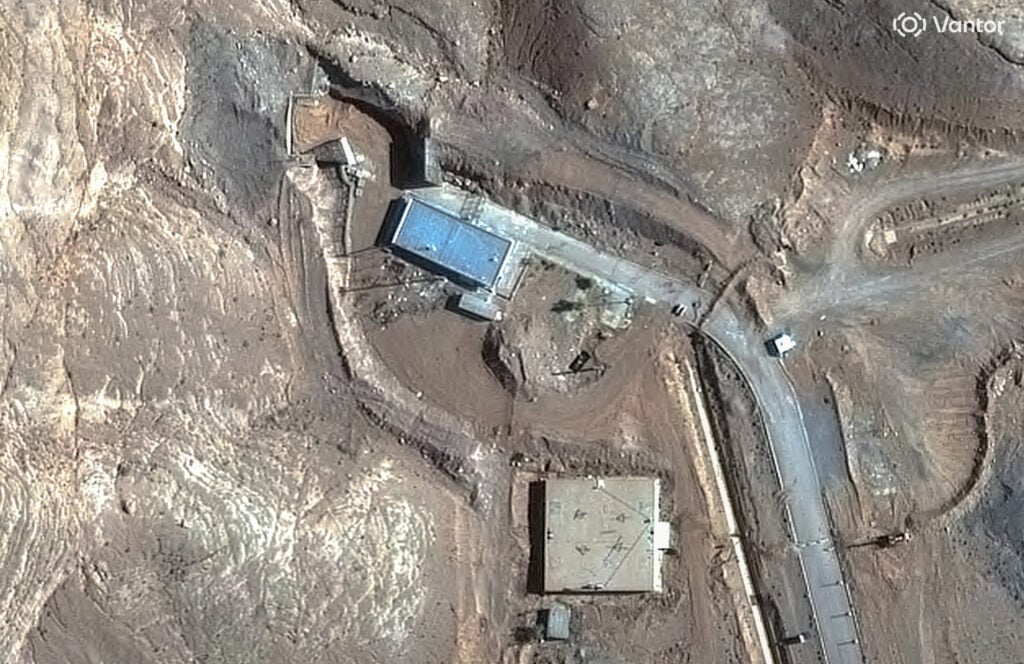 7+
7+Even so, passage in Vienna will not trigger immediate, automatic sanctions: any enforceable punitive measures introduced within the Security Council face an uphill battle against the veto powers wielded by Moscow and Beijing.
The Western approach is structured around a two-track posture: imposing a steep diplomatic penalty on Tehran for obstructing inspectors, while carefully preserving room for talks to revive inspection mechanisms and restore an objective picture of activities inside the facilities. For its part, Tehran maintains that any party demanding the reopening of facilities to inspectors must first demand that the U.S. and Israel cease all strikes and operational threats against monitored sites.
 7+
7+The vote in Vienna marks a decisive crossroads: if approved and transferred to the Security Council, international pressure on Iran will surge to historic heights; if Tehran follows through on threats by accelerating enrichment or cementing the inspection ban, the trust deficit will widen irrevocably.
Looming over the entire confrontation remains the unanswered question confronting world powers: where are Iran’s hundreds of kilograms of highly enriched uranium right now, and what state are they in?