


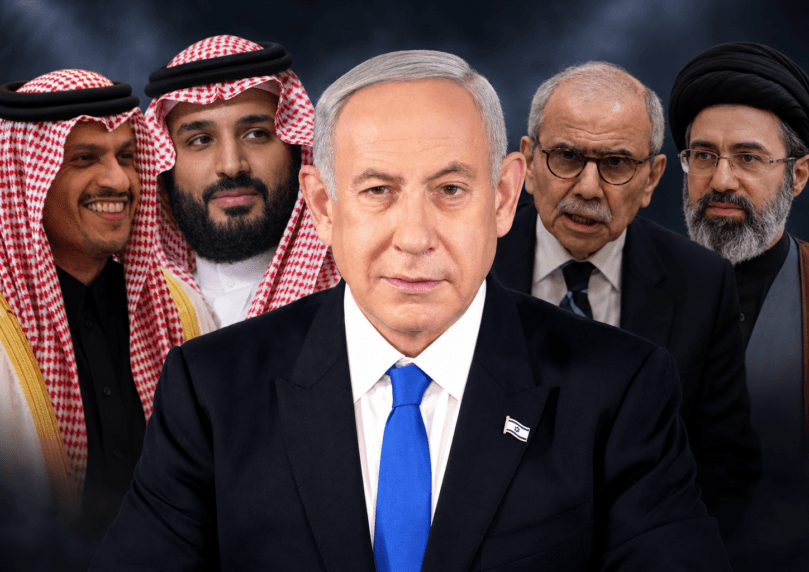

As the October 27 Knesset elections approach, interest across the Arab world in the prospect of Prime Minister Benjamin Netanyahu losing power is steadily intensifying.
A review of commentaries and analytical pieces published across Arab media outlets in recent days highlights a clear narrative: Netanyahu is consistently portrayed as fighting an uphill battle for his political survival, while several prominent articles meet the possibility of his replacement with unconcealed optimism.

 3+
3+One of the most striking examples appeared Monday on Al Jazeera.“In an analytical column, Netanyahu’s Trump is expecting Netanyahu’s defeat,” author Amr Hashem Rabie—deputy director of the Al-Ahram Center for Political and Strategic Studies—argued that hopes for an Israeli political shakeup extend into the U.S. administration as well. According to Rabie, lingering friction between Netanyahu and U.S. President Donald Trump over Gaza and Lebanon makes a prime ministerial change an appealing scenario for Washington.
Toward the conclusion of the piece, the argument becomes even more explicit. The author singles out Yashar party chairman Gadi Eisenkot as the preferable alternative, claiming an Eisenkot presidency would better serve Trump’s objectives. Rabie frames Eisenkot’s momentum in public opinion polls alongside divisions across right-wing Netanyahu’s tangible threat to Netanyahu’s ability to assemble the next governing coalition.
“Netanyahu” Has Reached the End of His Road”
A day earlier, London-based pan-Arab daily Al-Araby and Al Jazeera ran an analysis headlined “Netanyahu –The Crisis of Israeli Politics,” similarly framing the race as a referendum on the prime minister’s prolonged tenure.
 3+
3+The author conceded that broader Israeli society has shifted to the right and acknowledged that Eisenkot does not necessarily champion an ideology opposed to the prime minister’s.
Rather, the article argues, the central question is who will execute that policy.Eisenkot is portrayed as arguing that Ne”anyahu has effectively “expired” and is no longer capable of executing the required security and state policies properly.
The column describes Eisenkot as “Netanyahu’s most formidable rival,” defining the electoral battlefield not as a clash between the traditional right and left, but rather as a contest between competing variations of the Israeli right.
Netanyahu, by contrast, is characterized as fiercely clinging to his seat, seeking to weaponize questions of responsibility for the October 7 massacre as a centerpiece of his campaign.Is the Arab World Already Preparing for the Day After?
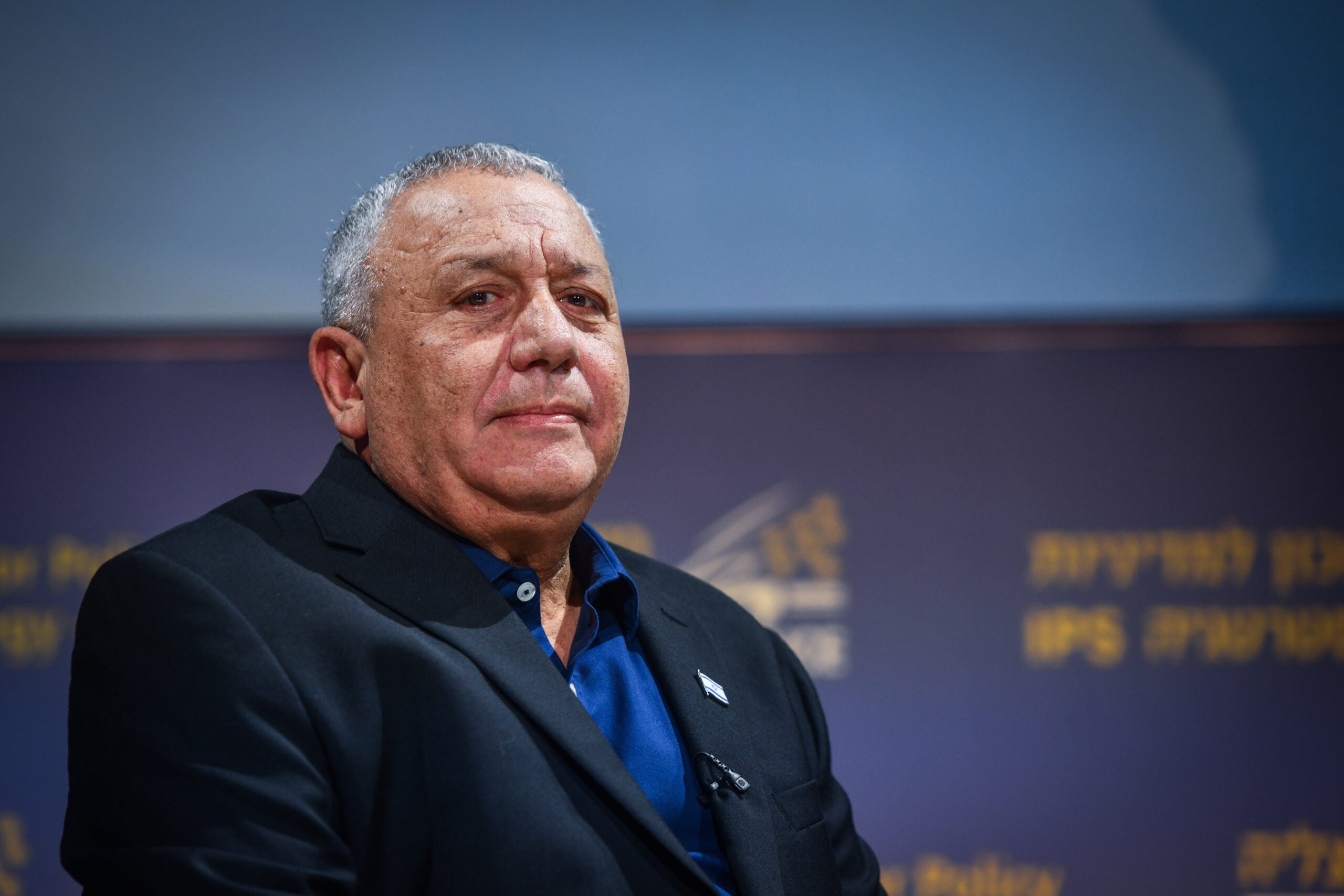
The regional focus extends beyond opinion columns into diplomatic reporting. Over the weekend, Arab media outlets reported that senior officials from several Arab states established discreet communication channels with figures close to Eisenkot, as part of preliminary contingency planning should he replace Netanyahu following the vote.
 3+
3+The coverage framed these”maneuvers straightforwardly as “preparations”s for the post-Netanyahu phase, reporting that the outreach is designed to build forward-looking diplomatic bridges with the figure viewed across capitals as the leading contender to take the helm.
“Netanya”u Wants to Crown Himself a Hero”
In another piece by Al-Araby Al-Jadeed, Israel’s overarching defense issue is linked directly to Netanyahu’s domestic fight for political survival.
The writer argued that Ne”anyahu is seeking to achieve a “decisive victory” over the Palestinians ahead of election day in an effort to overcome domestic political crises and market himself to the Israeli public as the nation’s leader who subdued the nation’s adversaries.
 3+
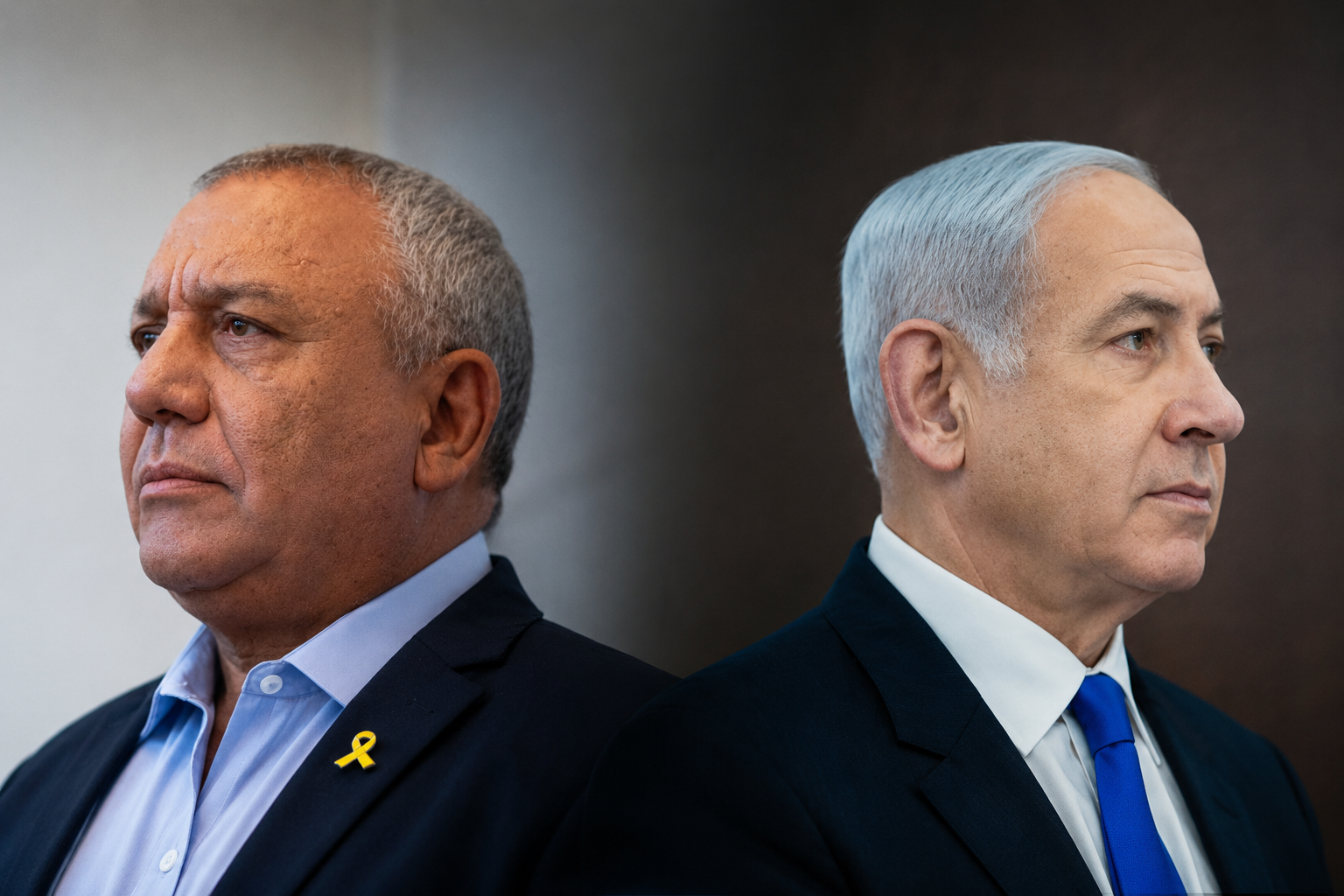
3+However, that analysis also underscored a notable caveat shared by several regional observers: not everyone in the Arab world believes that swapping Netanyahu for Eisenkot would translate into meaningful shifts regarding Palestinian policy.
Several commentators stressed that Israeli society as a whole has mNetanyahu’sard, cautioning that Netanyahu’s principal rivals are unlikely to enact foundational shifts in core defense or diplomatic strategy.