


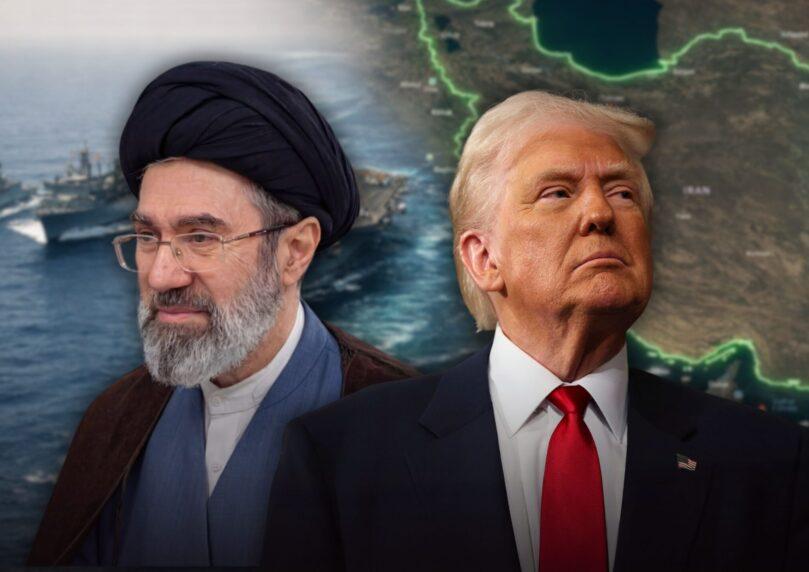

Tensions in the Persian Gulf escalated dramatically over the weekend after the Iranian regime warned that it would intensify attacks against American warships if Washington maintains its maritime blockade on Iranian ports. Officials in Tehran further declared that the scope of their retaliatory strikes would widen should the United States continue what they termed “harassment” of Iranian vessels.
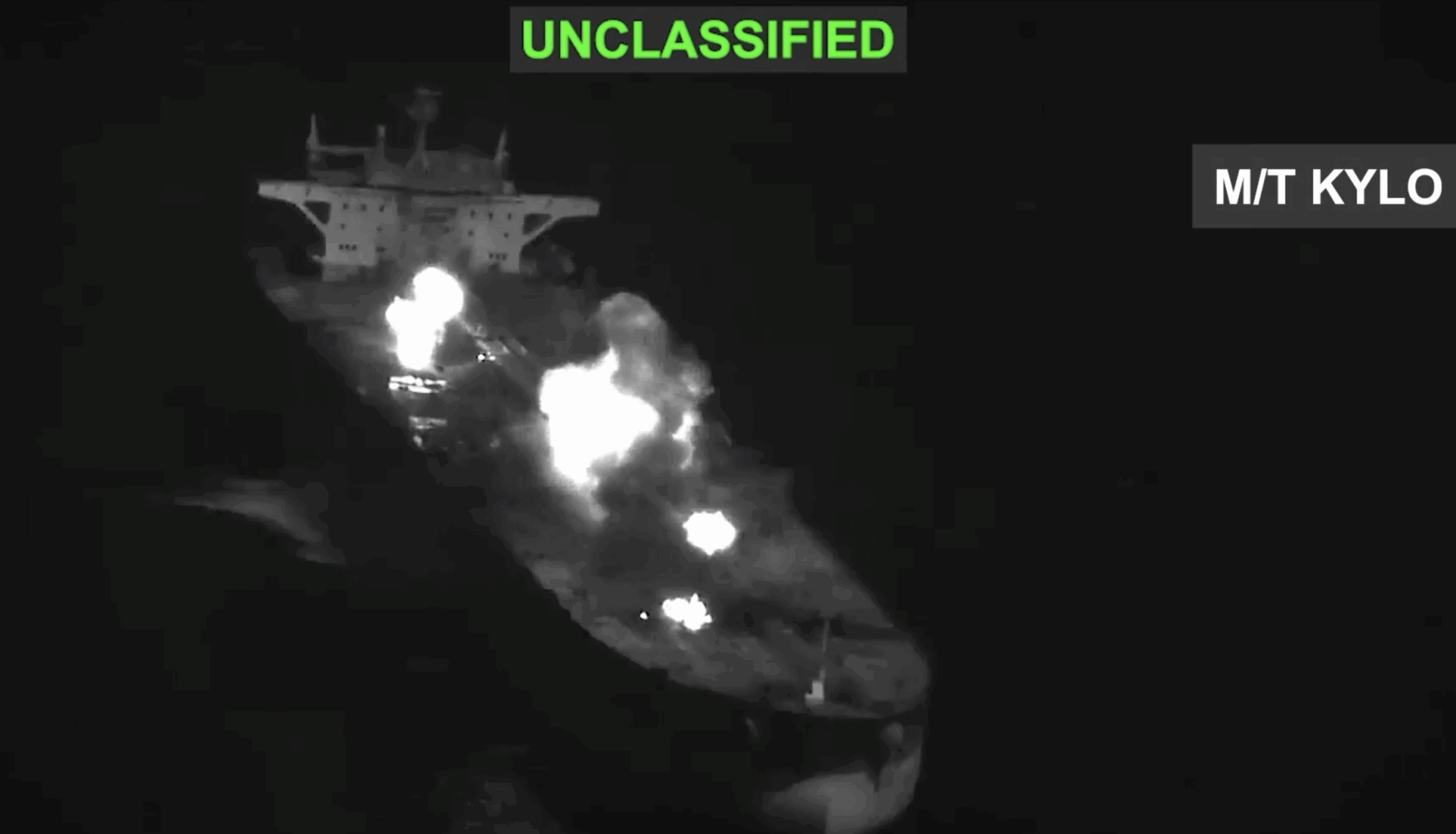
The Iranian ultimatum followed a sweeping kinetic operation announced by U.S. Central Command (CENTCOM), which neutralized three Iranian oil tankers in the strategic Strait of Hormuz. According to CENTCOM, the precision strikes were executed in direct response to the Islamic Revolutionary Guard Corps (IRGC) launching ballistic missiles targeting two U.S. Navy warships conducting territorial security patrols in the waterway. The American vessels suffered no damage, and no U.S. casualties were reported.
CENTCOM confirmed that naval and air assets permanently disabled the tankers Dony, Starck 1, and Kilo. Washington identified the three vessels as core operational assets within the IRGC’s clandestine “shadow fleet,” utilized to smuggle crude to finance terrorist proxies and IRGC operations across the Middle East. U.S. defense officials emphasized that the strikes were executed only after ship crews were afforded ample opportunity to evacuate safely.
Commander of CENTCOM, Admiral Brad Cooper, made clear that the strikes were intended to deliver an unmistakable deterrent signal to Tehran: any Iranian attempt to target American service members will exact an immediate, crippling economic toll, and Washington will not hesitate to dismantle Iran’s illicit maritime infrastructure.
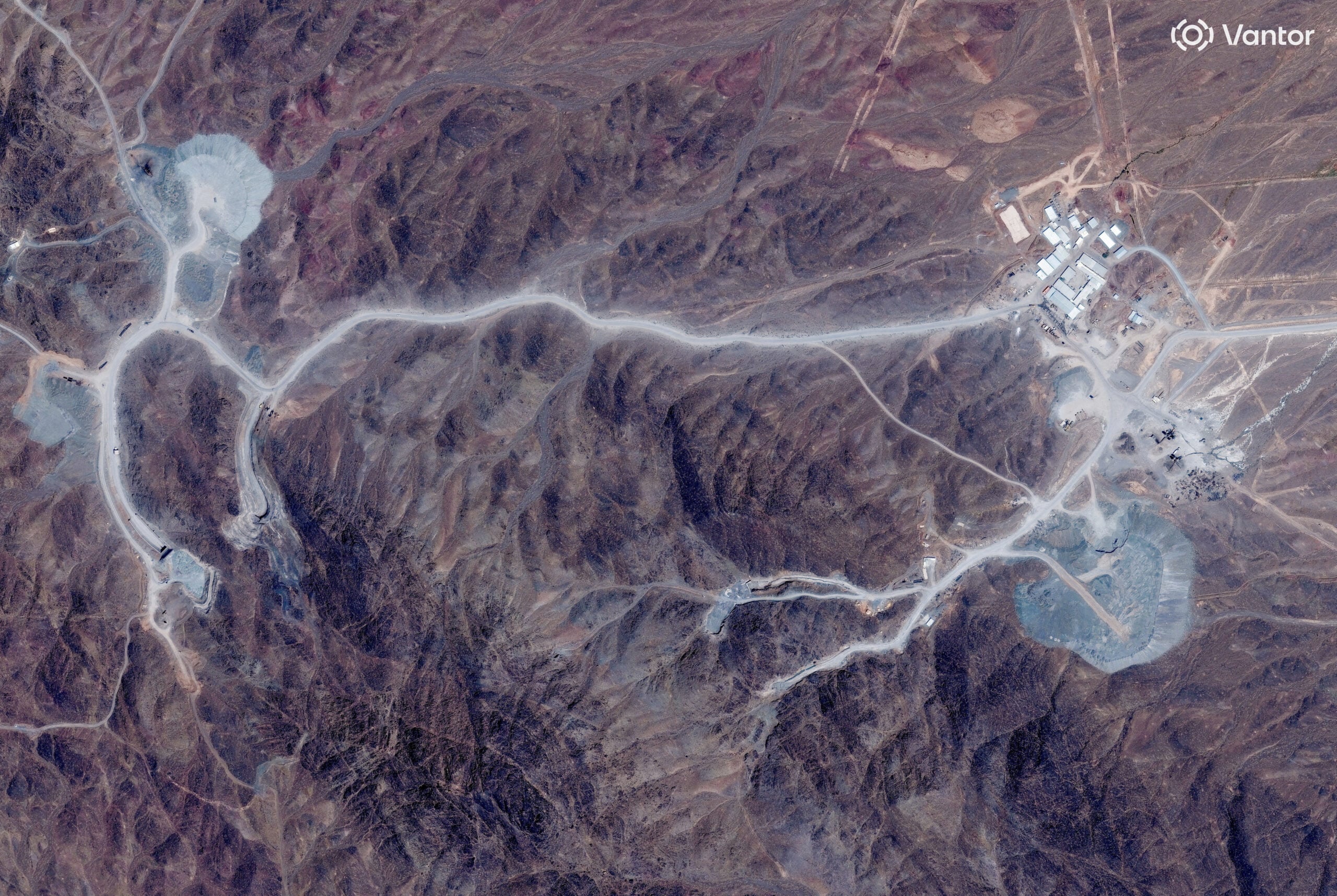
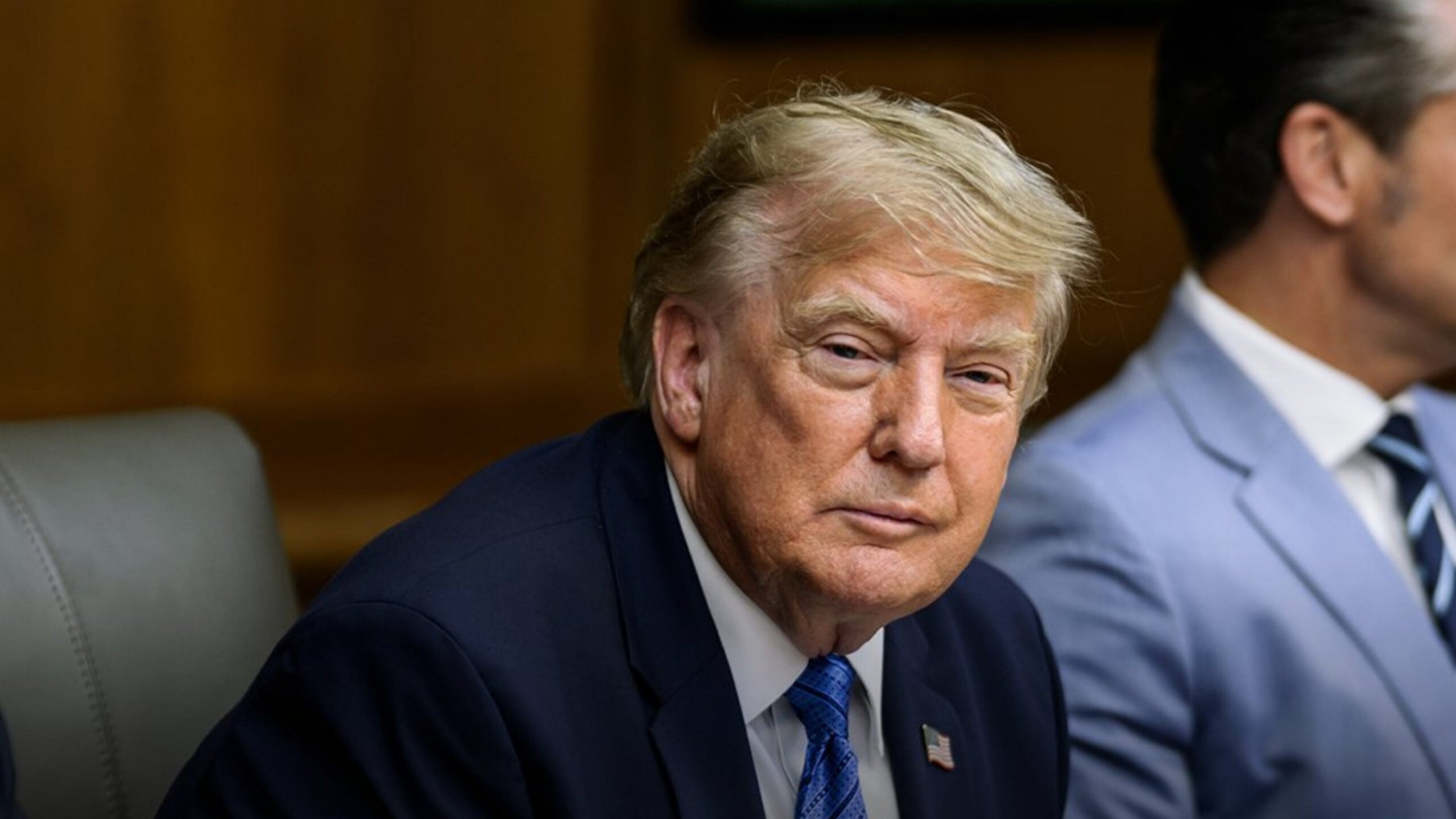
The military escalation followed sharp warnings from U.S. President Donald Trump over the weekend, who cautioned that Washington is actively preparing to hit the heavily fortified subterranean complex known as “Pickaxe Mountain” (Kuh-e Kolang). “We may hit Pickaxe Mountain very soon, because if something is going on there, we will not let it happen,” Trump warned, reiterating that the United States will never permit the Iranian regime to attain nuclear weapons breakout capability.
Trump downplayed the broader strategic footprint of the conflict, framing it not as an all-out war, but as an affordable, periodic skirmish: “I don’t call this a war; it’s a military conflict. It’s no big deal; it’s chump change for us. We carry out intermittent strikes—it’s not a war.”
The President contrasted the current low casualty figures—citing 18 casualties—with the heavy toll of historical conflicts like Vietnam, while insisting Washington will relentlessly counter any threat to its personnel. The fortified installation in question, dug deep adjacent to the Natanz nuclear site, was engineered into mountain rock as a bomb-proof substitute for the centrifuge assembly hall destroyed in a 2020 blast. According to U.S. media reports, the complex remains under 24/7 granular surveillance by Israeli and American intelligence.
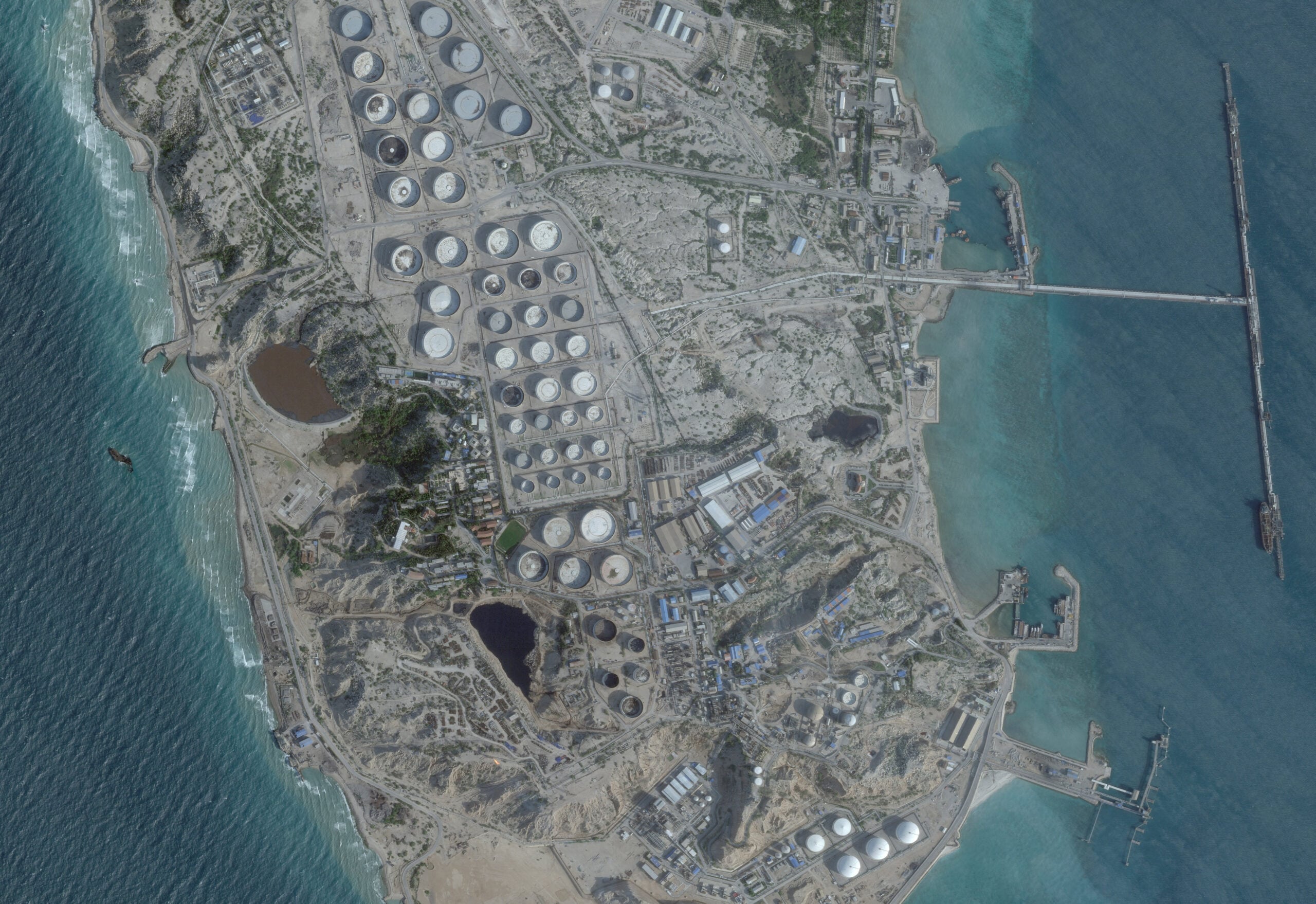
The dramatic weekend clash capped off hours of rolling confusion that began with blasts around Kharg Island, the Islamic Republic’s primary oil export hub. Iranian outlets reported that an oil tanker took four direct hits while berthed, with the crew evacuated and no casualties sustained. While state media initially withheld mention of the two other targeted tankers, reports also surfaced of a fuel truck exploding on a highway in western Iran, killing ten people.
Although local officials blamed mechanical brake failure, regional observers suspect covert sabotage. The flare-up follows weeks of compounding military action in the Strait of Hormuz. Earlier in the week, U.S. forces struck military installations on Larak Island after detecting preparations by Iranian forces to deploy naval mines against American commercial tanker escort routes. Tehran answered by launching suicide drones and missiles against Washington’s Gulf allies, prompting a widespread American response against dozens of targets across southern Iran and Hormuz.
According to a New York Times report citing U.S. intelligence assessments, Tehran is digging in for an extended confrontation designed to run at least through the U.S. midterm elections in November. The regime calculates that sustained military friction and shipping disruptions could amplify political pressures on the Trump administration—leaving the door wide open for further escalations across the Gulf.