


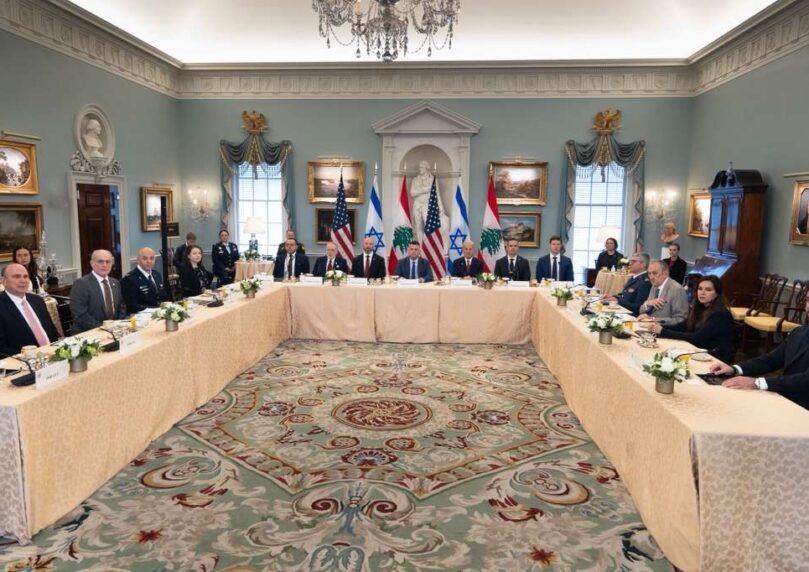

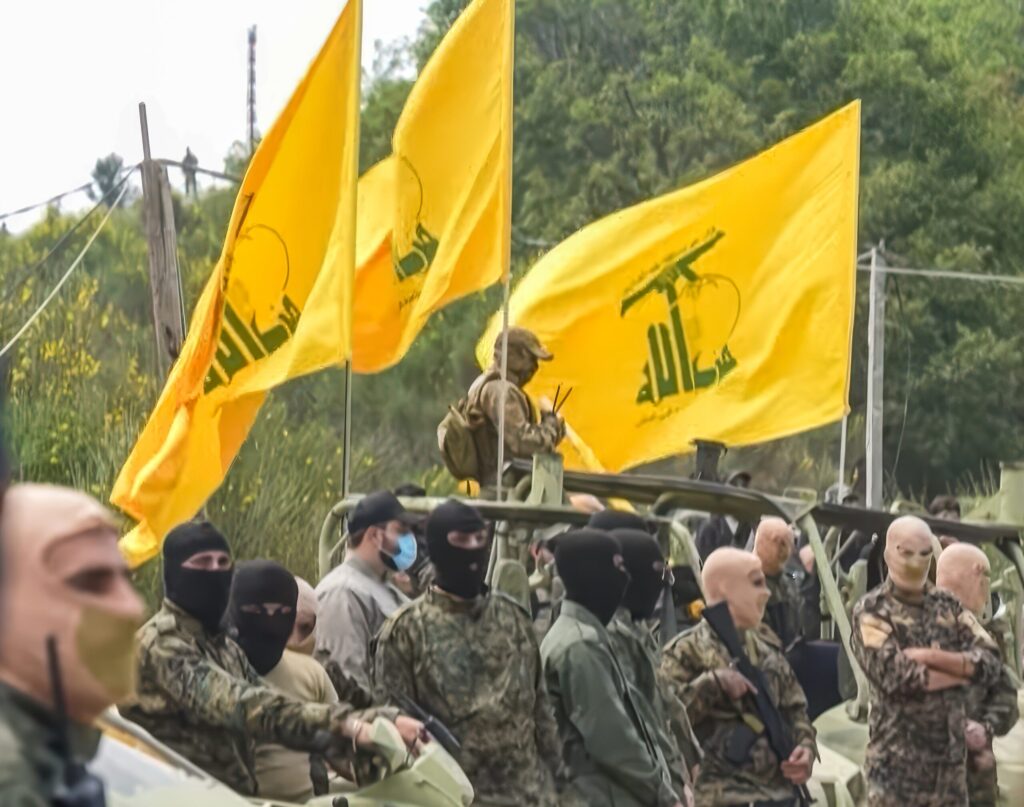
High-level diplomatic contacts between Israel and Lebanon have expanded in recent months to include a sensitive mission: locating and repatriating the remains of 12 prominent leaders of Lebanon’s historic Jewish community who were abducted and brutally murdered in the mid-1980s by Islamist terror factions, including a nascent Hezbollah.

 1+
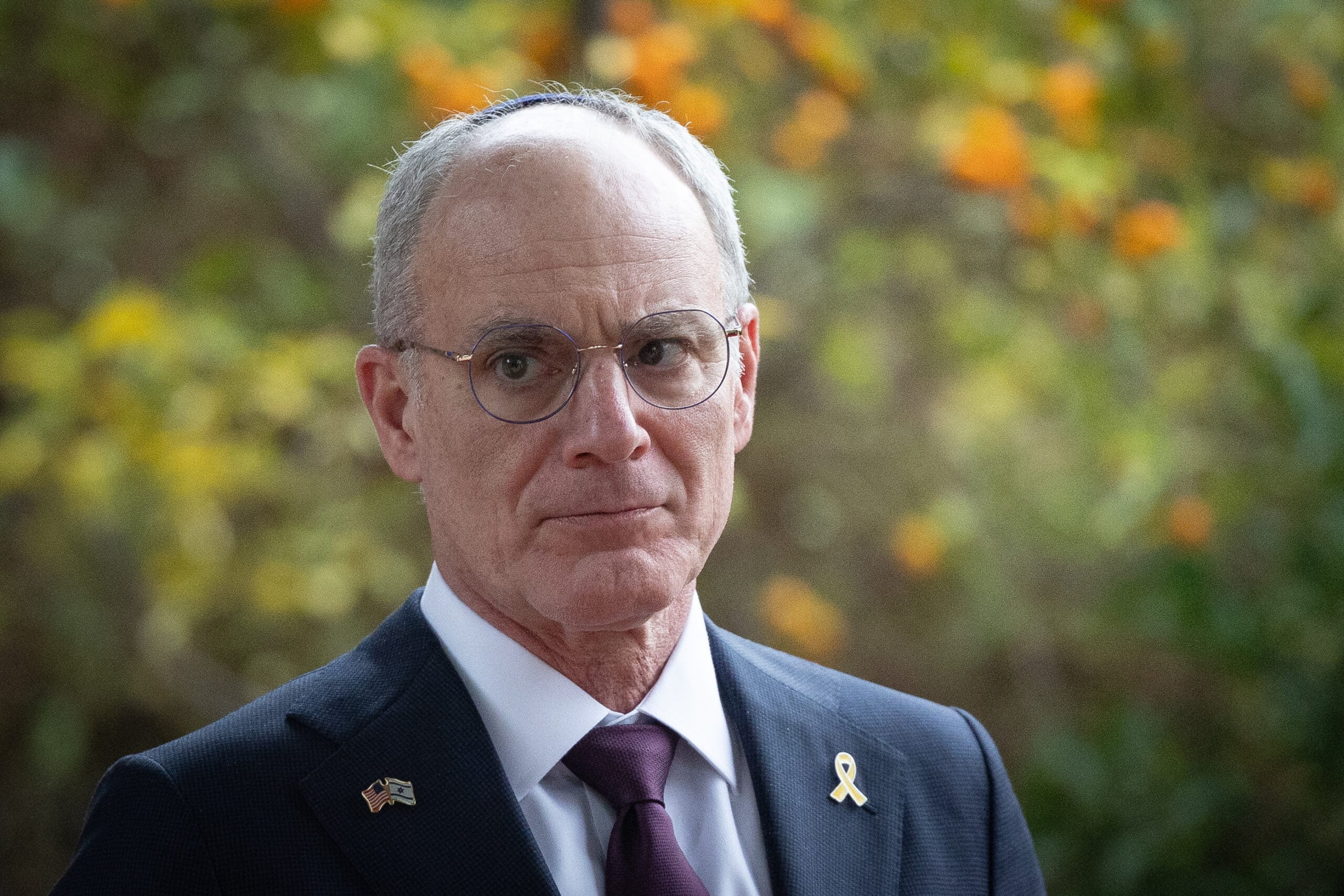
1+Newly surfaced details reveal that the effort is being spearheaded on Israel’s behalf by the Prime Minister’s Coordinator for Hostages and Missing Persons, Brig. Gen. (res.) Gal Hirsch, the National Security Council, and Israel’s Ambassador to the United States, Dr. Yechiel Leiter. The sacred file was also raised directly during formal bilateral negotiating sessions between Israeli and Lebanese delegations in Rome.
Israeli defense and diplomatic officials have identified tangible readiness by the Lebanese government in recent weeks to help advance the searches.
As part of the diplomatic exchange, Israel provided Lebanese authorities with actionable intelligence dossiers, including topographic maps and aerial photography of cemeteries and suspected burial sites where the victims may have been interred.
Concurrently, Lebanese authorities have conducted operational searches on the ground based on Israeli intelligence leads, relaying photographic evidence and video documentation back to Israel for forensic review.
While the complex recovery efforts remain active, Israeli officials note that no definitive positive identification has yet been confirmed.
The issue has been formally embedded into the diplomatic architecture between Jerusalem and Beirut.Following an uncompromising Israeli demand, Ambassador Leiter ensured the inclusion of a binding clause in the bilateral memorandum of understanding (MOU) that legally obligates the Lebanese government to actively locate the missing leaders.
 1+
1+For Prime Minister Benjamin Netanyahu, the file represents the culmination of a personal commitment spanning four decades.
During the mid-1980s wave of kidnappings and executions that targeted the remnant of Lebanese Jewry, Netanyahu served as Israel’s Ambassador to the United Nations, actively working the diplomatic corridors of New York to uncover their fate.
Several relatives of the murdered community leaders reside in Israel today. The Prime Minister’s Office, through Gal Hirsch, maintains continuous contact with the families, providing regular operational briefings on developments and searches carried out across Lebanon.Israeli officials express hope that the diplomatic opening established over the past year will finally yield a long-overdue breakthrough, bringing Jewish martyrs to a dignified resting place in Israel and closing a painful chapter left open for forty years.