


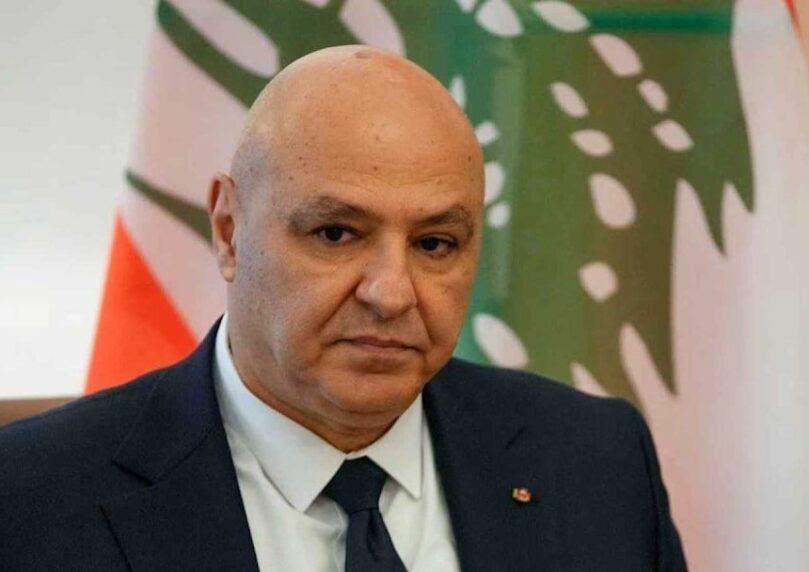

Lebanese television channels and media outlets reported Thursday that Israel is expected to release five Lebanese detainees and terrorists in the near future, repatriating them directly across the Rosh HaNikra border crossing (known on the Lebanese side as Ras Naqoura). In Lebanese broadcasts, the pending handover was framed as a diplomatic “goodwill gesture.” At the same time, Lebanese sources revealed the identity of one of the five individuals slated for release: Malek Kamal Ghazi, a 20-year-old Lebanese national.
According to Lebanese sources, Ghazi will be officially transferred into Lebanese authorities’ custody during the operation. At this stage, the names of the remaining four detainees have not been publicized, nor have Jerusalem formally disclosed the specific operational parameters or reciprocal agreements governing the handover.
Regarding Ghazi, Lebanese accounts say he first disappeared in October 2025 in the Ayn Ata–Rashaya region of eastern Lebanon. According to the standard narrative pushed by local Lebanese sources, he left home for a physical workout and vanished. It subsequently emerged that he had been captured by Israeli security forces during targeted operations and transferred into Israel for formal detention and interrogation. Now, months after his capture, Ghazi’s name has resurfaced amid leaks of the impending transfer. Sources in Beirut said Israel will deliver him through Naqoura as part of this reported gesture.
Detainee handovers through the Rosh HaNikra crossing are not without recent precedent. In March 2025, Israel released five Lebanese detainees and transferred them to Lebanon under the auspices of the International Committee of the Red Cross (ICRC). According to Lebanon’s National Human Rights Commission, that earlier release comprised four civilians and one serving soldier in the Lebanese Armed Forces. Beirut has long leveraged the issue of Lebanese detainees held by Israel as a primary diplomatic grievance.
Lebanese authorities periodically circulate registries cataloging detainees, missing persons, and unaccounted-for individuals—blending recent cases originating from ongoing IDF operations with cold cases spanning several decades.
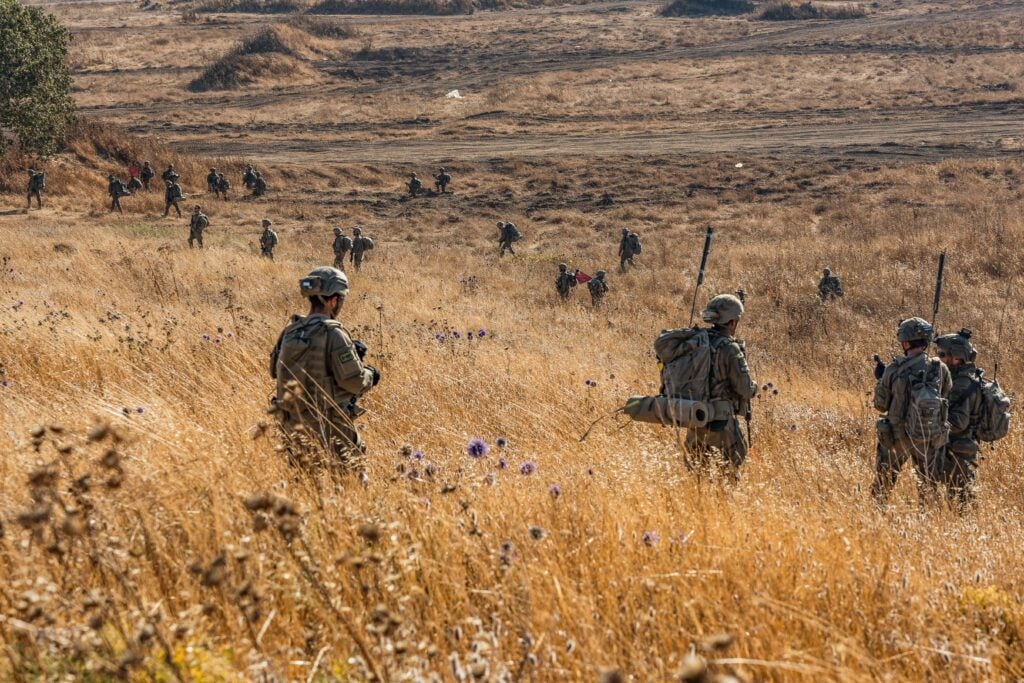
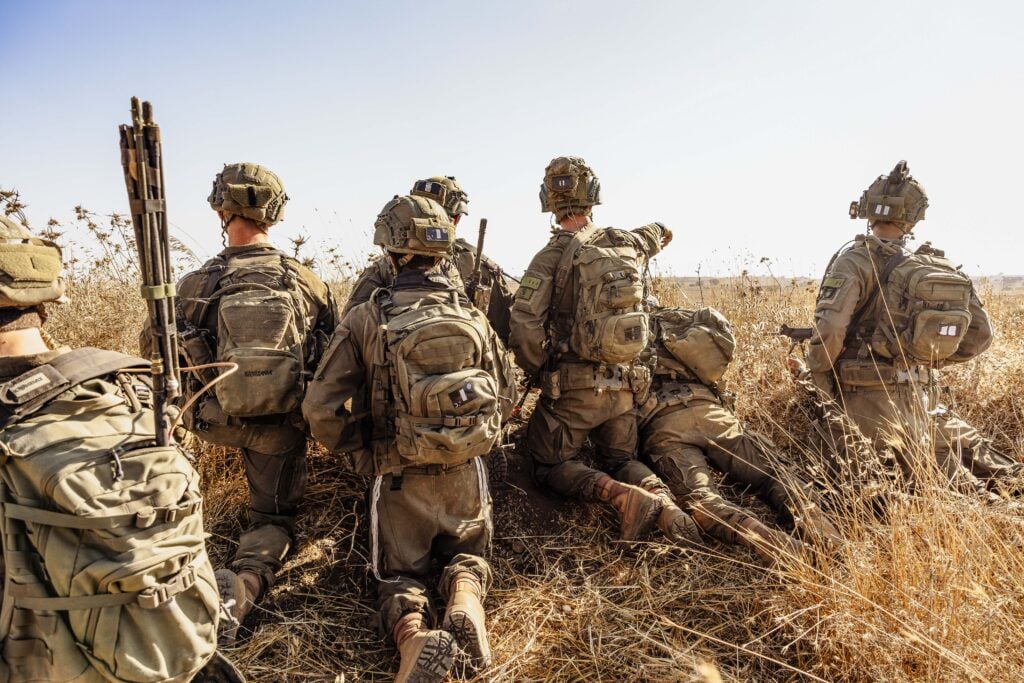
An updated registry issued by Lebanese entities in late August 2026 cataloged individuals detained during Israeli military operations across 2025 and 2026. Documented incidents span captures along border security corridors, stops inside southern villages, and maritime intercepts off the coast of Naqoura, grouped alongside decades-old missing-persons files. The reported handover unfolds during a volatile juncture along the northern front. Despite the ceasefire framework announced in June, armed friction remains acute across key friction points in southern Lebanon—most prominently around the fortified Ali Taher ridge.
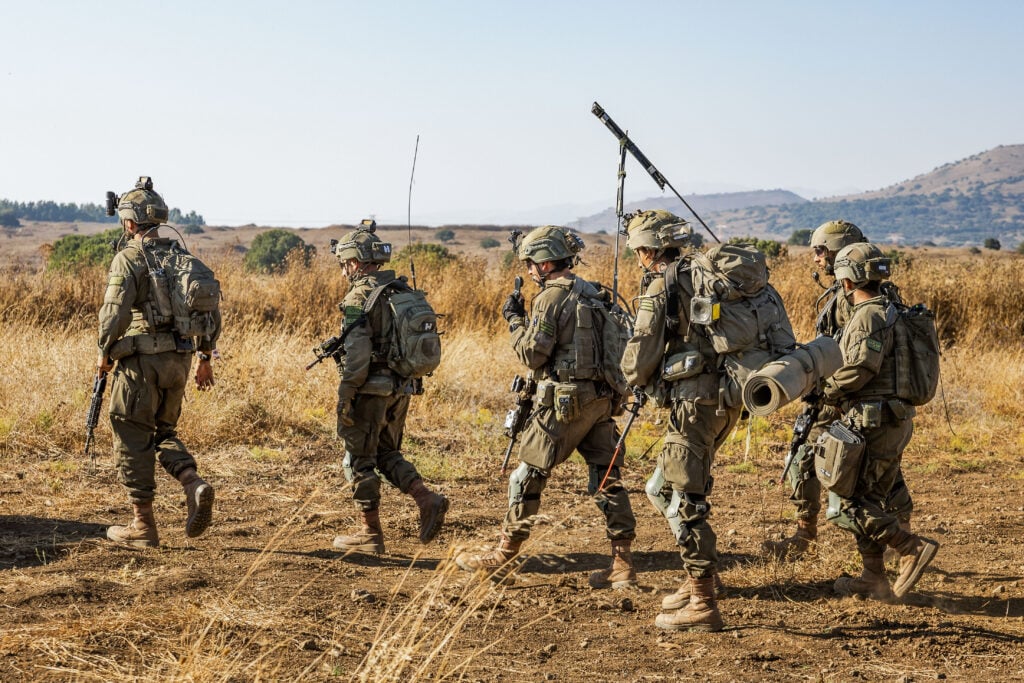
Hezbollah continues to mount operations throughout the sector. At the same time, the IDF sustains intense operational pressure and strikes, reiterating that it will not permit the terror proxy to reconstitute positions that endanger Israeli forces or northern border communities.
Concurrently, fierce domestic political fractures are paralyzing Beirut regarding the implementation of the disarmament roadmap, which stipulates a phased Israeli withdrawal in exchange for the full disarmament of Hezbollah and the expanded deployment of the Lebanese Armed Forces. While Lebanese President Joseph Aoun continues to back the framework, Hezbollah firmly rejects it, demanding its immediate cancellation.