


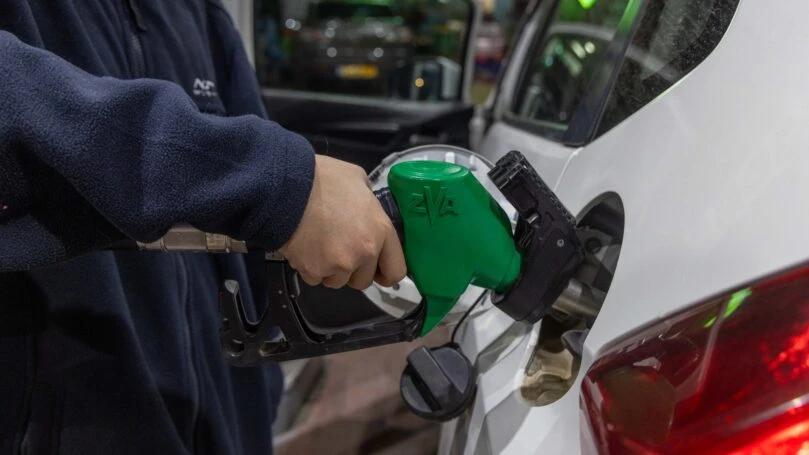

Gasoline prices across Israel are expected to drop significantly early next week after the Ministry of Finance published a draft order for public comment to slash the gasoline excise tax by 50 agorot per liter. After the public comment window closes this Sunday, Finance Minister Bezalel Smotrich is expected to sign the decree into law, subject to a review of public feedback. Once signed, the reduction will take immediate effect, updating pump prices nationwide at midnight between Sunday and Monday.

On September 1, self-service gasoline climbed to NIS 8.25 per liter including VAT—a jump of 16 agorot from the previous month. The spike marked the highest fuel price recorded in Israel since 2012, hitting drivers directly in the pocketbook. Now, within days, a decisive reduction is poised to push pump prices back below the psychological threshold of NIS 8 per liter. The initiative championed by Smotrich reduces the excise tax on fuel by 50 agorot per liter. The draft order has already been issued for public review, and after the consultation period closes on Sunday, the Finance Minister is slated to evaluate submissions and sign the order. Upon signing, fuel stations will immediately update their digital displays at midnight.
If the reduction is fully implemented, gasoline prices will drop from NIS 8.25 to about NIS 7.75 per liter. For regular commuters and commercial drivers, the savings will amount to tens of shekels monthly, depending on overall mileage and refueling volume.
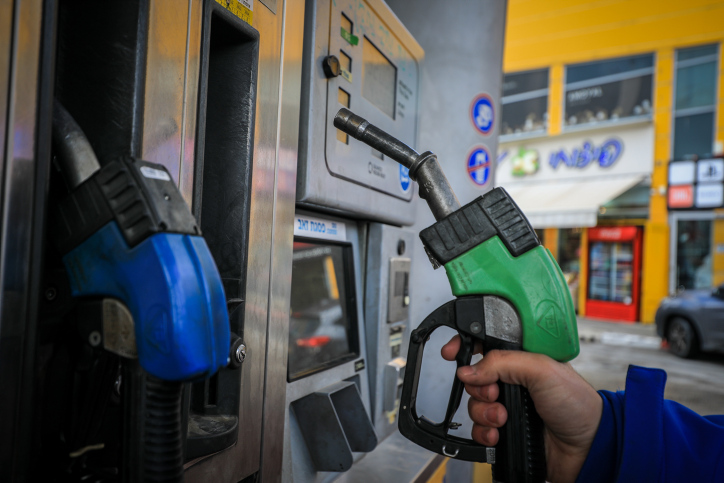
However, the impending price reduction comes amid acute volatility across international energy markets. Recent military developments in the region and American strikes against Iranian oil assets have heightened uncertainty surrounding global crude benchmarks, meaning any sharp upward swing in oil prices could subsequently filter back into Israeli domestic retail prices. For motorists, the expected decrease offers immediate near-term relief, but does not guarantee sustained price stability over the long haul.
Fuel prices in Israel are recalculated each month based on benchmark prices in European markets, foreign exchange fluctuations with the U.S. dollar, and government tax structures—meaning macroeconomic swings in global energy can rapidly alter retail prices. Ahead of the September pricing update, projections initially indicated that gasoline would decline below NIS 8 per liter, supported by a dip in crude oil. In practice, the opposite occurred: prices rose by 16 agorot to reach NIS 8.25 due to shifts in international reference markets, dollar valuation, and tax adjustments. Now, following that steep surge, the Ministry of Finance is intervening directly to reverse the trend by slashing the excise tax. If the order is finalized and signed as scheduled, motorists will see the relief at the pumps early next week, with prices falling back to roughly NIS 7.75 per liter.