


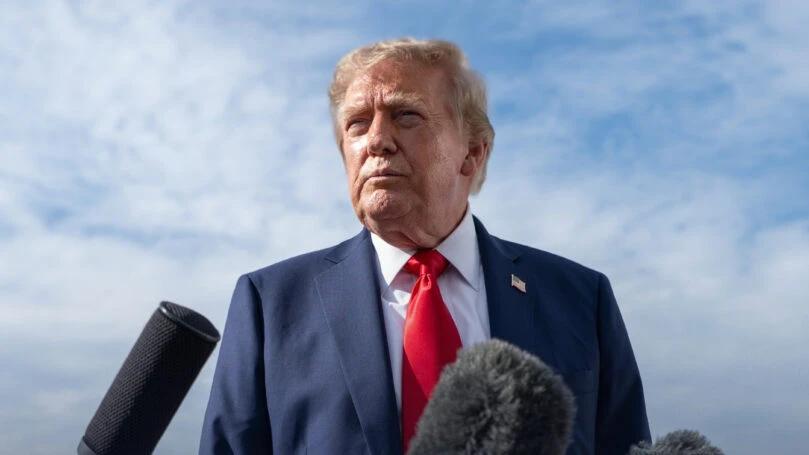
U.S. President Donald Trump adopted an absolutely calculated ambiguity on Wednesday when pressed on whether his administration would deploy the CIA to arm Iranian opposition forces in a bid to spark a nationwide uprising against the Ayatollah regime. Trump declined to confirm any covert program, but deliberately refused to rule it out, saying public commentary on such sensitive operations would be inappropriate.
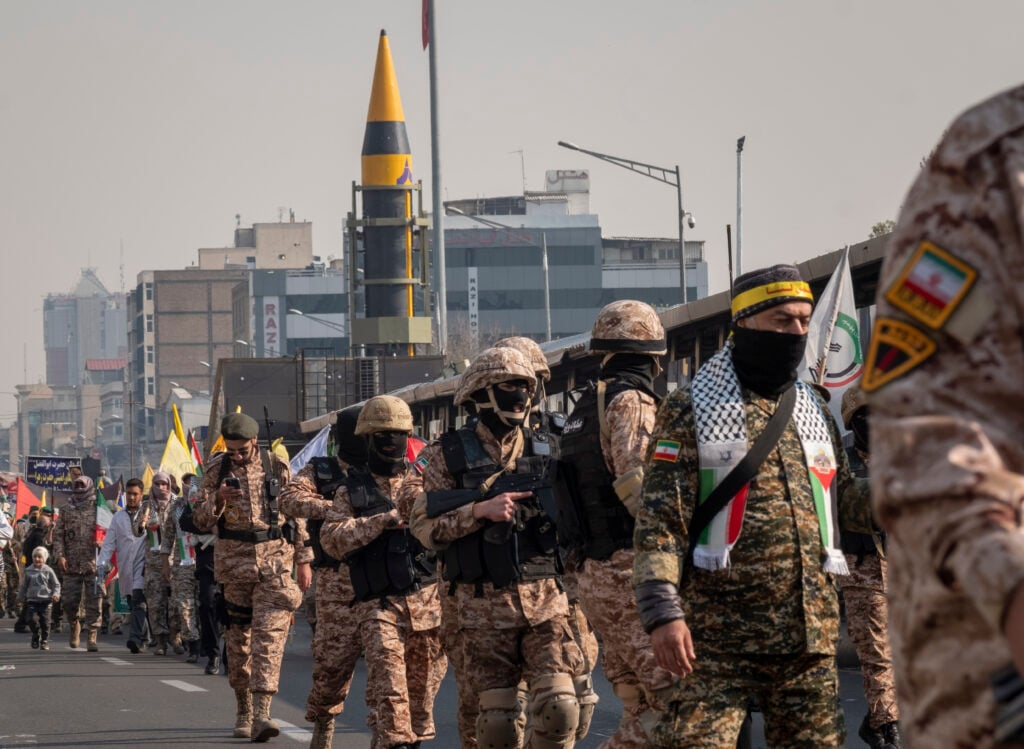
During an exchange with reporters, Trump was confronted with a direct question: “If you want the Iranian people to rise, would you send the CIA to arm the Iranians?” The President responded curtly: “I wouldn’t want to say that. That wouldn’t be appropriate to say.” His non-denial drew intense scrutiny in Washington, as Trump pointedly avoided shutting the door on American clandestine military backing for anti-regime fighters.
Alongside his refusal to dismiss arming rebels, Trump leveled aggressive warnings at Tehran, stating: “I “m ready to carry out another strike in Iran.” T”e President also disclosed kinetic operations already executed in the vital Strait of Hormuz corridor, openly mocking the operational helplessness of the Iranian military: “We” took out all that new equipment they tried to put along the Strait of Hormuz; some of it defensive, some offensive. They were trying to locate the ships because they just can’t see them.”
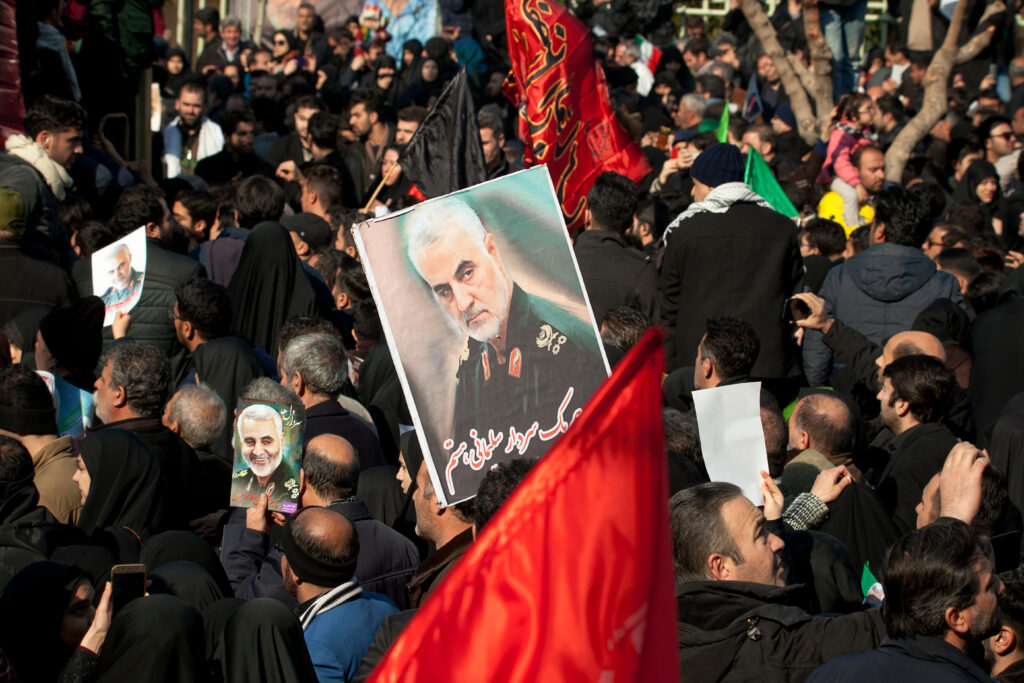
Trump highlighted the depth of U.S. intelligence penetration, describing total American surveillance in blunt terms: “We see every single thing they do. They can’t even go to the bathroom without us seeing it.” Turning to the fracturing internal stability of the Islamic Republic, Trump argued that the Ayatollahs’ grip on the population is nearing a breaking point: “The regime is getting weaker, and at a certain point they’re going to be able to shoot people so easily. The people arearen’ting to take it anymore.” In this context, Trump cited staggering death tolls from the violent suppression of mass civilian protests, claiming casualties have surged dramatically: “As of three months ago, 52,000 protesters had been killed. Now I hear it’s gone up by another 20,000 to 25,000. In total, close to 65,000 protesters have been killed.”
The President’s statements follow months of conflicting reports regarding potential U.S. support for armed opposition groups. In March, reports emerged that the Trump administration engaged in contacts with anti-Tehran Kurdish factions, with several outlets claiming Washington was weighing military backing. Conversely, senior figures in Iraqi Kurdistan pushed back, insisting Trump had not asked Kurdish forces to cross into Iran and that no covert CIA pipeline had been activated at that time.

The issue resurfaced in May when Secretary of State Marco Rubio was questioned regarding Trump’s desire to see the Iranian public resist tyranny. Rubio declined to disclose whether American hardware was flowing into the country, framing the matter as an aspirational principle to see citizens confront their oppressors. Meanwhile, Capitol Hill hawks have grown increasingly vocal: Republican Senator Ted Cruz openly demanded that the administration arm dissidents inside Iran, arguing that regime overthrow should be spearheaded by Iranians fighting for their own liberty, avoiding American boots on the ground.
The convergence of hinted CIA covert operations, an open readiness to launch devastating strikes, destruction of IRGC hardware in the Strait of Hormuz, and total intelligence dominance represents an acute escalation in the administration’s maximum pressure campaign. By pairing direct military deterrence with the volatile pressure cooker of domestic Iranian unrest, Washington is pinning the Tehran regime into a two-front defensive posture—facing decisive American military superiority from without, and an armed, enraged populace from within.