


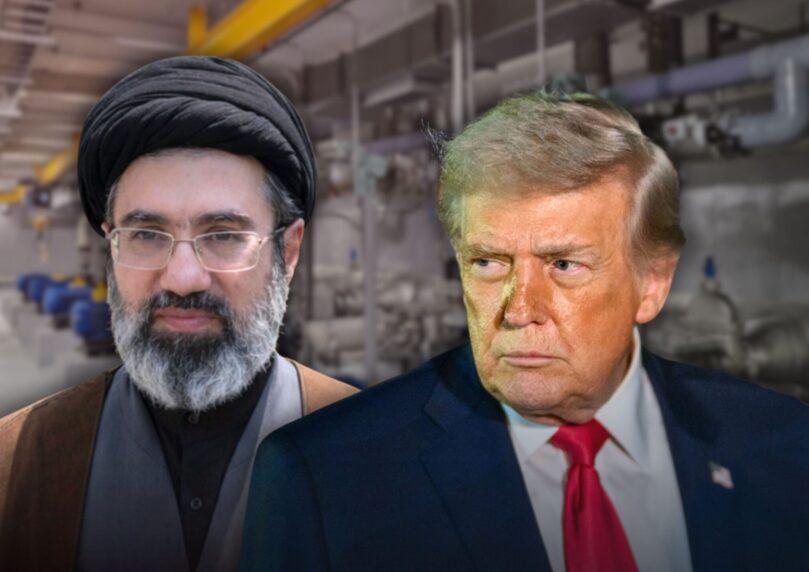

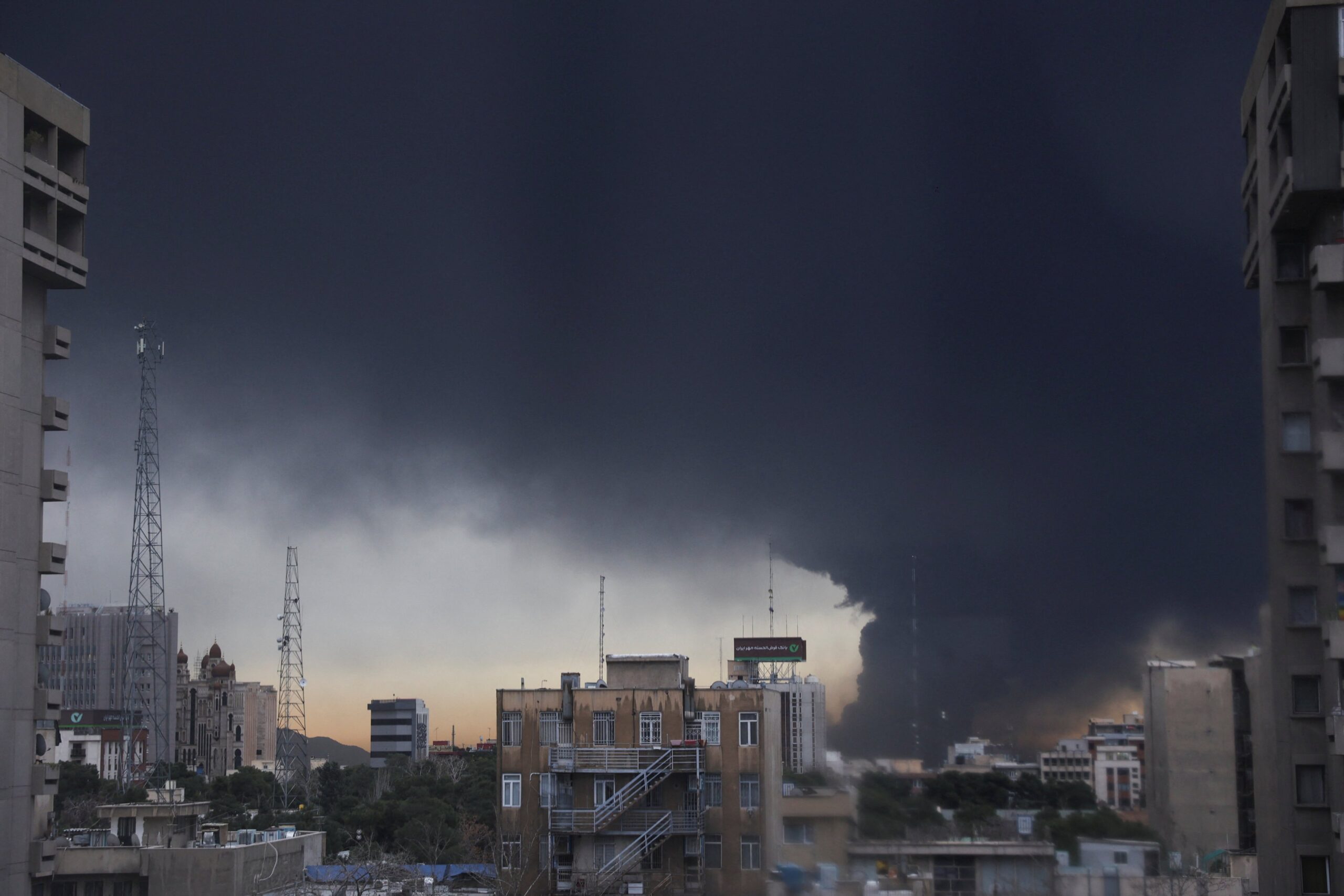
The United States is rewriting the rules of engagement against Tehran by formally incorporating Iranian energy infrastructure into its operational target bank. Last night’s American strikes on two Iranian oil tankers mark a decisive strategic turning point in Washington’s retaliatory policy against the Islamic Republic.

 1+
1+Until now, U.S. combat operations have strictly targeted military command posts, air defense networks, and missile launch sites. The overnight strike represents the first time American forces have deliberately hit an Iranian commercial energy asset. Through this action, the United States transmitted an explicit diplomatic backchannel message to Tehran via Qatar: if Iranian aggression continues to escalate, Washington is prepared to climb the escalation ladder, transitioning from tactical military targets to systematically neutralizing national oil and energy infrastructure.
The American message effectively opens an entirely new phase of the confrontation. With energy assets now squarely on the table, defense officials view the strike as a consequential shift. In the event of further Iranian provocations, U.S. strike packages are poised to progress up the strategic ladder—advancing from maritime tankers to critical land-based export terminals, chief among them Kharg Island, which handles the overwhelming majority of Iranian crude exports.
 1+
1+The operation serves primarily as a potent deterrent signal, demonstrating that Tehran’s economic lifeblood is no longer off-limits. Strategically, the precedent set by Washington also grants broader international legitimacy for Israel to strike Iranian oil refineries and energy infrastructure should cross-border hostilities widen. The U.S. warning to Tehran is unmistakable: continue escalating, and full-scale strikes on energy and fuel facilities will follow—the era of restricting retaliations solely to military sites is over.