


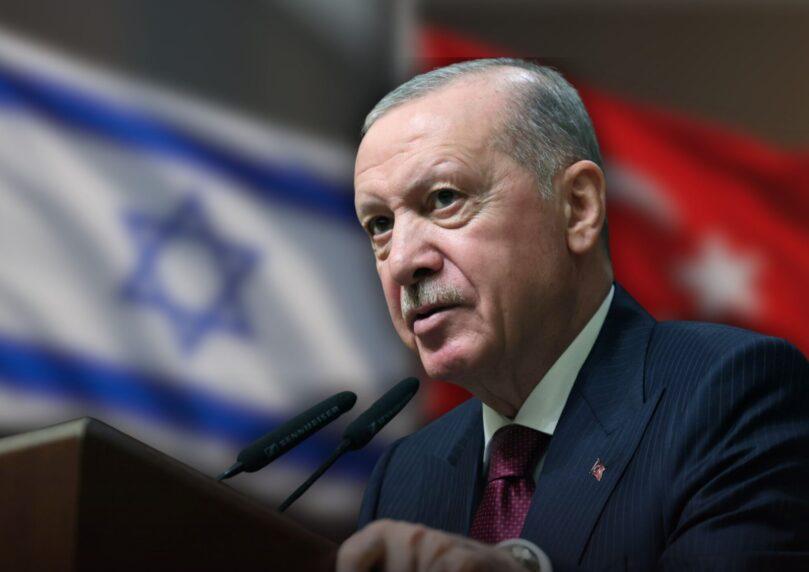

A senior Israeli diplomatic official addressed the tense and volatile relationship between Israel and Turkey on Wednesday, clarifying that decision-makers in Jerusalem classify Ankara as a bitter rival rather than an enemy state, backed by a clear intelligence assessment that neither side is interested in sliding into a direct military clash. The comments come at an extraordinarily sensitive juncture, following unprecedented friction in Syria over recent weeks ignited by a targeted Israeli strike on the Abu al-Duhur airbase, aimed at preempting the deployment of Turkish forces in the area.

 2+
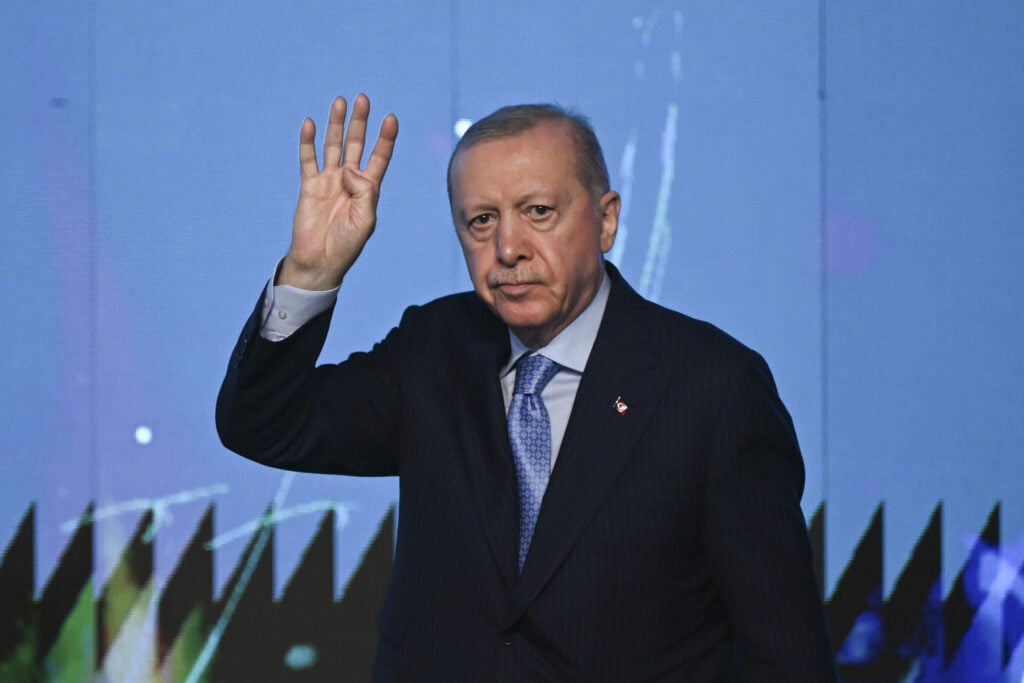
2+The senior official sought to define Ankara’s exact standing from Jerusalem’s strategic perspective: “Turkey cannot be defined as an enemy state, but rather as a rival.” Addressing mounting concerns over a potential kinetic exchange of fire, the official stressed that both nations have a clear mutual interest in preventing a conflagration: “I do not believe either side wants to reach an exchange of fire between Israel and Turkey.”
However, alongside efforts to lower tensions, the official revealed a sharp diplomatic shift in backchannel communications, confirming that Israel has stopped relaying diplomatic messages to Ankara via Azerbaijan. This marks a notable break, as Azerbaijani President Ilham Aliyev had previously facilitated direct dialogue channels that gave rise to operational deconfliction mechanisms in Syria, with Baku attempting to mediate between the parties as recently as last week.
 2+
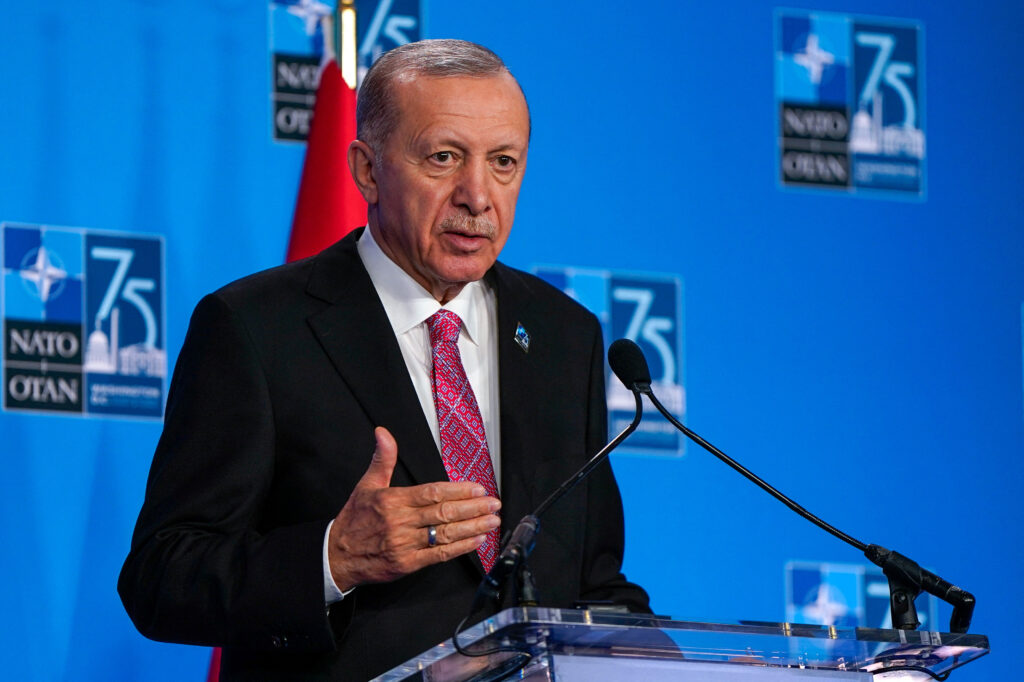
2+Military friction between Israel and Turkey escalated sharply in August when Israeli Air Force fighters struck the Abu al-Duhur military airfield in Syria’s northwestern Idlib province—just dozens of kilometers from the Turkish border. At least eight precision bombs targeted runways and hangars in an operation intended to neutralize actionable intelligence indicating Damascus was preparing to grant Turkish forces operational basing rights at the facility.
Israel’s Ambassador to the United States, Yechiel Leiter, addressed the strike shortly after, stating that Israel possessed solid intelligence regarding Turkey’s intent to dramatically expand its military footprint: “Israel is not interested in war with Ankara or Damascus, but from our perspective, a red line was crossed.”
 2+
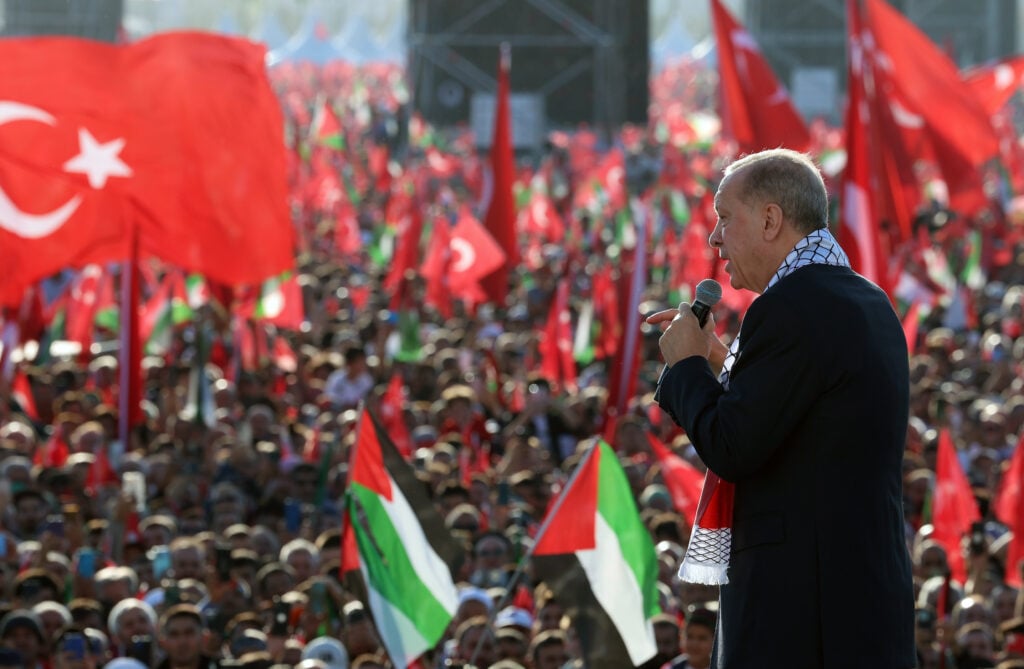
2+The incident brought the two militaries to the brink of direct confrontation. U.S. Special Envoy for Syria and Ambassador to Turkey, Tom Barak, revealed that Ankara received zero advance warning of the raid and that the Turkish military tracked IAF jets flying northward toward their operational airspace, possessing the capability to open fire. Barak emphasized that only calculated restraint on the ground averted severe escalation. In response, Ankara’s Foreign Ministry forcefully condemned the raid, alleging a violation of Syrian sovereignty and calling on the international community to curb IDF activity in the country.
Amid palpable fears of an aerial or ground collision, the U.S. administration began advancing a trilateral deconfliction mechanism between Israel, Turkey, and Syria to coordinate troop movements and prevent miscalculations. However, the initiative faces significant hurdles: on August 27, the Turkish Ministry of National Defense stated that Ankara had not received a formal outreach from Washington to join such a framework. Now, with Israel disconnecting the Azerbaijani mediation pipeline, regional tensions are unfolding without established diplomatic safety nets.