


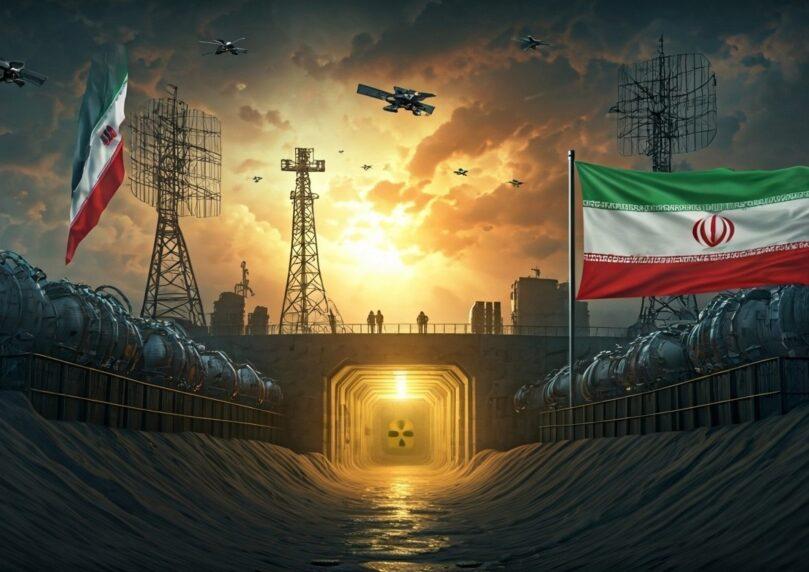

In a comprehensive 11-page confidential report circulated to member states on Tuesday ahead of next week’s Board of Governors convening in Vienna, the International Atomic Energy Agency (IAEA) revealed an alarming reality: the UN watchdog does not know where Iran’s enriched uranium stockpiles are located, cannot assess their current status, and cannot determine whether clandestine centrifuge enrichment continues.


 4+
4+IAEA Director General Rafael Grossi warned in the official document of unprecedented verification gaps and issued a direct appeal to Tehran’s leadership to permit the resumption of monitoring “with the utmost urgency”.
The report explicitly stated: “The agency’s lack of information about this material and access to facilities to verify it is a matter of proliferation concern.”
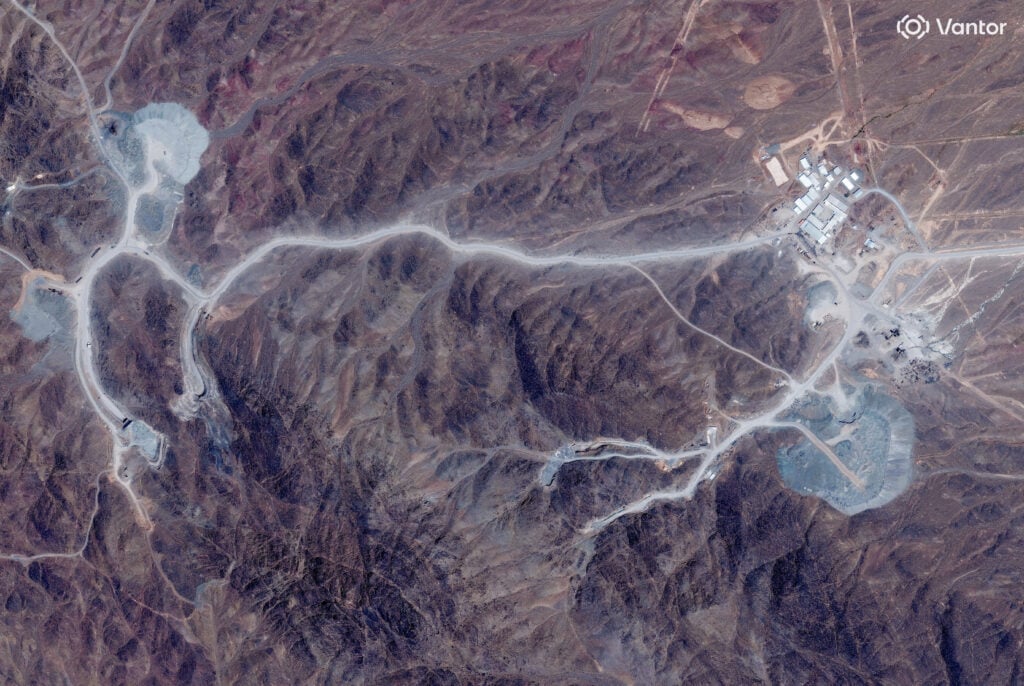
According to the report’s detailed findings, Iran has carried out no routine verification activities since late February. Today, the agency has zero access to 20 declared nuclear sites, in addition to one newly declared location—bringing the total to 21 locked facilities. Barred installations include the operational centers of gravity of Iran’s nuclear project: the underground enrichment facility at Fordow, the primary complex at Natanz, and the nuclear installation in Isfahan.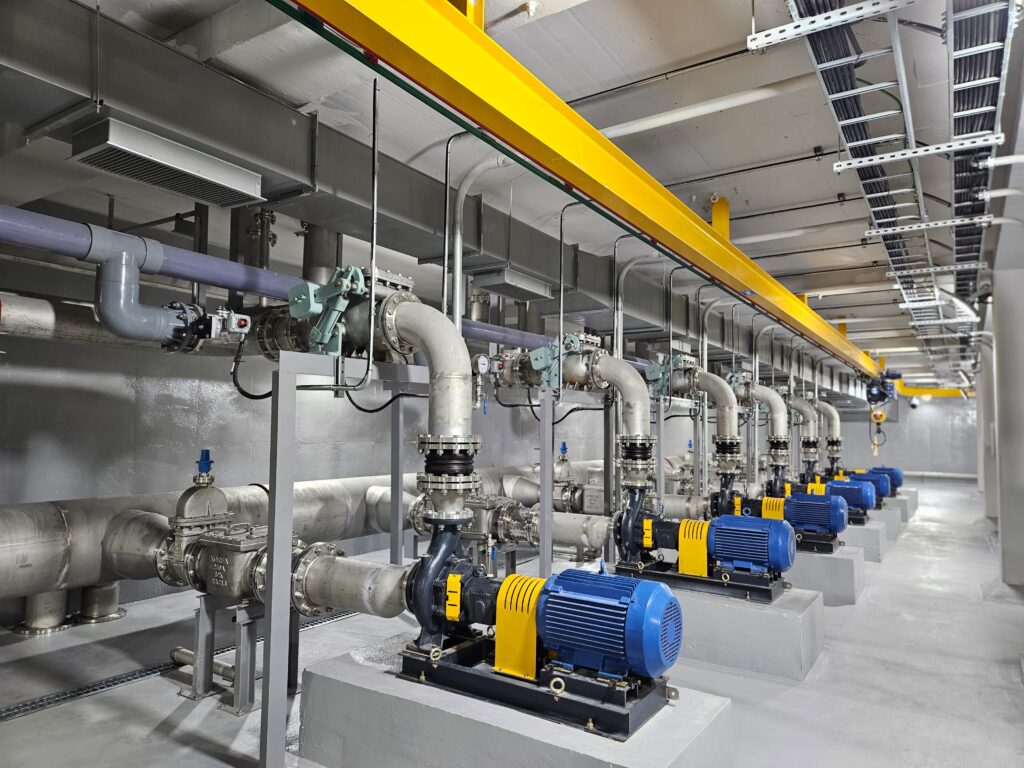 4+
4+Furthermore, while Iran officially declared the establishment of a fourth enrichment facility near Isfahan, the IAEA acknowledged it lacks even coordinates or a precise location for the new site.
The agency’s latest verified data relies solely on partial declarations provided by Iran on June 12 and 13, 2025:-
Total enriched uranium stockpile: 9,874.9 kg
-
Uranium enriched up to 20%: 184.1 kg
-
Uranium enriched up to 60% (near weapons-grade threshold): 440.9 kg
 4+
4+Since that date, the IAEA has had no information on the current volume of uranium, its chemical composition, the operational status of centrifuges, whether production and assembly continue, or where the fissile stockpiles are being hidden.
Tehran continues to deny seeking a nuclear weapon, yet refuses to offer any technical rationale for enriching uranium to 60% purity—a level devoid of justifiable civilian application.
At the same time, Tehran ignores outstanding IAEA inquiries into past clandestine activities and undeclared sites. The sole site Iran has pledged to allow inspectors to visit later this month is the civilian nuclear power plant at Bushehr.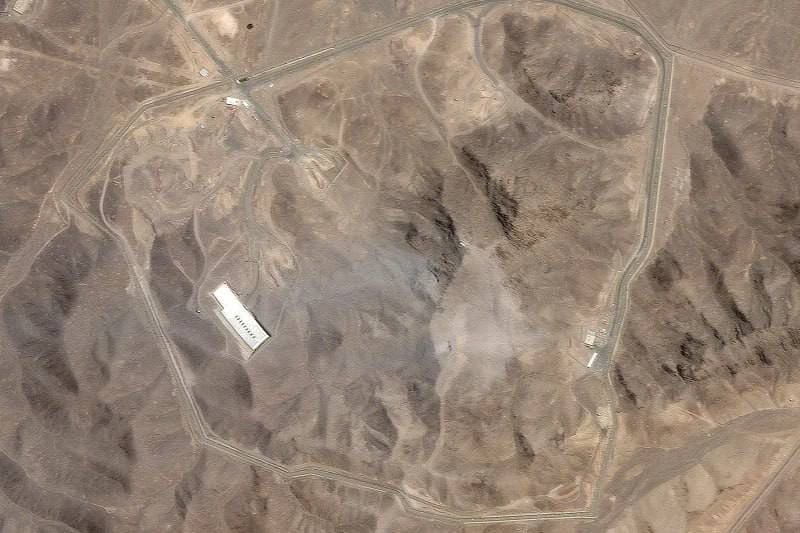 4+
4+Nonetheless, the report highlighted an important technical caveat: currently, IAEA satellite surveillance shows no physical indication of large-scale enrichment resumption, and officials in both the United States and Iran have maintained that full enrichment has not restarted. Furthermore, there is no verified evidence that Iran has assembled a nuclear explosive device. However, the absence of inspectors on the ground creates a critical intelligence vacuum, making it impossible to ascertain what is occurring deep inside subterranean bunker complexes.
The report lands on the desks of world powers at an extraordinarily delicate juncture, days ahead of the IAEA Board of Governors summit in Vienna, which is widely expected to advance a formal censure resolution condemning the Iranian regime.
 4+
4+The strategic implications are severe: the international community is effectively operating blind regarding Iran’s nuclear program. Possessing nearly half a ton of 60%-enriched uranium without international oversight or known storage coordinates leaves Iran potentially days away from a dash to weapons-grade fissile breakout for several warheads, without the IAEA or Western intelligence having real-time early warning.