


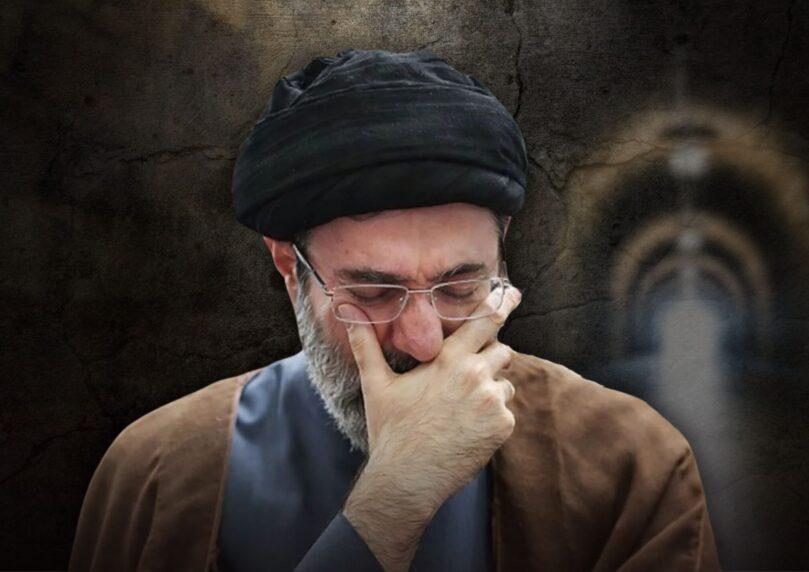

In an extraordinary diplomatic rupture, the government of Peru announced on Tuesday evening that it has officially severed diplomatic ties with the Islamic Republic of Iran. The government delivered the official notification directly to Tehran through the Iranian Embassy in Ecuador, which also serves as its accredited mission to Peru.
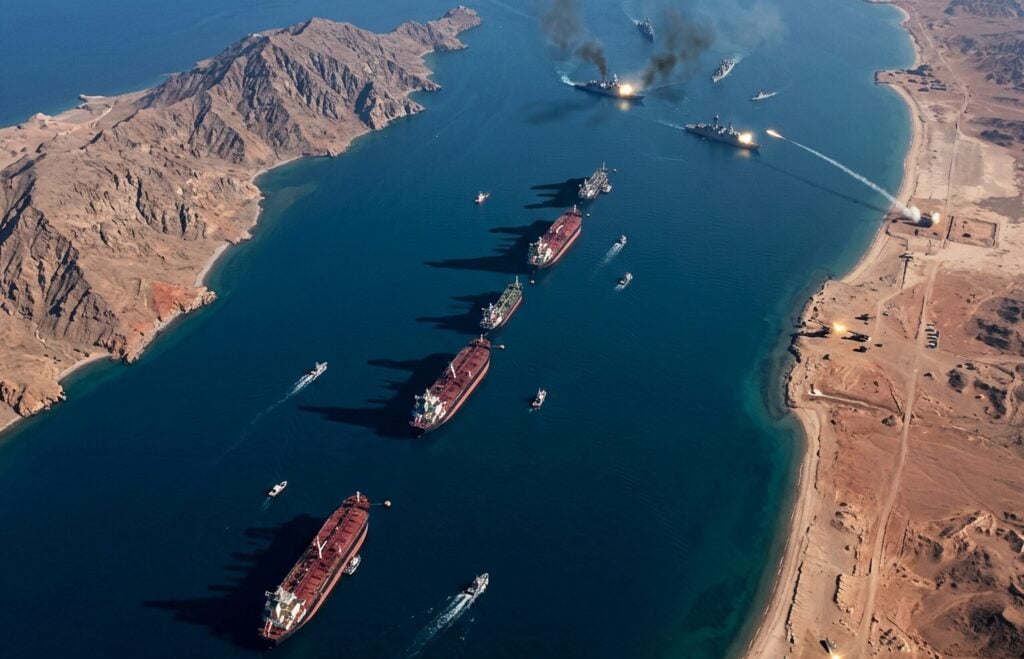
The Ministry of Foreign Affairs in Lima substantiated the drastic decision with a series of sharp indictments against the regime in Tehran. Key grievances cited included the severe collapse of democratic standards in Iran, the violent suppression of peaceful protests, systematic attacks on press freedom, the persecution of political dissidents, and pervasive institutional discrimination against women and girls. Concurrently, Lima accused Tehran of endangering international security, both by inciting violence and fueling escalation across the Middle East, and by imposing aggressive maritime restrictions in the Strait of Hormuz that have severely destabilized global commercial shipping.
Nuclear Defiance and Regional Isolation
The nuclear portfolio played a major role in Peru’s rationale. Lima’s Foreign Ministry accused Tehran of systematically obstructing the work of the International Atomic Energy Agency (IAEA), highlighting multiple instances where international inspectors were barred from accessing nuclear installations, thereby undermining the critical verification regimes needed to prevent nuclear weapons proliferation. While political relations have been formally severed, Peruvian authorities confirmed that basic consular ties will remain intact to safeguard the interests of both countries’ citizens.

Global commercial shipping corridors around the Strait of Hormuz have suffered acute disruptions since March as a result of aggressive Iranian interdictions and harassment. Simultaneously, friction between Tehran and the West has reached a boiling point over Iran’s refusal to cooperate with IAEA nuclear monitors. The timing of Peru’s announcement is particularly conspicuous, landing amidst intense military confrontation between the United States and Iran, which has featured U.S. air strikes against IRGC targets followed by Iranian ballistic missile and UAV salvos aimed at American bases in the region.

Peru’s dramatic stance aligns directly with international efforts to ramp up economic and diplomatic pressure on Tehran. Lima’s vocal condemnation regarding IAEA obstructions and maritime interference provides vital multilateral backing for tightened global sanctions across Iran’s oil, maritime shipping, and nuclear sectors. The severing of ties by a major South American nation deals a tangible blow to Iran’s strategic strategy of bypassing Western sanctions by cementing economic and diplomatic footholds across Latin America. By taking an unambiguous public stand, Peru has deepened Tehran’s geopolitical isolation and drawn a sharp red line against maritime disruption and nuclear defiance.