


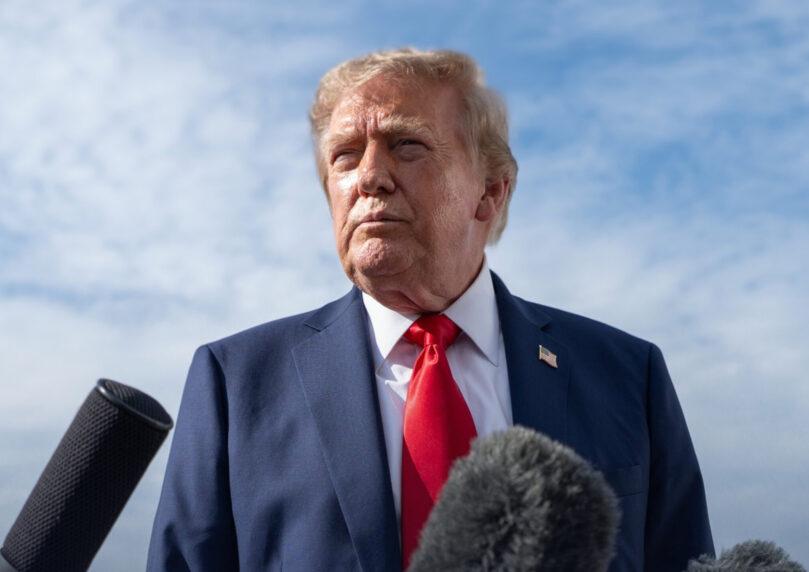

Senior advisers to U.S. President Donald Trump are moving to prevent major military escalation in the confrontation with Iran ahead of the November midterm elections in a bid to minimize projected Republican electoral losses, Reuters reported on Wednesday, citing four sources familiar with internal administration deliberations—three of whom hold White House posts.

 2+
2+According to the report, the administration may weigh ramping up military operations following the November 3 vote. However, sources cautioned that returning to full-scale kinetic conflict is far from a settled decision. For now, the White House prefers tightening economic chokeholds on Tehran to extract negotiating concessions that months of combat have failed to secure. “We continue to maintain pressure on Iran,” one White House official noted, “but November is the priority.”
Political considerations heavily underpin the administration’s preference for a lower-intensity posture. A late-August Reuters/Ipsos poll showed only 31% of Americans support the war compared to 63% who oppose it, with elevated fuel prices driving widespread voter frustration. Trump’s own approval rating dropped from 40% to 33% since hostilities began. Administration officials fear renewed escalation would turn the war into a dominant campaign issue just as Republicans fight to protect narrow majorities in the Senate and the House of Representatives.
 2+
2+However, sustaining a relative pause faces severe operational friction on the ground.
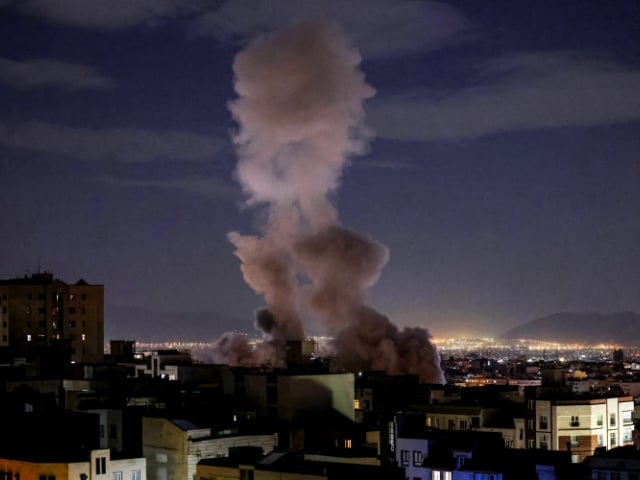
Over the weekend, U.S. forces struck rocket launchers on Iran’s Larak Island following a month-long lull.
In retaliation, Iran fired missile salvos toward Jordan and the United Arab Emirates. On Tuesday, U.S. forces targeted additional Iranian assets around the Strait of Hormuz.Trump warned that any Iranian response would trigger a “much harder” blow, cautioning that the largest strike package remains “waiting on the sidelines”.
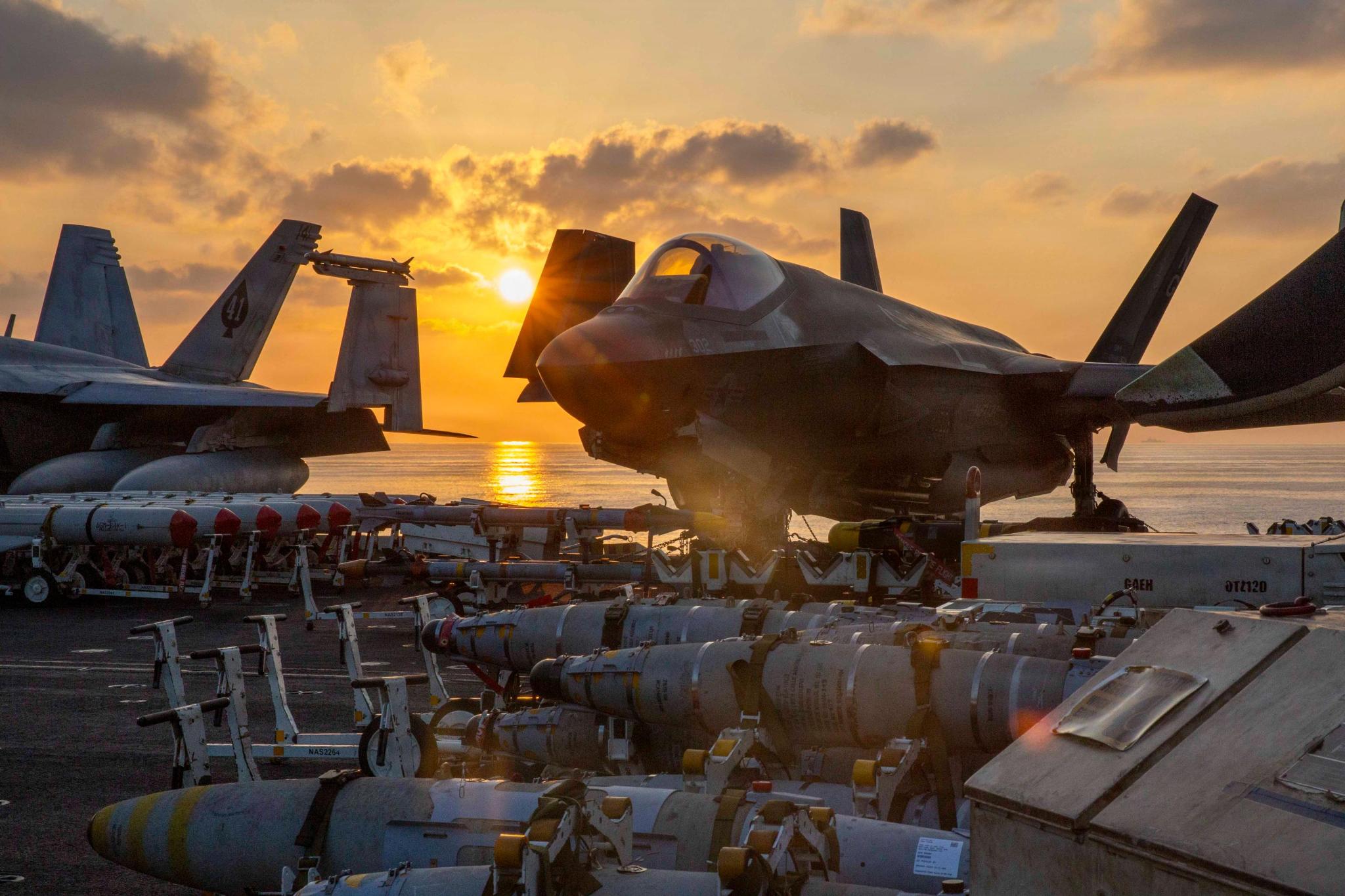
Beyond domestic politics, a temporary operational lull offers the U.S. military space to replenish depleted munitions stocks strained by months of high-intensity engagements. Reuters previously reported in August that armed forces had consumed “nearly all” stockpiles of specific precision missile classes. A report in The Washington Post similarly revealed that the chiefs of the Army, Navy, and Air Force warned Defense Secretary Pete Hegseth that sustaining open-ended operations is unsustainable and threatens U.S. readiness in other global theaters. The Pentagon, for its part, maintained that forces possess everything necessary to execute operational mandates.
 2+
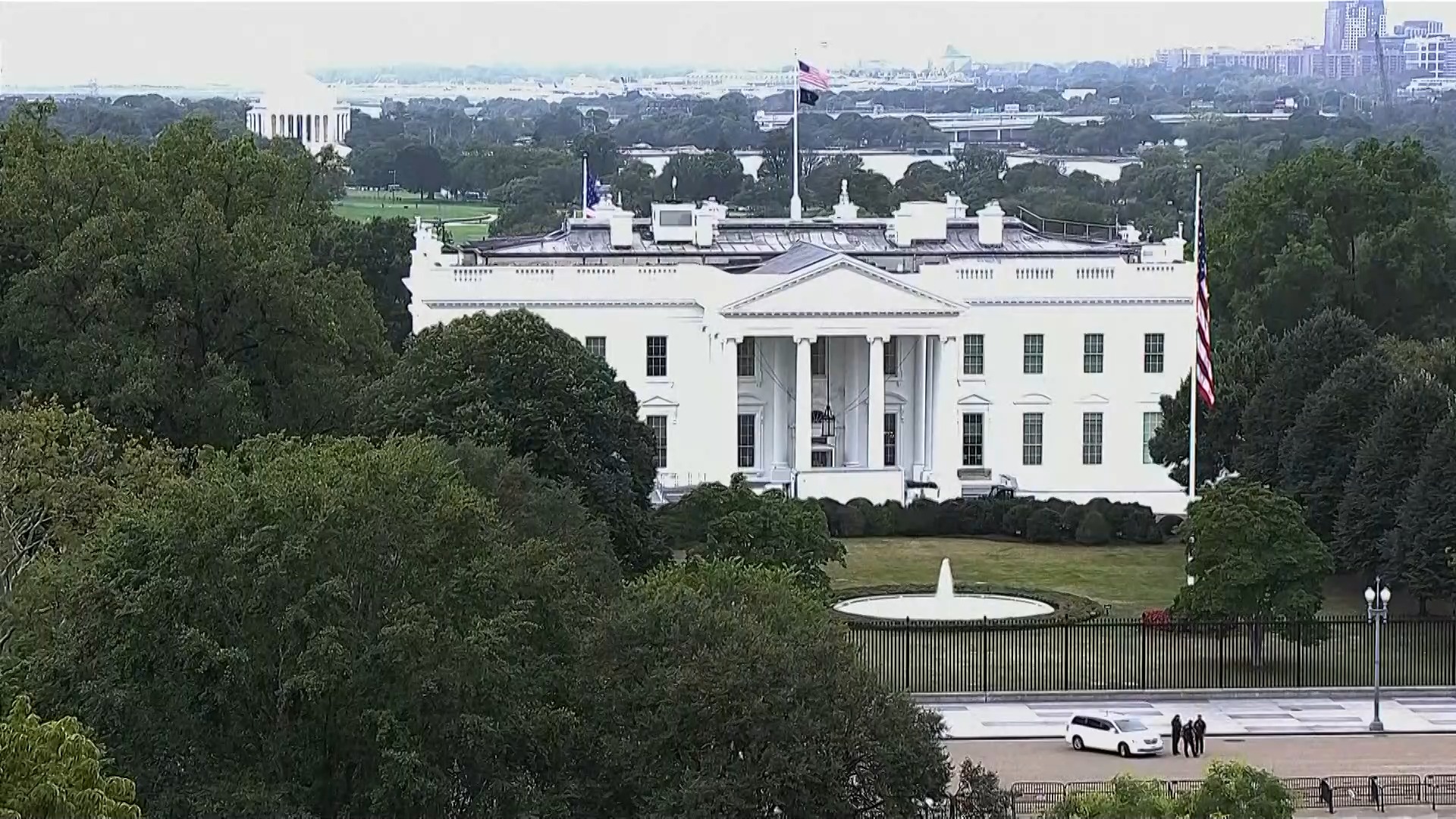
2+White House Press Secretary Olivia Wells dismissed assertions that the U.S. had been degraded by sustained fighting, arguing that Trump had “destroyed Iran’s military capabilities” and is now crippling what remains of its economy through a naval blockade and strict sanctions. Meanwhile, officials have stepped up efforts to diplomatically isolate Tehran, threatening secondary sanctions against foreign nations that continue bilateral trade. However, incomplete compliance from China and other major powers continues to complicate efforts to force Iran back to negotiations.
Two White House officials confirmed to Reuters that Vice President J.D. Vance and Secretary of State Marco Rubio are among the key administration leaders advocating to keep the conflict contained until November. Even so, officials concede that tactical actions on the ground could instantly upend the plan: a major Iranian strike on U.S. bases, commercial shipping, energy infrastructure, or Gulf allies would compel direct retaliation.
“The timeline has changed,” one senior White House official told Reuters, while another concluded: “The calendar is driving Iran policy.”